The ideas below mix cotton voile and linen-cotton pieces with a few that ask for their own budget, where natural fibers outperform polyester for breathability and drape.
What decides which look is yours is height more than body type: women between 5’2" and 5’6" need that seam or drawstring at the natural waist, while anyone shorter than 5’4" should look for a robe that hits mid-thigh over higher-waisted jeans.
For the cropped leather jacket, lambskin wins over cowhide; the softer drape matters more than durability when you are trying to keep ruffles out of costume territory.
1. Flowy Maxi Dresses
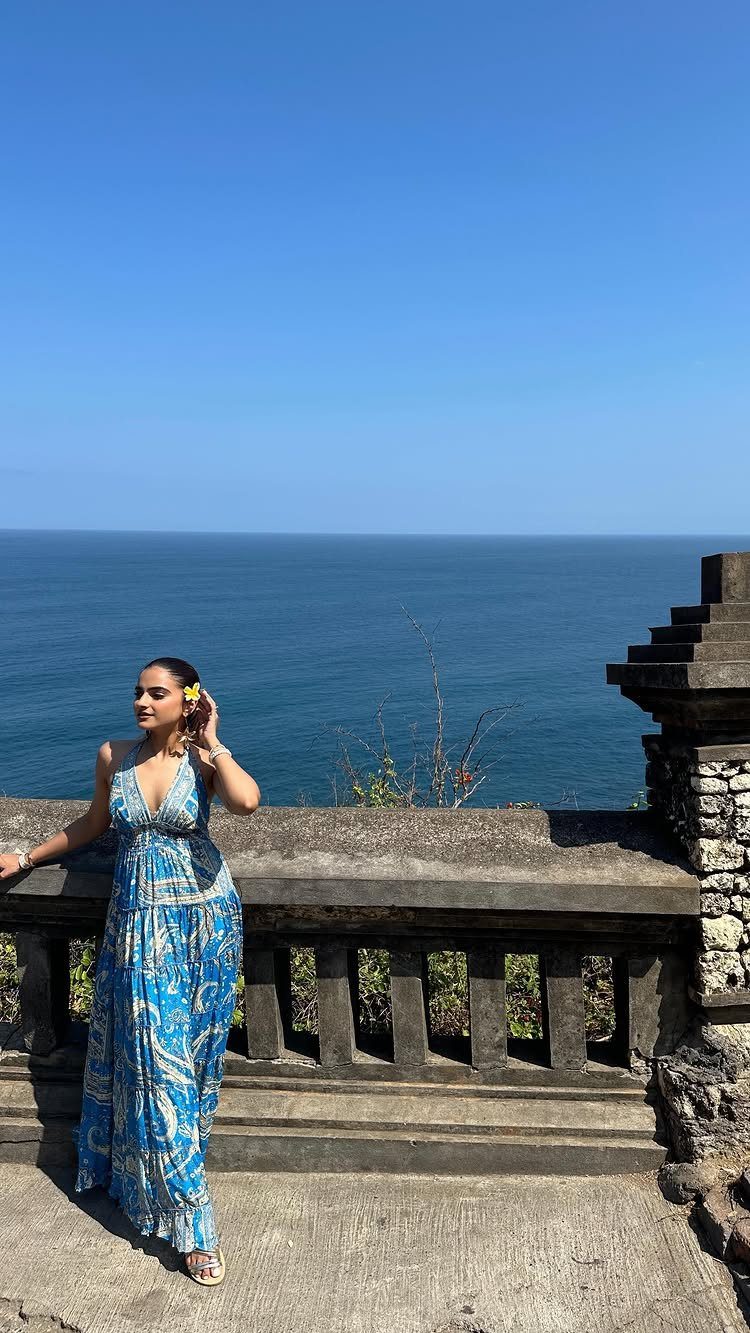
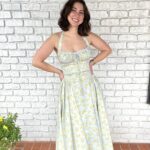
A halter maxi in a dark paisley reads more intentional than the same print in a sundress cut. The neckline keeps it from looking like resort wear, and the length works with flat sandals or a low wedge without dragging.
For women between 5’2" and 5’6", I look for a seam or drawstring at the natural waist rather than an empire line; the latter adds volume where you may not want it.
Cotton voile or a rayon blend breathes better than polyester and falls more cleanly.
2. Wide-leg Trousers
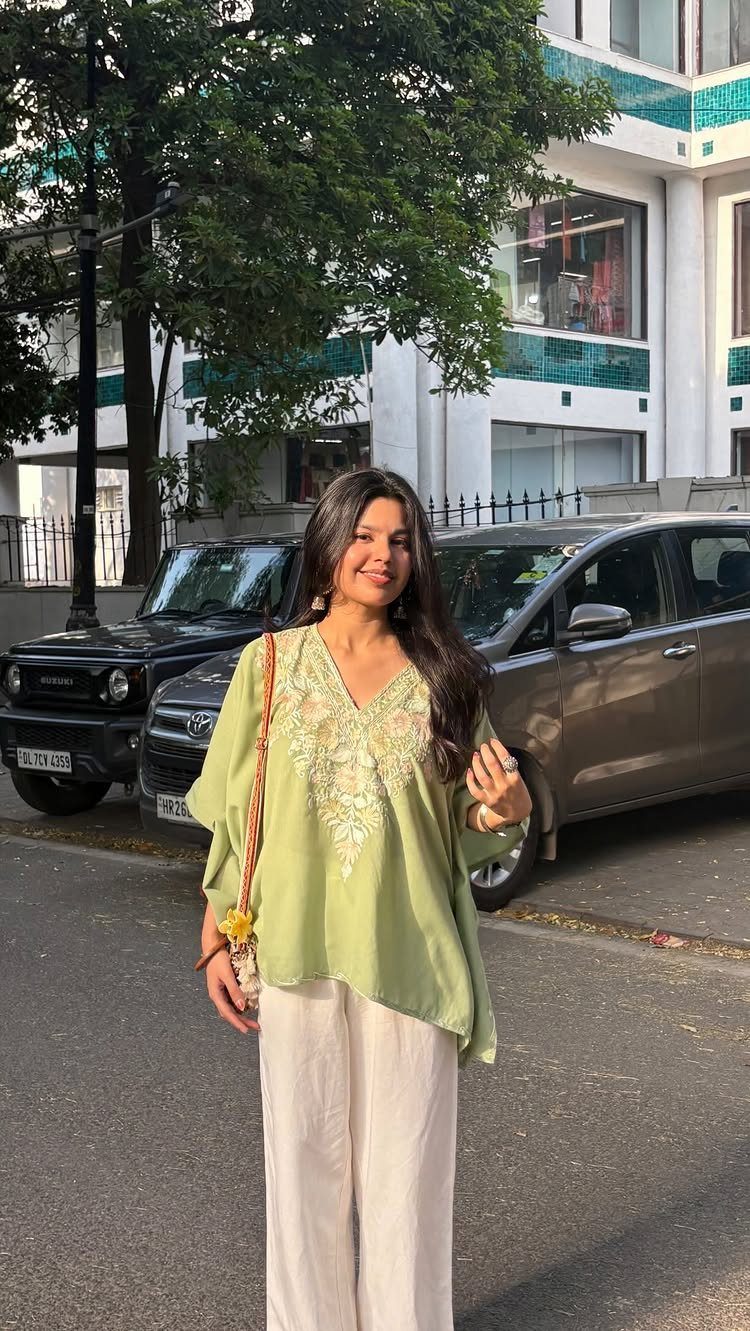
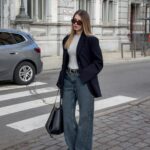
Trousers this wide need fabric with real weight; linen or a linen-cotton mix holds the shape instead of collapsing at the ankles.
A high waist on wide-leg trousers lets a tucked or cropped top balance the volume without needing a belt.
I would wear this with a fitted tunic for work or a tank and layered necklaces on weekends. The white reads fresh in summer, though it asks for nude underpinnings rather than white, which always shows through.
3. Layered Accessories
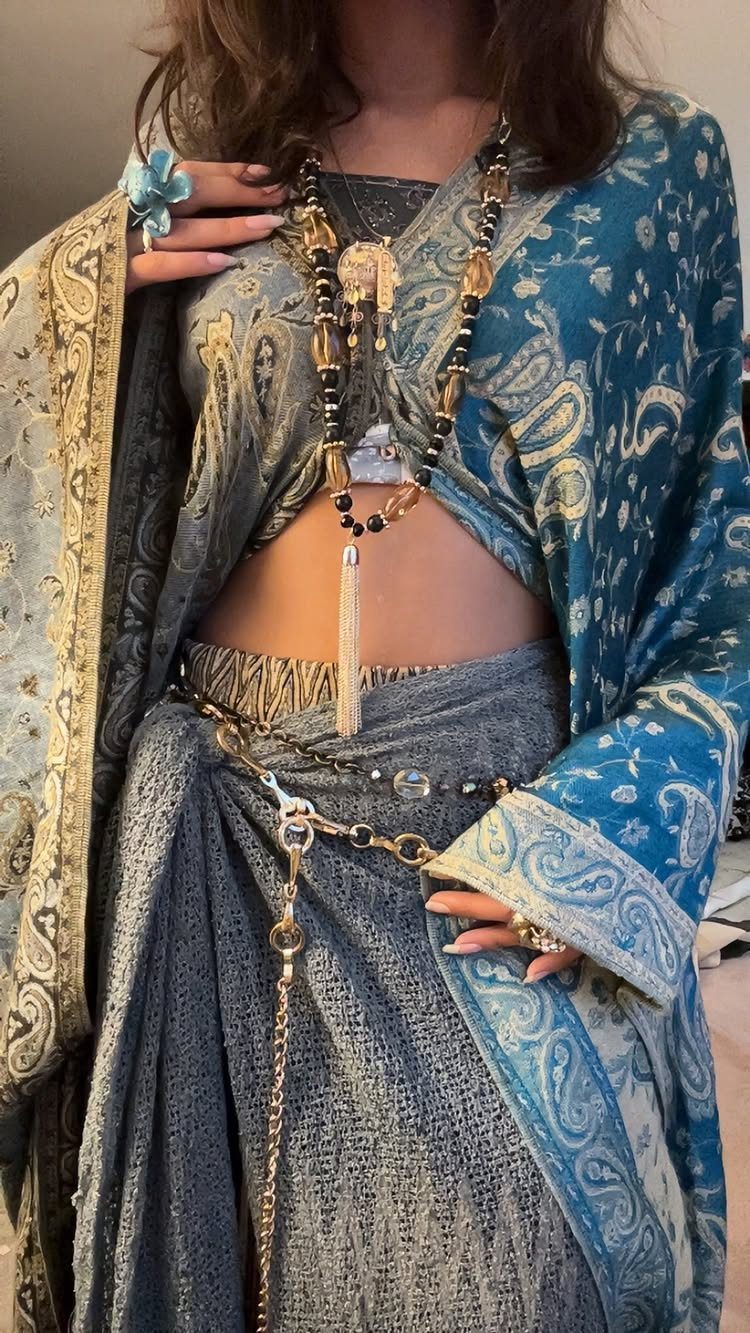
Three necklaces minimum, in my view, and at least two metals mixed; all silver reads too uniform for boho.
The waist chain sits at the high hip or just above, never at the natural waist where it competes with a belt.
Beads, coins, and a single pendant at staggered lengths keep the eye moving. I avoid anything that tangles when I sit; a magnetic clasp on the shortest strand saves time.
The look works with a patterned piece underneath, like a blue paisley robe, since the necklaces sit over it rather than competing with bare skin alone.
4. Kimonos
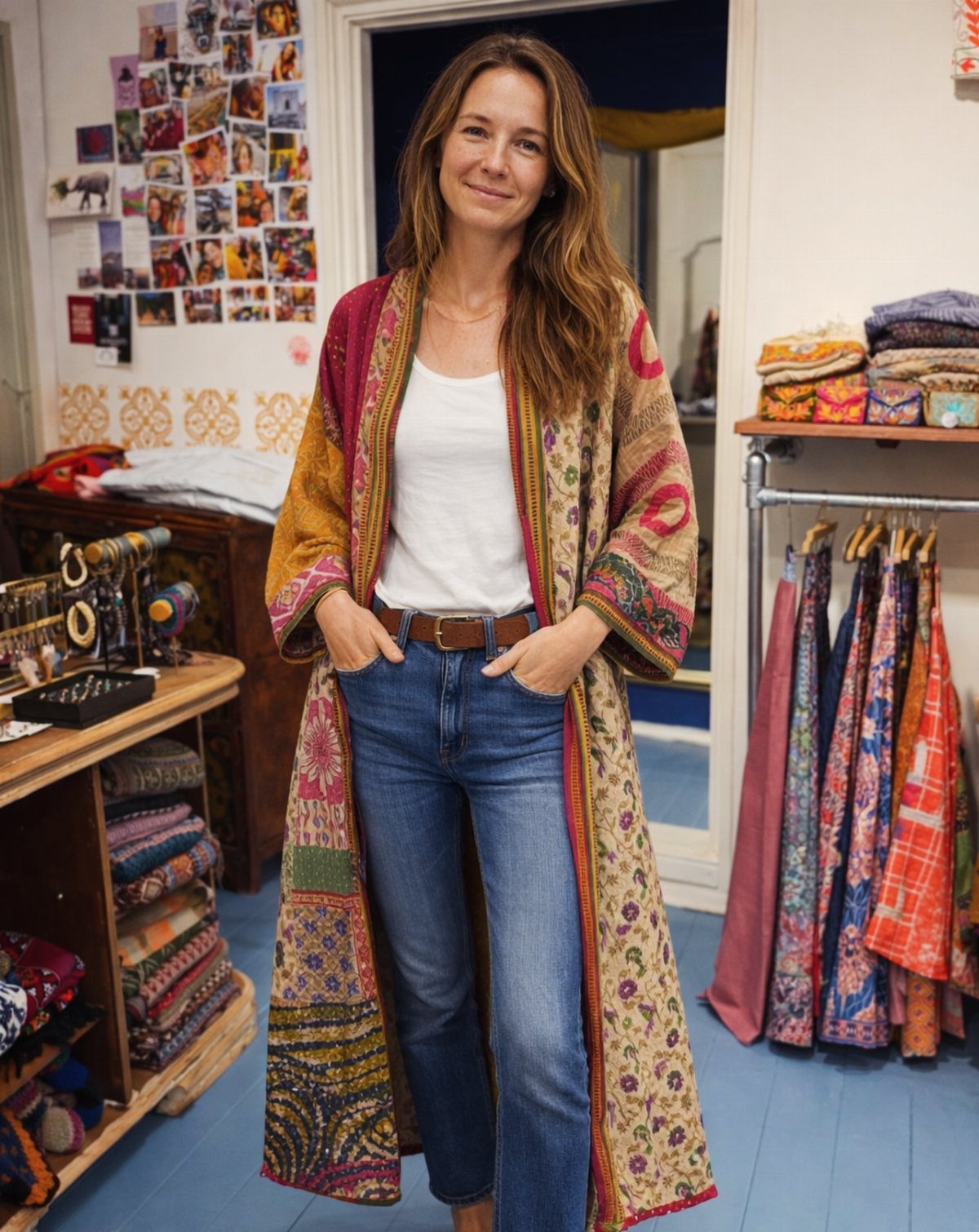
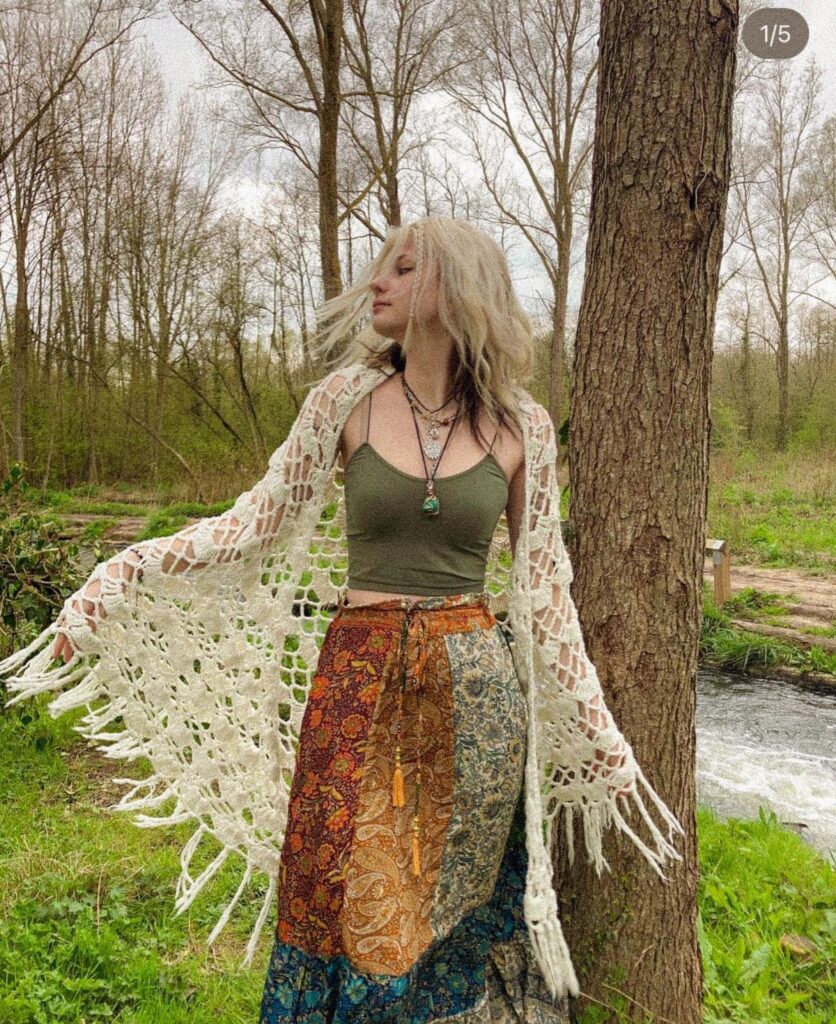
A duster-length kimono turns a tank and jeans into an outfit with almost no effort. The patchwork here works because the tones share a warmth; a cooler mix would need deliberate anchoring underneath.
I size up if I plan to wear it closed, though I rarely do.
A belt over the top gives shape without letting the kimono read as a robe. For travel, this is the piece that redeems a worn-out white tee and the only jeans I packed.
5. Graphic Tees
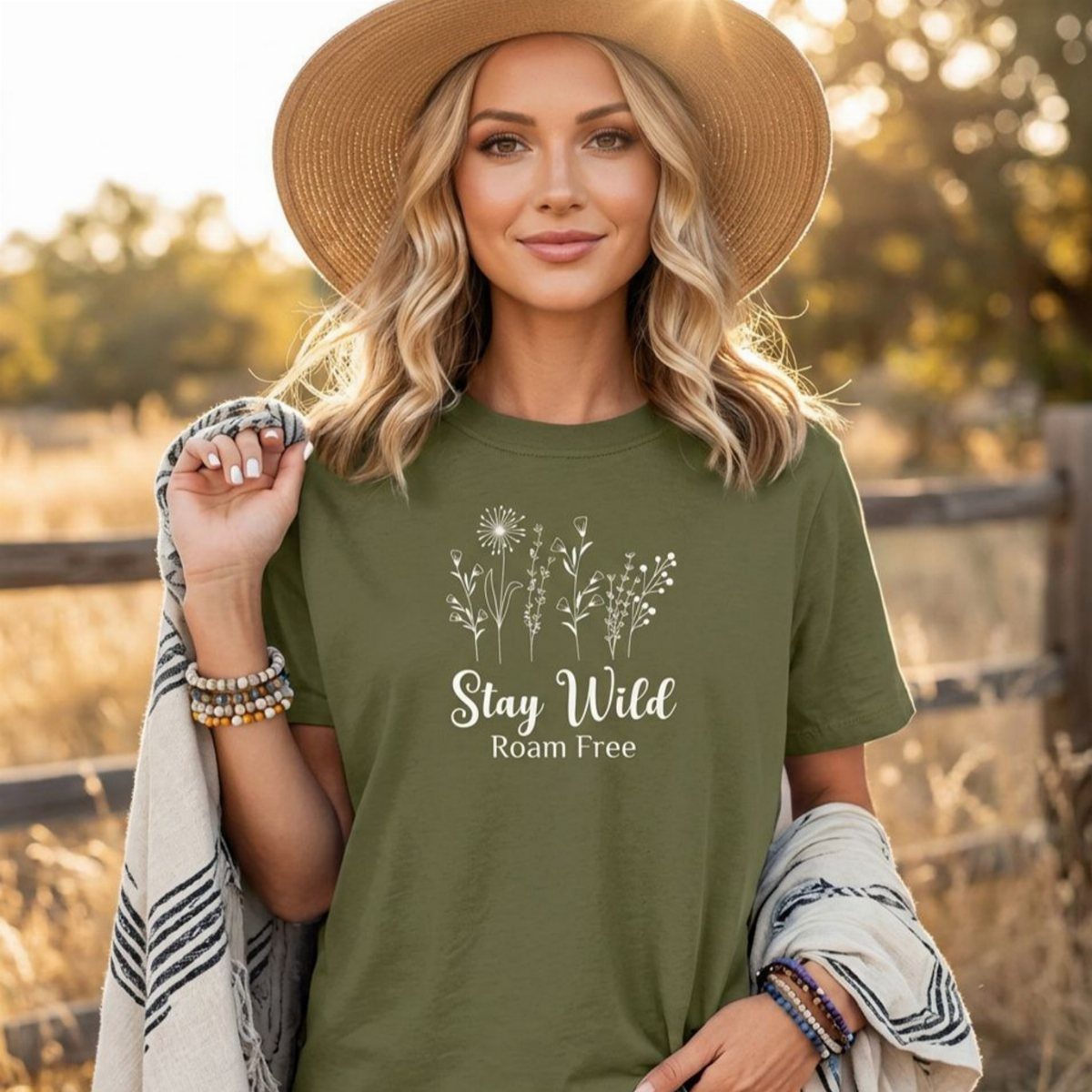
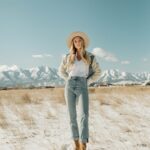
Olive grounds and small florals keep a slogan tee on the right side of twee; loud fonts and neon colors usually push it over. A straw hat in matching tone completes the look without adding another color to manage.
I would tuck this into a high-waisted skirt or wear it loose over cutoffs; the standard length here is versatile enough to work either way.
Graphic tees in this style should bring a heavier cotton or a cut that does not twist in the wash; lighter fabric at a higher price is not worth it to me.
6. Maxi Skirts
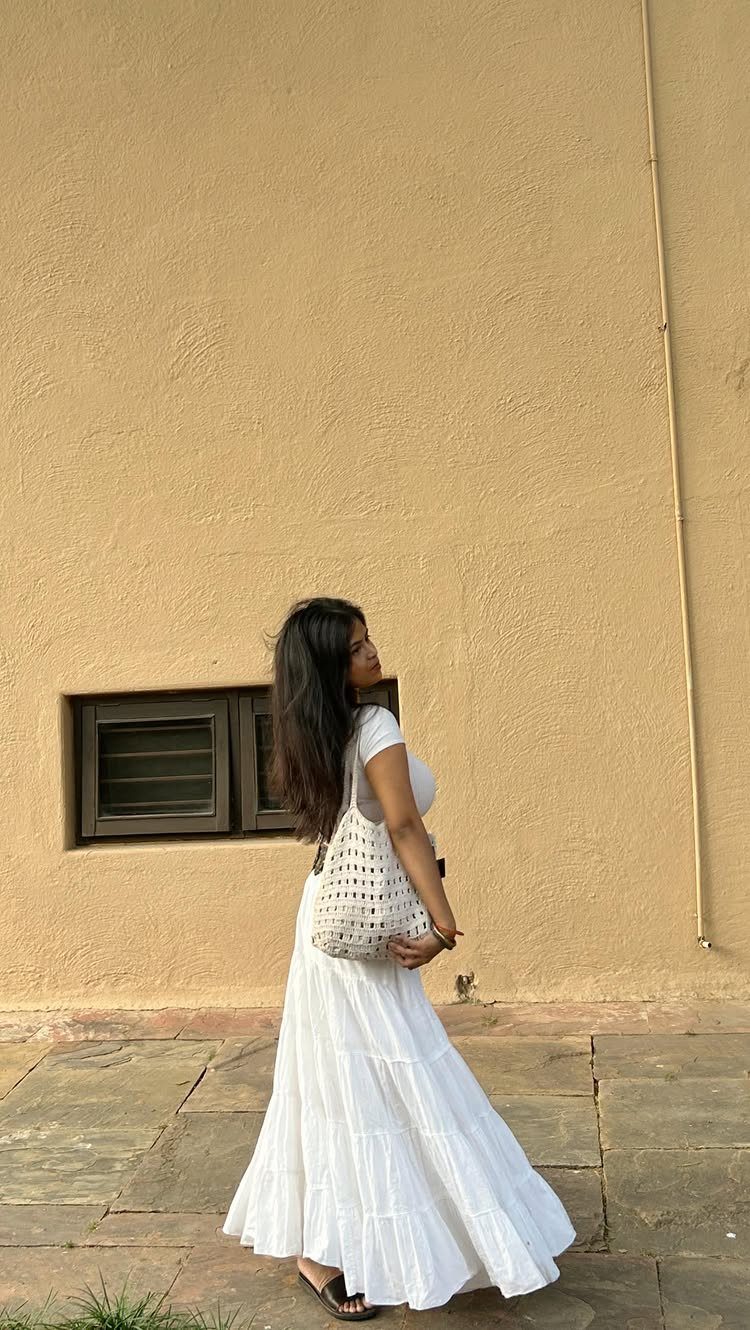
Tiered volume from hip to hem flatters more women than a straight column, which can read as a tent. The all-white version here needs texture to survive; eyelet, gauze, or a crinkled cotton keeps it from looking like undergarments.
I carry a bag with some structure against this much softness; woven leather or straw does the job better than slouchy canvas.
For petites, I check that the top tier starts no lower than mid-hip, or the proportions flatten. Sandals with a slight platform keep the hem from grazing the ground.
7. Festival Outfits
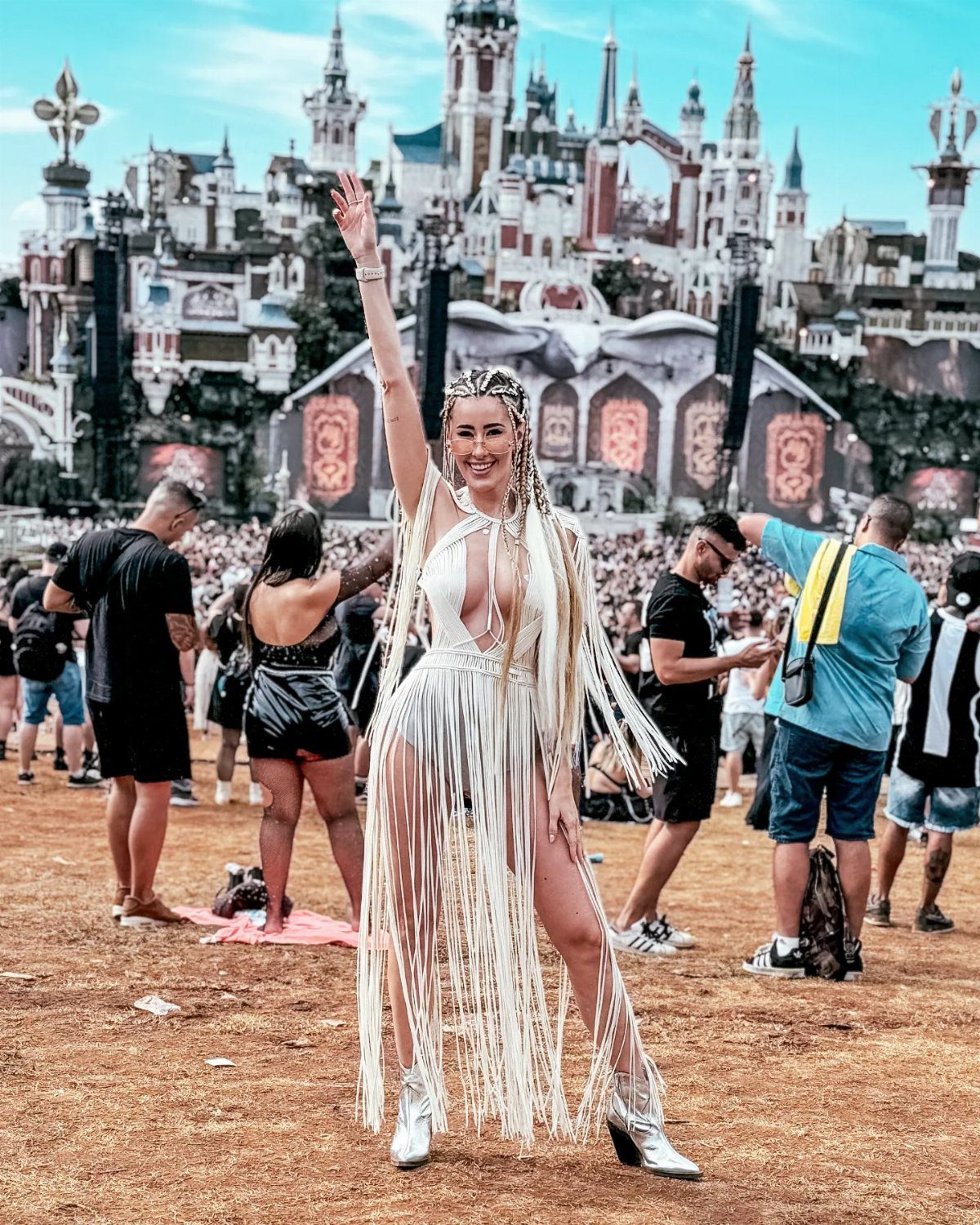
Fringe on a bodysuit moves with you in a crowd without the wind risk of a skirt. White keeps it from reading costume, and the silver boots pick up stage light after dark.
I would add a small crossbody worn high; hands free matters more than a belt bag once you are in a crowd.
A bodysuit base means no retucking between sets, which is the practical reason to choose it over a fringe top.
8. Leather Jacket and Ruffled Blouse
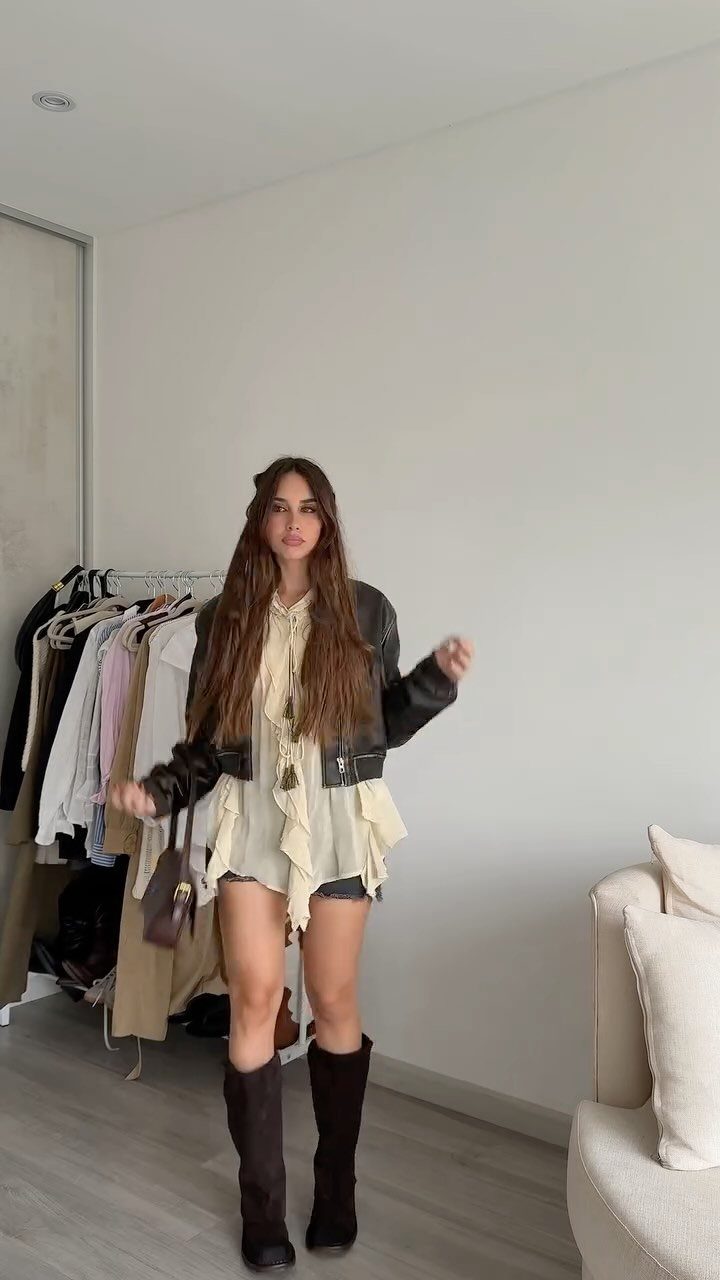
A cropped leather jacket keeps the ruffles from floating too far into romance territory. The cream here warms against black; stark white would need more makeup or it washes most complexions out.
Shorts and tall boots extend the season into early fall, though I swap the boots for ankle ones once the afternoon stays hot enough for bare legs.
The jacket weight matters: lambskin drapes softer than cowhide for this pairing, but it scuffs faster against chair backs.
9. Denim Vest and Long Skirt
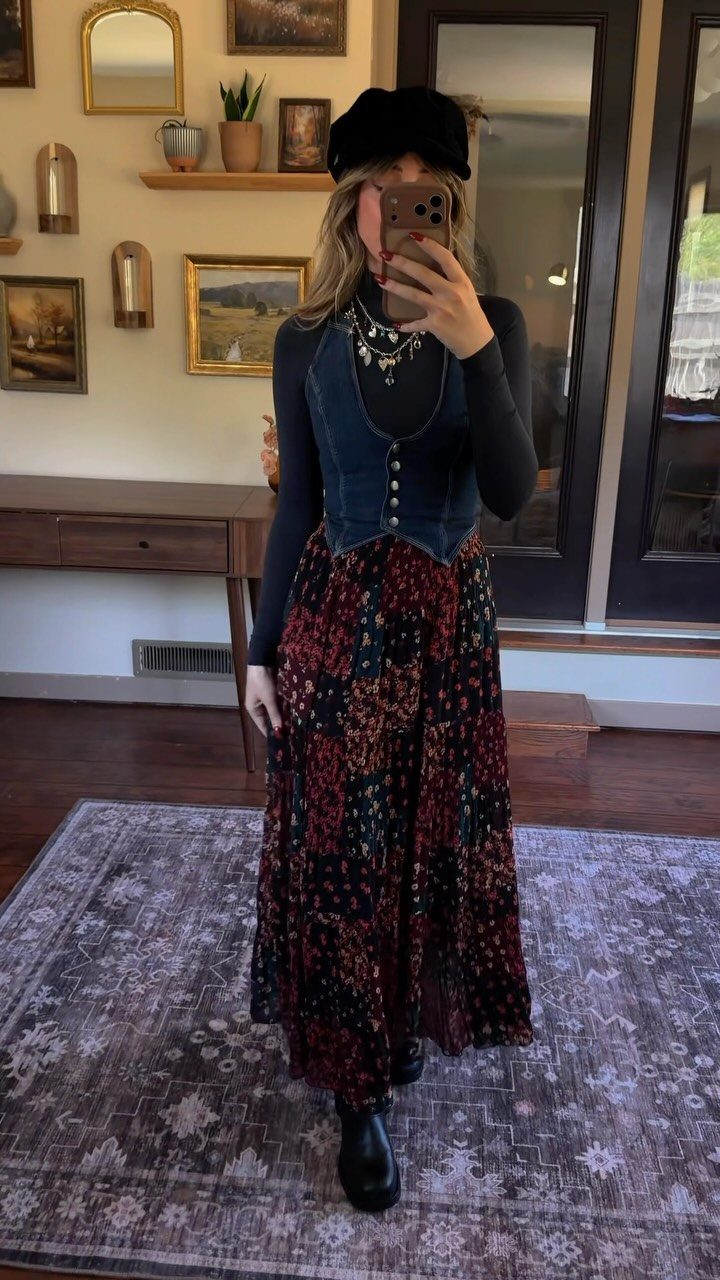
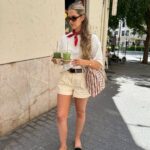
A fitted denim vest gives structure to a long skirt without the heat of a full jacket. The black layer underneath keeps the eye moving up; a colored top would fight the patchwork.
The beret is doing more work than it gets credit for; without it, this reads casual rather than styled.
I would check that the vest ends at the natural waist, or the proportions turn blocky. Boots with a low heel keep the hem from sweeping coffee shop floors.
10. Velvet Floral Robe with Jeans
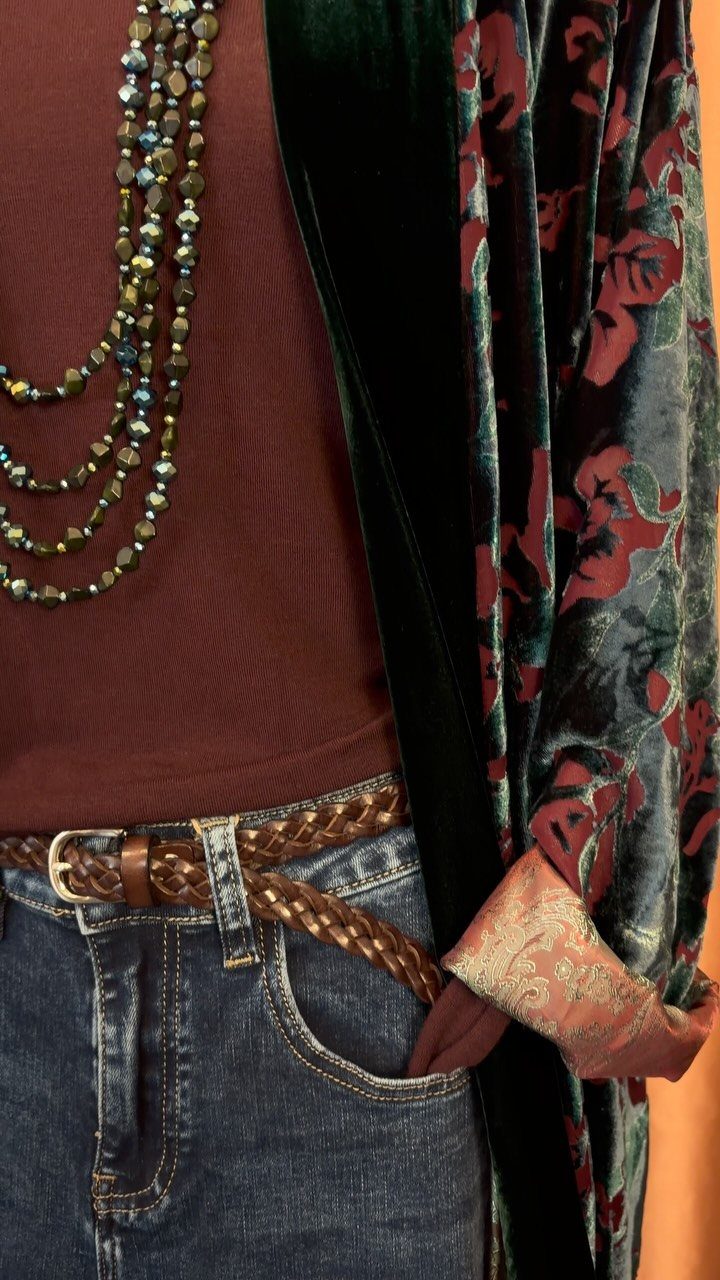
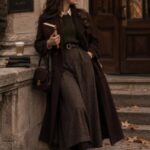
Velvet in daylight needs the casual anchor of jeans; worn with a matching bottom it turns theatrical fast. The braided belt breaks the vertical line so the robe does not read as a dress.
I would keep the necklaces in wood or leather rather than metal; silver or gold competes with the velvet sheen.
A robe this length works best on women 5’4" and above; on a shorter frame, I would look for one that hits mid-thigh over a higher-waisted jean.
Boho Style Characteristics
Relaxed silhouettes are the backbone, but the difference between boho and plain oversized is in the materials. Cotton voile, linen, rayon blends, and crochet carry the look; polyester in the same cut reads inexpensive and traps heat.
Earthy tones ground the prints: rust, cream, olive, brown.
A floral in neon or jewel tones shifts the same dress toward a different aesthetic entirely. Natural textures like suede, straw, and wood in accessories keep the palette from flattening into a single note.
Artistic details work best when one dominates.
Fringe, lace, patchwork, or a bold print: choose one per outfit and let the rest stay simple. 2 competing statements and the eye has nowhere to rest.
Mixing and Layering
One statement texture or print paired with simpler basics keeps relaxed styling from looking accidental. A fringe kimono over a plain tank and jeans earns its place; the same kimono over a patterned skirt and chunky knit turns busy.
Layering order matters for heat and line. Cardigans and dusters work open; closed, they need a belt or a defined waist underneath to avoid a tent effect.
Earthy tones mix more forgivingly than saturated ones.
Rust with cream, olive with brown: these combinations hold together without matching. Lace tops under suede or leather jackets give contrast in weight; both pieces read more expensive for the pairing.
Occasions for Boho Outfits
The same pieces move across settings with small adjustments. A flowy maxi dress in dark paisley works for brunch with flat sandals and layered necklaces; add a cropped leather jacket and it holds for evening.
Beach vacations favor the lightest weights: gauze, eyelet, crinkled cotton. These fabrics look intentional in a resort setting where heavier material would read as luggage miscalculation.
Office settings require the most editing.
A fitted tunic with wide-leg trousers in linen-cotton mix passes in creative environments; fringe, visible lace, and multiple necklaces do not. The waist chain and stacked bracelets stay in the jewelry case.
Festivals are where the rules loosen, though practicality still applies.
Crossbody bags worn high keep hands free; bodysuit bases eliminate retucking. White and silver read as modern rather than costume against the expected overload of color and pattern.
Frequently Asked Questions
What is a boho style outfit?
Think of boho as loose shapes cut from breathable cloth: cotton voile, linen, or a soft rayon blend, with one handmade-looking detail that catches the eye, fringe along a sleeve, a panel of lace, patchwork at the hem, or a print that looks block-printed rather than digitally rendered.
Rust, cream, olive, and brown do the heavy lifting for color, and accessories in suede, straw, or unfinished wood add enough texture that the outfit never looks washed-out.
The same oversized shape in polyester looks cheap and wears hot; the fabric is what separates boho from a shapeless sack.
How to dress boho over 50?
A fitted tunic over wide-leg linen trousers, or a maxi dress with an actual waist seam rather than an empire line, gives the body a shape without sacrificing comfort.
A cropped leather jacket over a ruffled blouse adds edge without drifting into overly romantic territory.
I would avoid neon or jewel-toned florals, which shift the aesthetic away from boho; stick to earthy tones like rust, cream, and olive that mix forgivingly and read timeless.