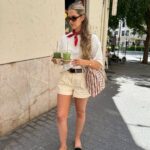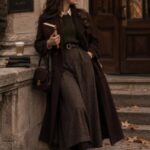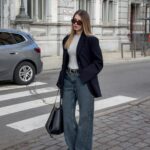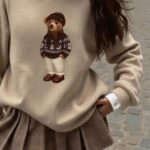
These 22 outfits range from a satin slip dress in a pastel with a contrasting cardigan to wide-leg black trousers with a voluminous maroon button-down, so the silhouette you’re drawn to is really what decides which ones belong in your rotation.
Slightly undone styling, a half-tuck, a loosely knotted sweater, carries the whole decade’s feeling as much as any single piece does.
1. 90s Midi Skirts
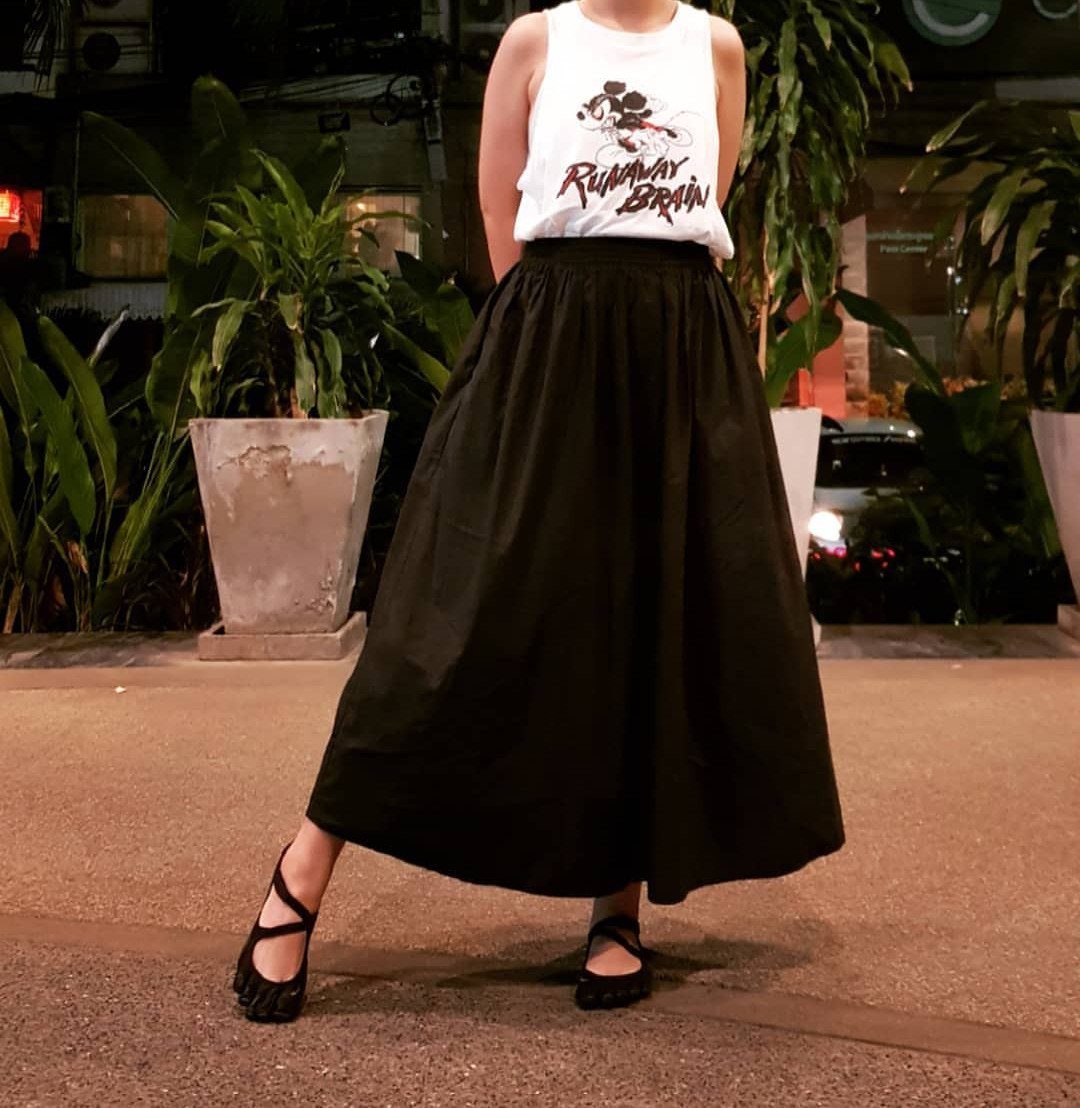
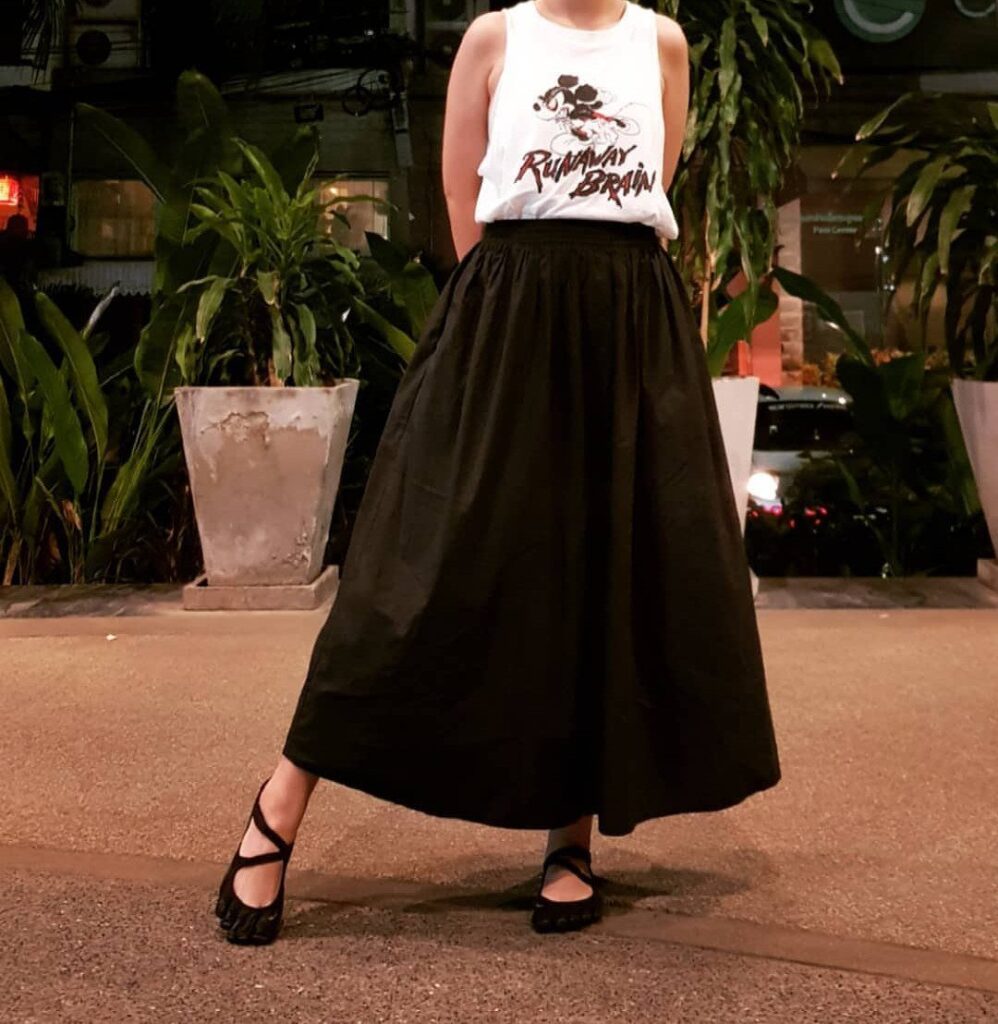
A black midi skirt with a simple graphic tank is about as pure a 90s casual formula as it gets.
The proportions do the work: a longer hem reads relaxed rather than dressy when the top is cropped or fitted, and strappy sandals or flat slides keep it from sliding into office territory.
Any solid or text-print tank you already own will work here.
2. Pencil Skirt
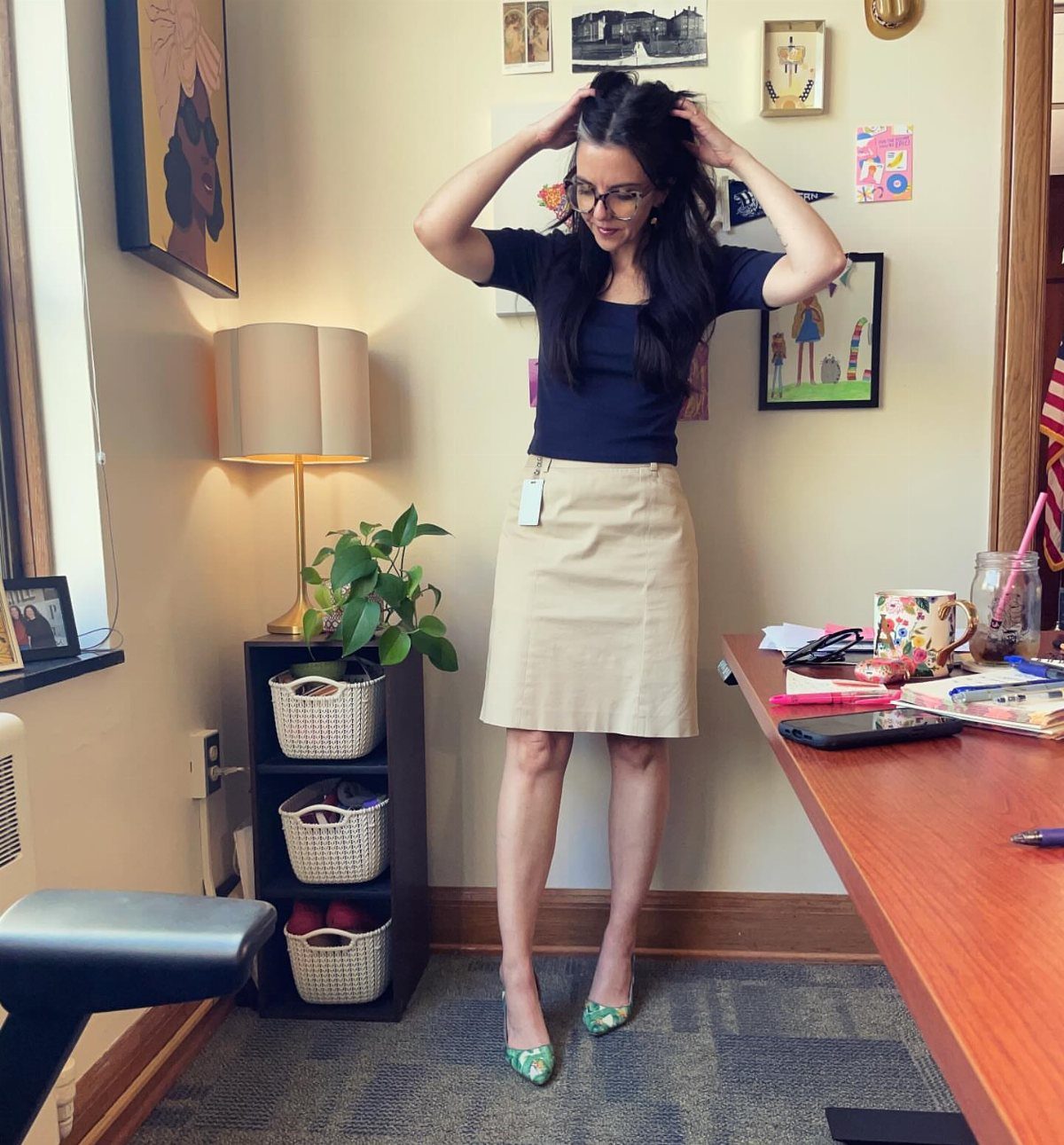
Pencil skirts never really left, but the 90s version wore them casually, paired with a plain tee or a simple knit rather than a blazer.
A tan or camel pencil skirt gives you the most mileage, since it reads neutral against almost any top color.
Kitten heels or a low block heel fit the era better than stilettos if you want to stay true to the decade.
3. Slip Dress
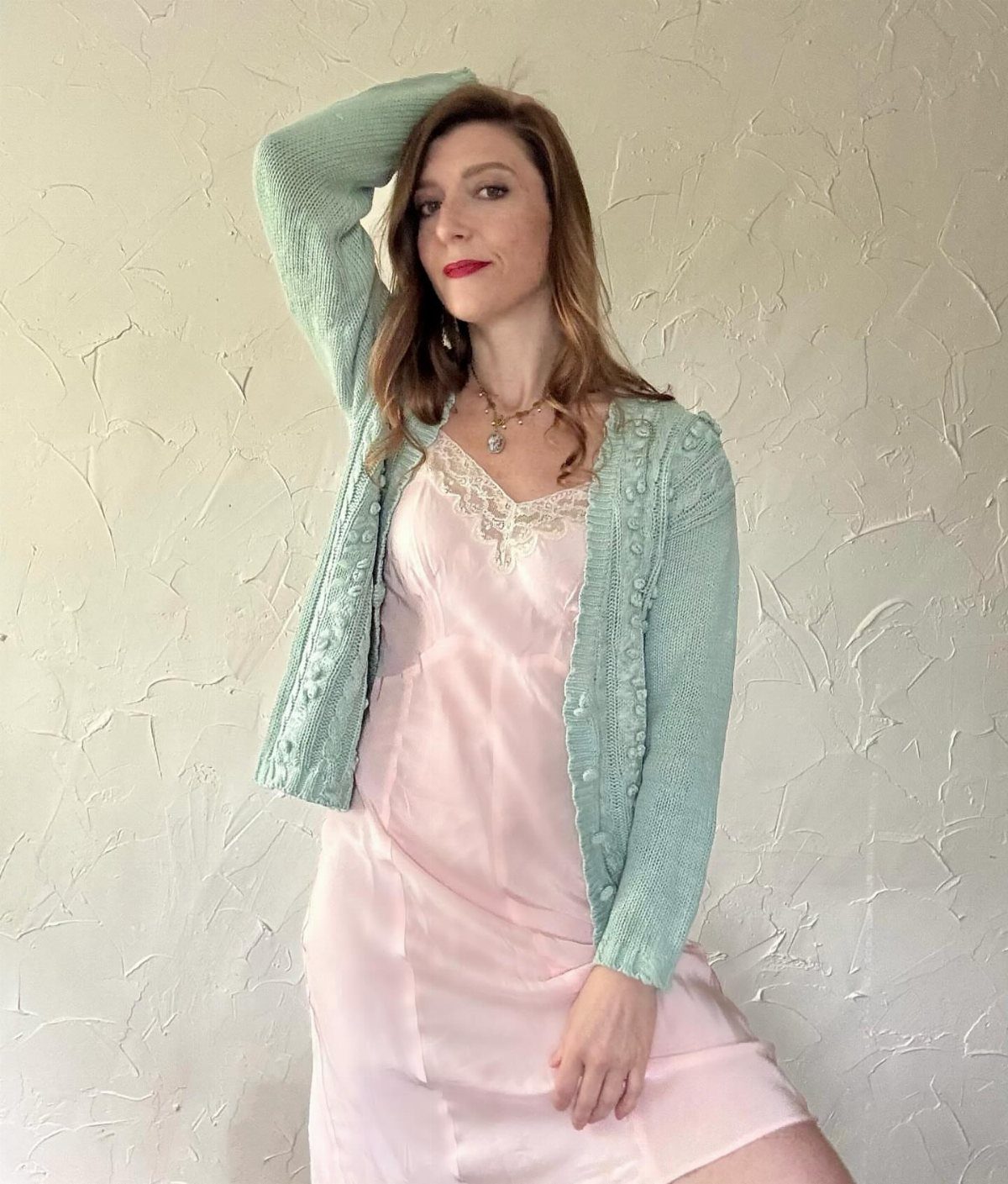
Satin slip dresses hit their peak in the mid-90s, and the styling trick that made them wearable then still works now: layer a fitted cardigan over the top half.
The cardigan softens the formality of the satin without hiding the dress. A pastel slip with a contrasting knit, like pink against green, gives you the full look without hunting for an exact match.
4. Mom Jeans
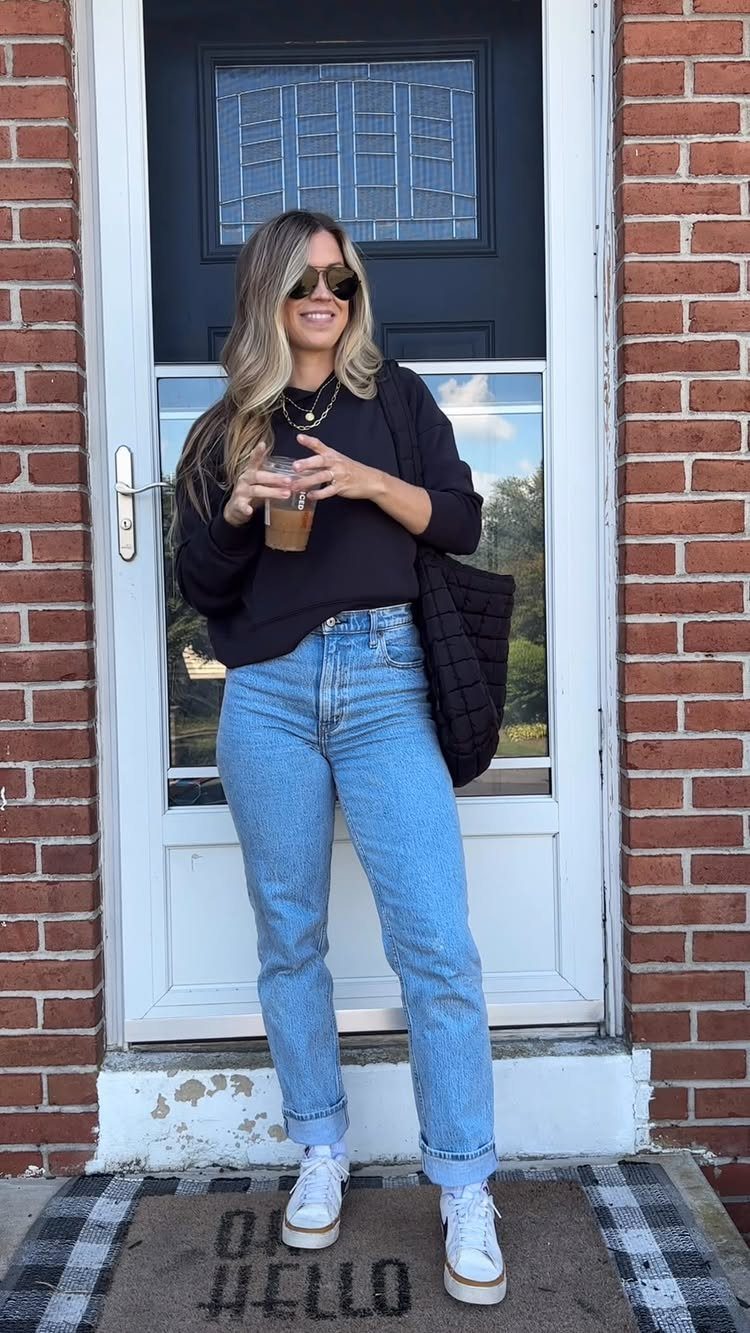
High-waisted, straight-leg jeans in a light wash are the item most people actually picture when they hear "90s casual," and a black crewneck sweatshirt is probably the most common thing they were worn with.
White sneakers land this in the present without losing the decade. The fit through the hip and thigh should be relaxed, not slim, or the silhouette reads differently.
5. Double Denim
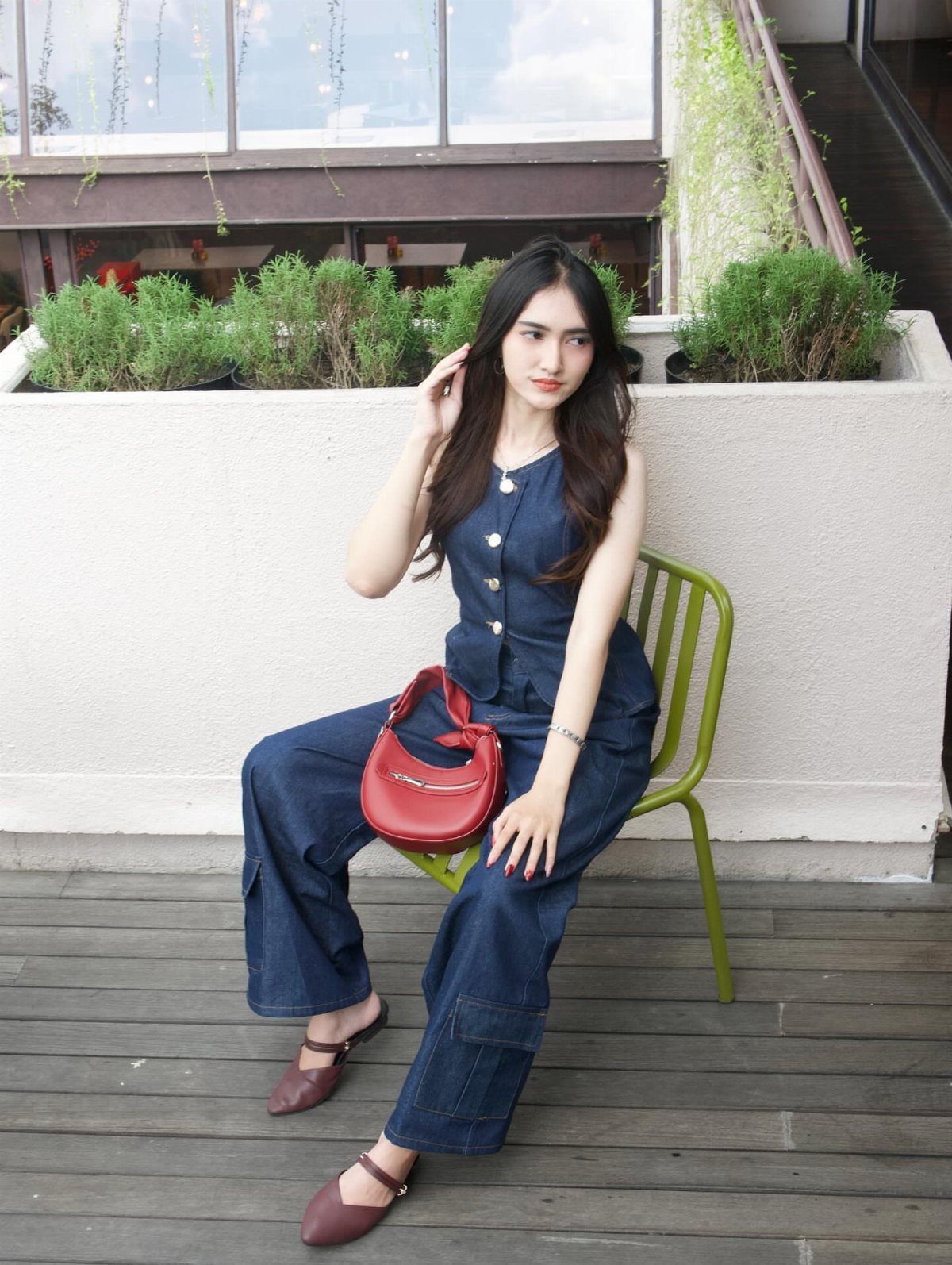
Matching denim separates, what people used to call a Canadian tuxedo worn intentionally, came back hard and shows no sign of stopping.
Wide-leg denim pants with a sleeveless denim top read more polished than a jacket-and-jeans combination because the matching wash makes it look considered.
A bag in a contrasting color, something red or tan, breaks up the monotony and keeps it from reading too uniform.
6. Denim Skirt Outfit
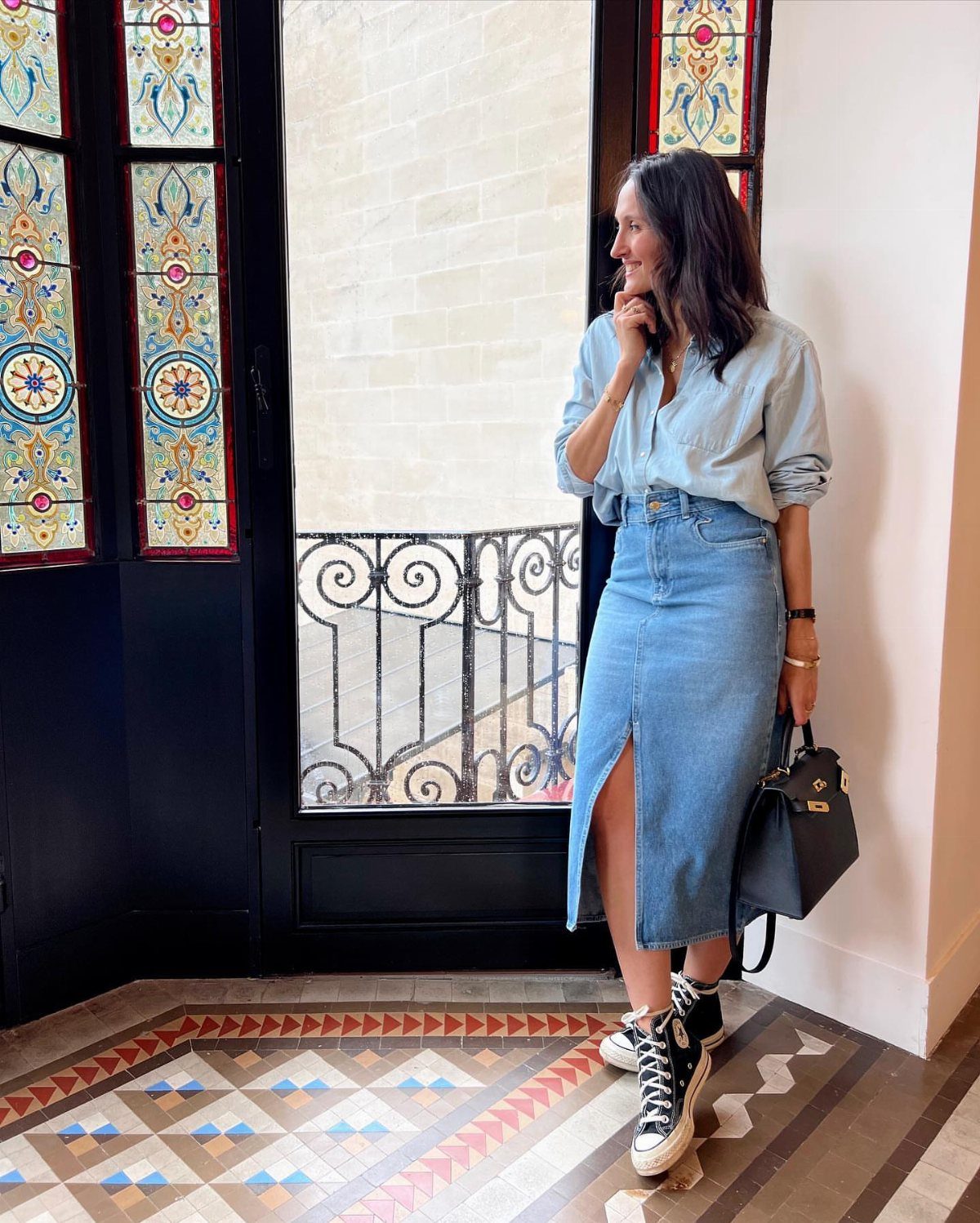
A long denim skirt with a casual button-down and high-top sneakers captures the slouchy, effortless side of 90s dressing that felt almost accidental.
Leaving the shirt untucked or half-tucked keeps the whole thing relaxed. A light-wash skirt with a chambray or light blue shirt in a slightly different wash signals deliberate denim-on-denim without the coordination of a full double-denim outfit.
7. Denim Shirtwaist Dress
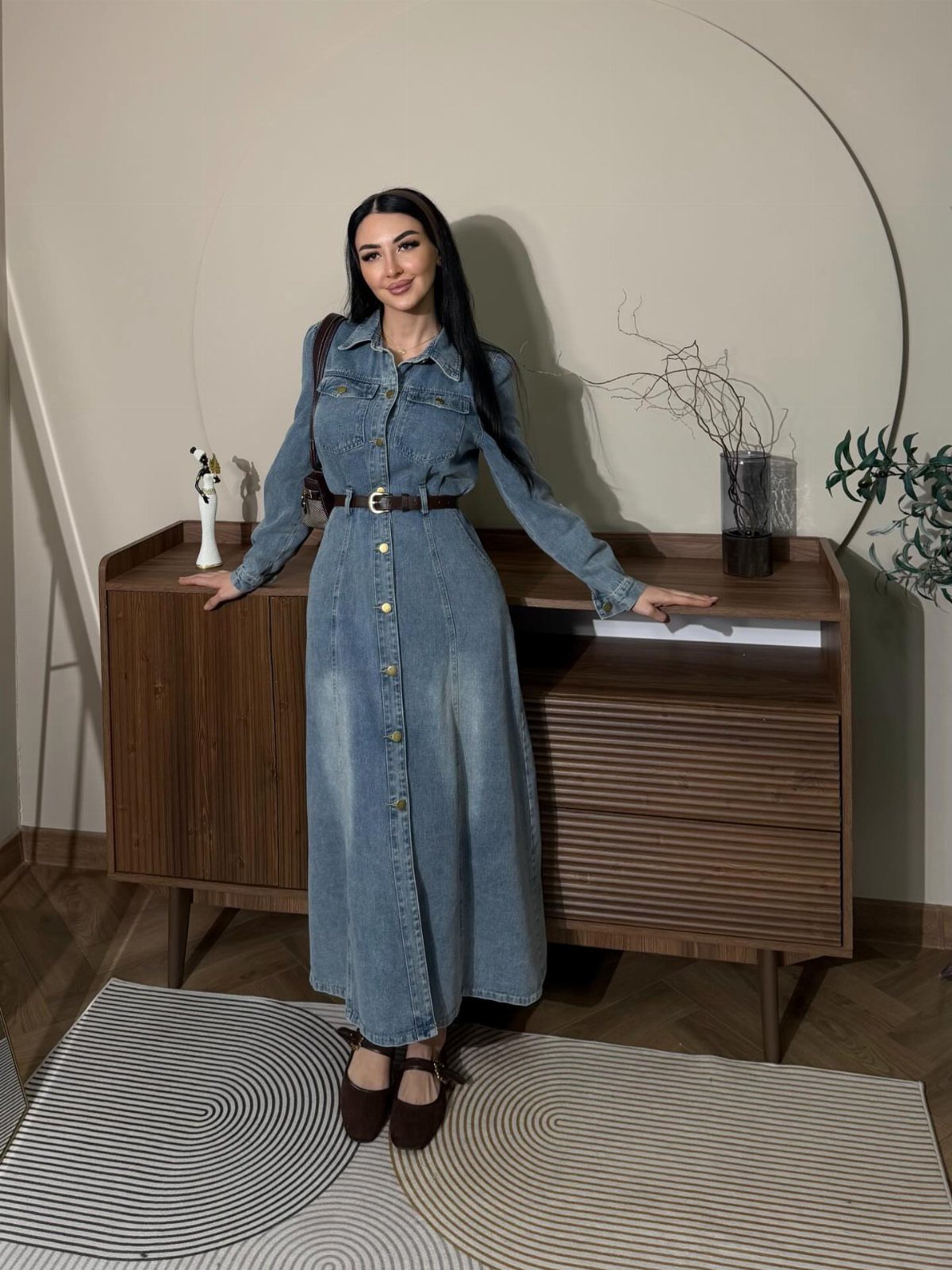
The belt is what separates a denim shirtwaist dress from a plain denim dress.
Without it, the piece reads loose and a little shapeless; cinch it at the waist and the whole silhouette sharpens. Brown shoes in a similar tone pull the look together from top to bottom.
8. Oversized Knit and Jeans
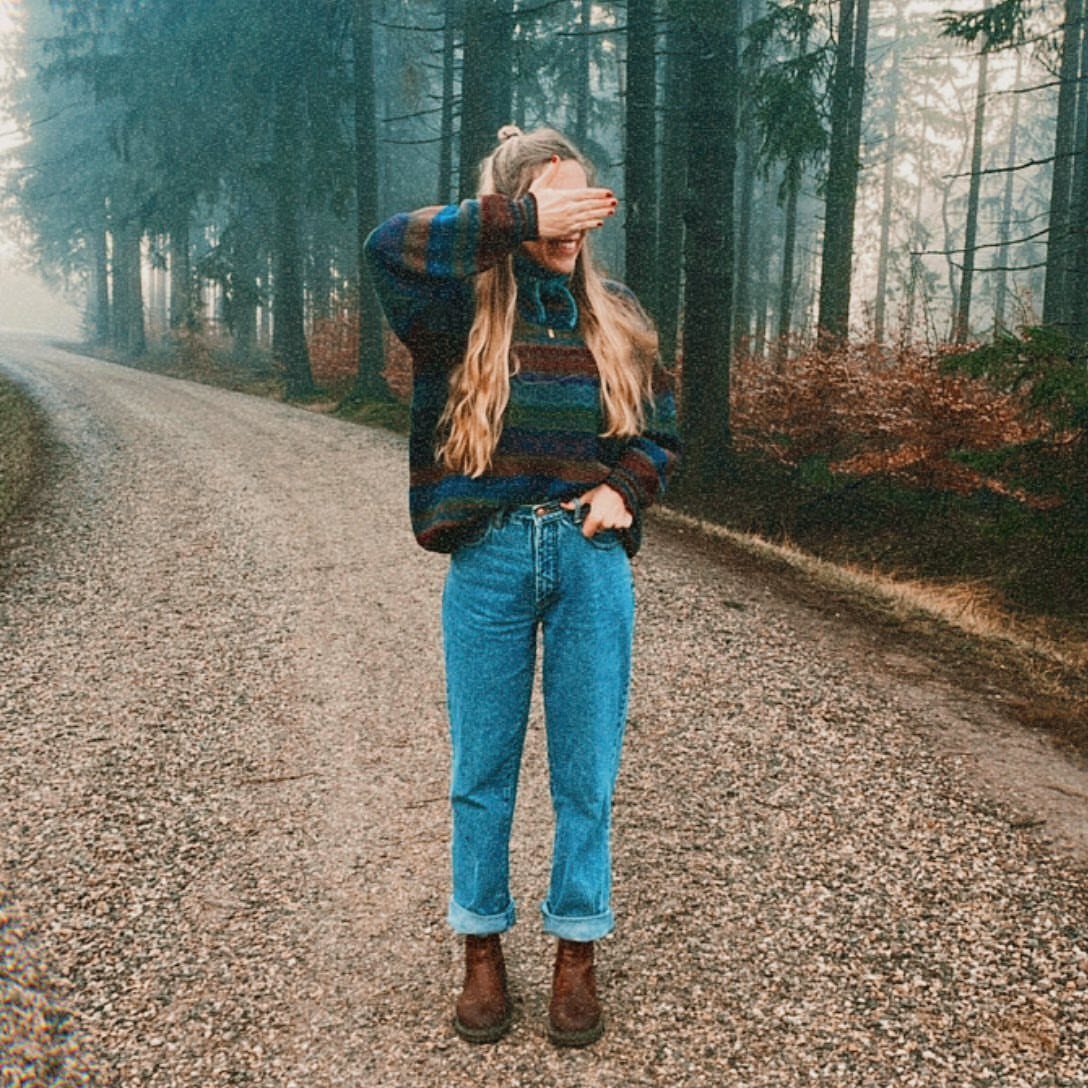
Proportions carry this outfit: the sweater is genuinely oversized, not just relaxed-fit, so the jeans need to be straight or slightly tapered to keep the silhouette readable.
A multi-color or striped knit gives you enough visual interest that the jeans and boots can stay simple and neutral. Brown boots rather than white sneakers push it toward the woodsy, slightly grunge side of 90s dressing.
9. Plaid Shirts
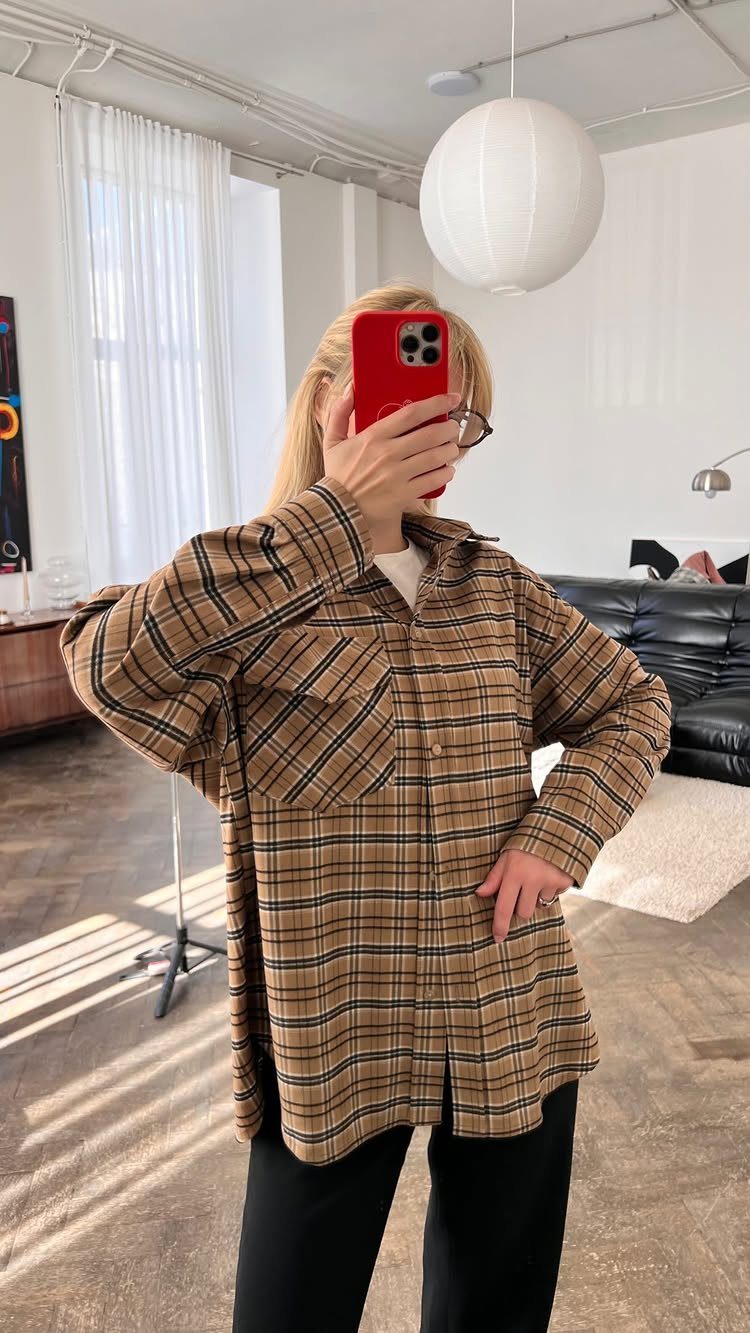
Black trousers sharpen a plaid flannel in a way that dark jeans don’t quite manage, which is worth noting if you’re reaching for that shirt on a day that calls for something slightly more pulled together.
Wearing it oversized and untucked keeps the casualness intact. Brown or tan plaid reads warmer and less grunge-coded than the classic red-and-black, if you want the 90s reference without the full flannel uniform.
10. 90s Blazers
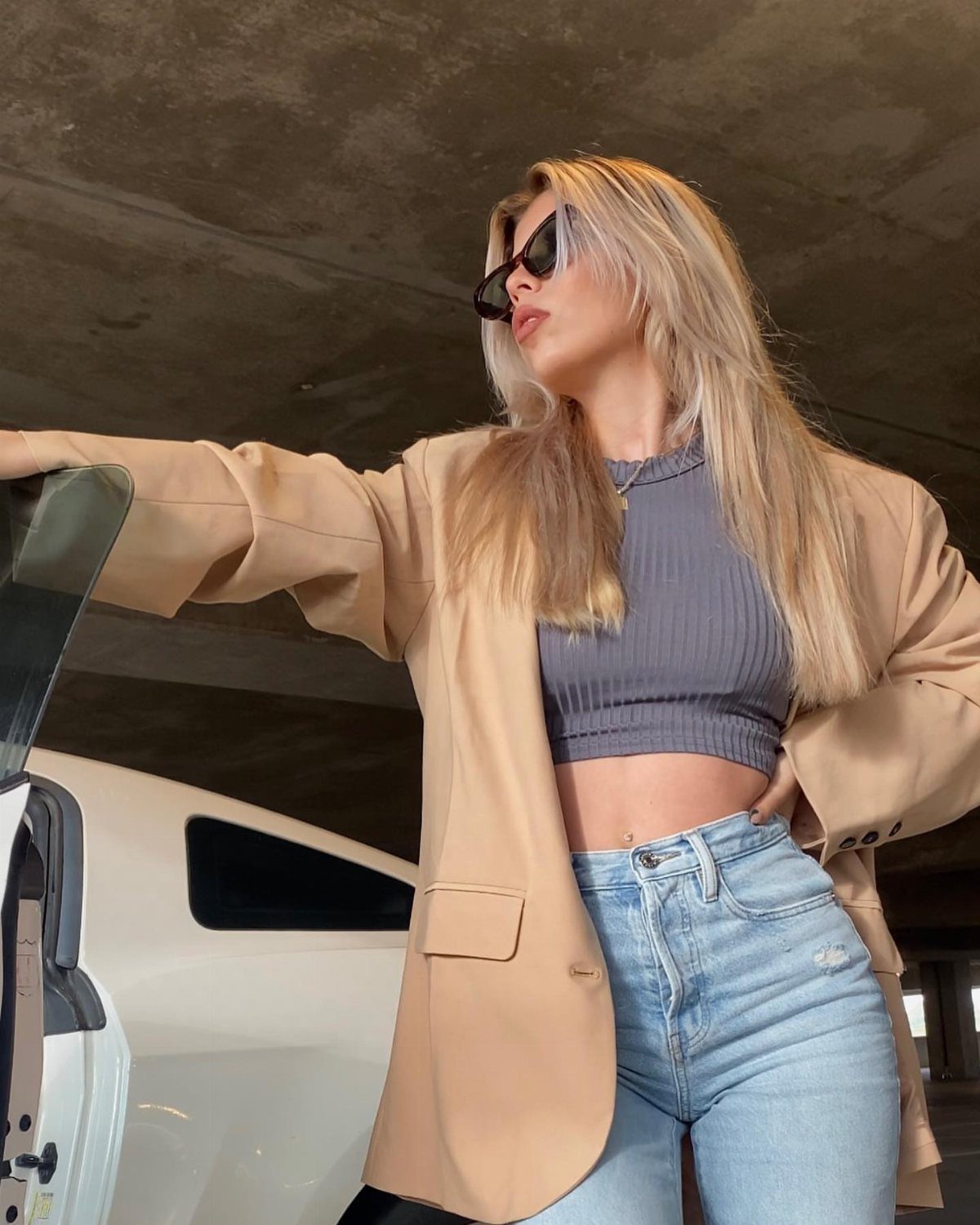
A long, oversized blazer worn open over a cropped top and straight-leg jeans is one of the cleaner 90s formulas still standing.
The blazer needs to hit below the hip for the proportion to read right; anything shorter just looks like a regular blazer.
Tan or camel works well here because it sits between the grey top and the light denim without anchoring the outfit too heavily in one direction.
11. Velvet Suits
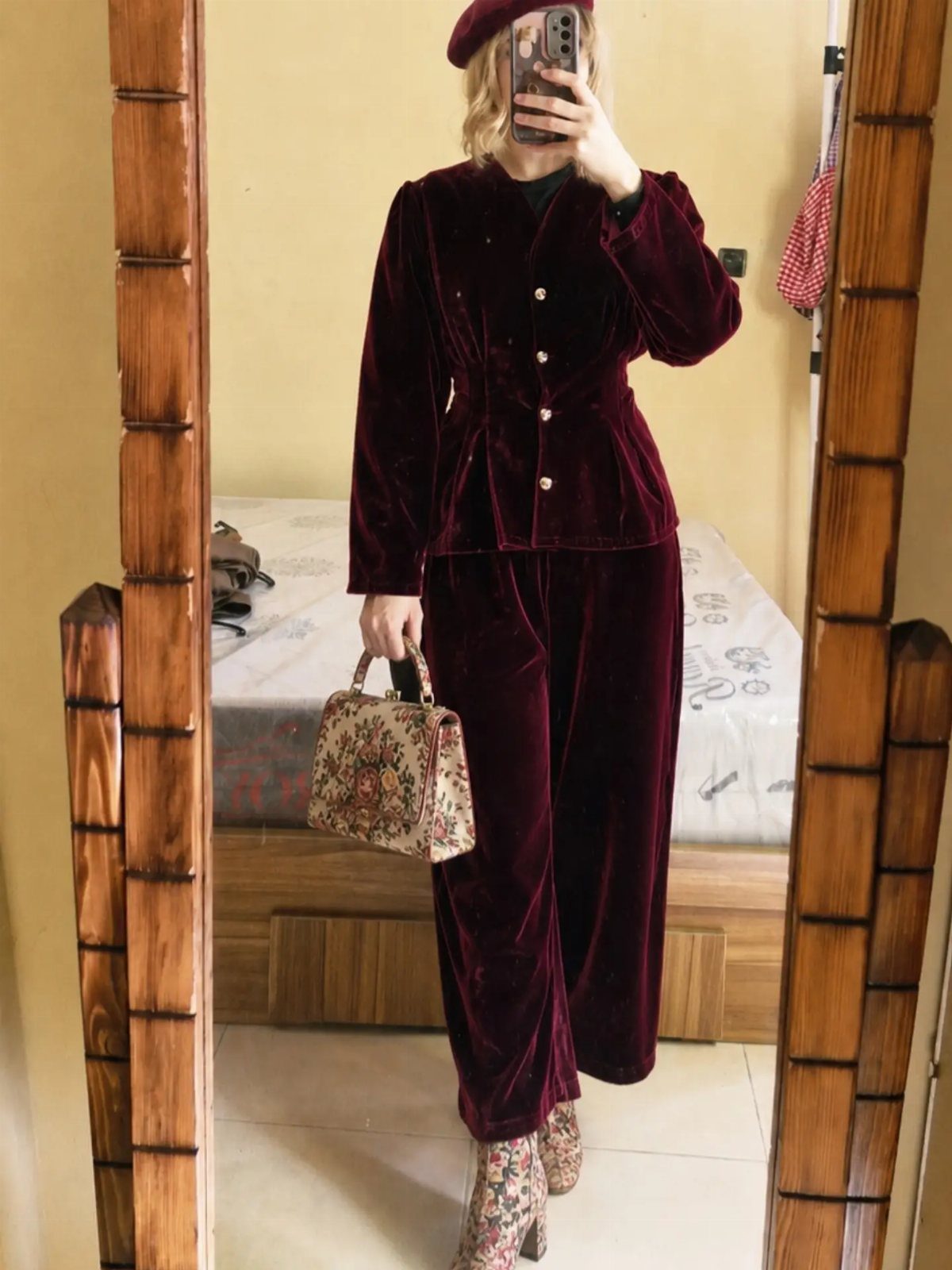
Velvet suits had a genuine moment in the mid-90s, with the red velvet look at the 1996 MTV VMAs probably their most-cited reference point.
A matching beret is period-accurate and commits to the bit in a way that reads considered rather than costume-y. Rich jewel tones, burgundy, forest green, or deep red, carry the velvet better than pastels, which can tip into prom territory.
12. Jeans and Knit Vest
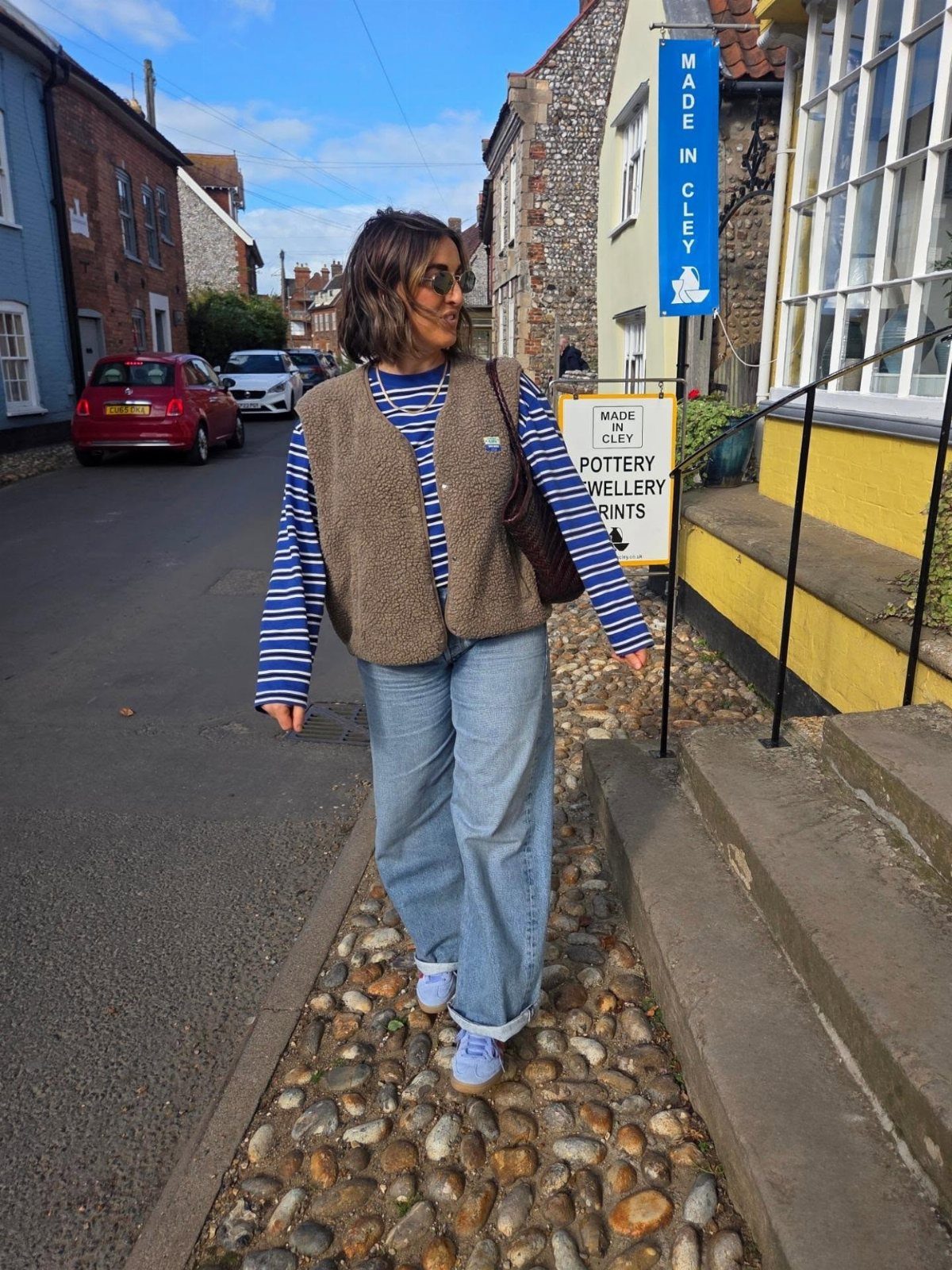
Layering a knit vest over a striped or solid shirt is the kind of combination that reads preppy in one decade and collegiate-casual in another; in a brown or earth tone, it lands squarely in 90s territory.
The shirt collar and cuffs showing beneath the vest do most of the work, so the shirt’s fit matters more than the vest’s. Light-wash straight jeans keep the bottom half from getting too heavy against all that texture on top.
13. Pleated Pants and Knit
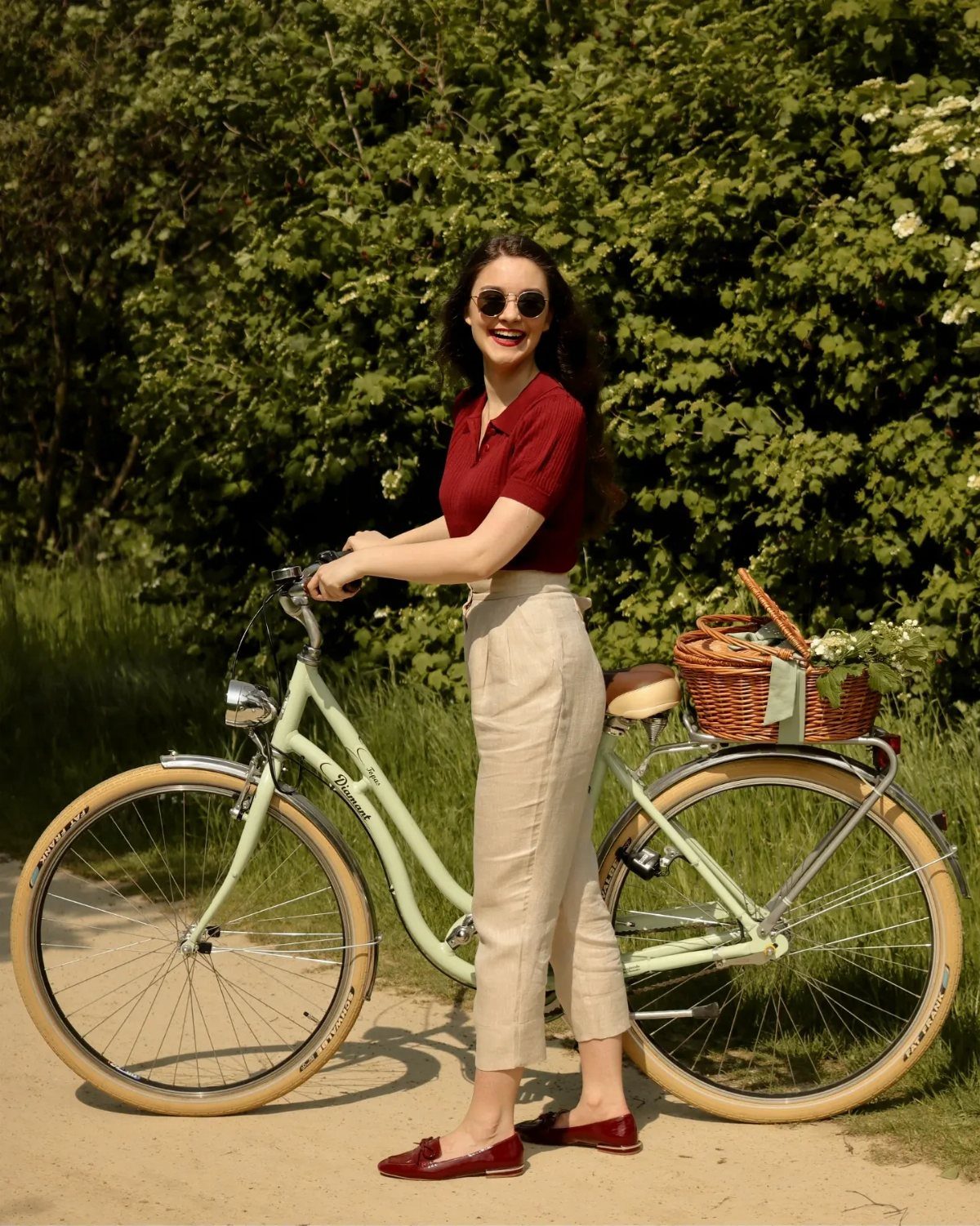
Pleated trousers solve a proportion problem most straight-cut pants create: the front pleats add volume at the hip and taper toward the ankle, so a tucked-in or hip-length knit reads balanced rather than boxy.
Beige or tan is the easiest starting color since almost any top works against it. A fitted polo or ribbed crewneck keeps the outfit from going shapeless, which is the one risk when both pieces are relaxed.
14. Fair Isle and Corduroy
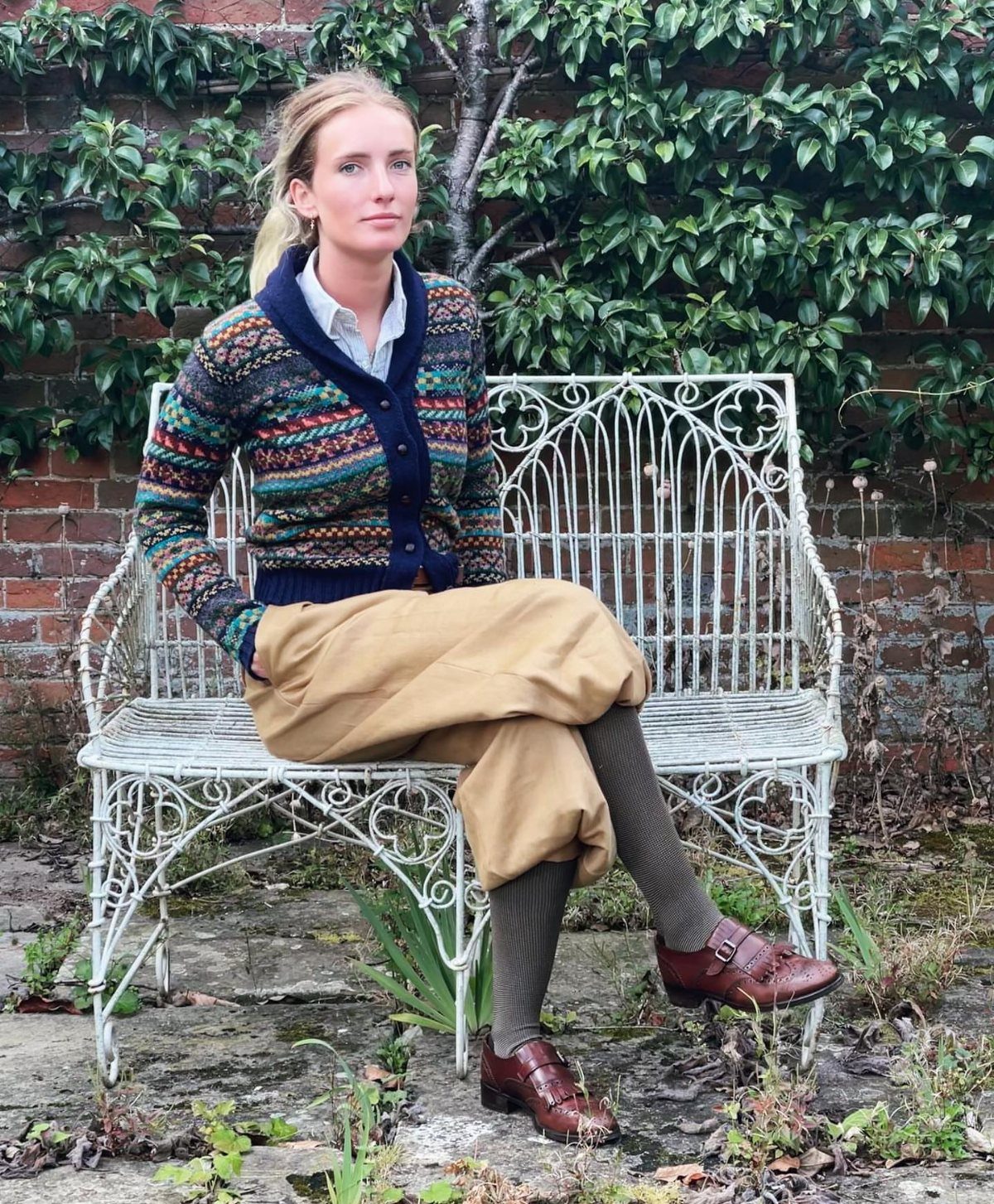
Corduroy and a Fair Isle cardigan belong in the same outfit for the same reason they belong in the same season: both textures read warm without trying.
The cardigan does enough visual work that the rest can stay simple, plain shoes, no extra layering.
15. Plaid Mini Skirt Outfits
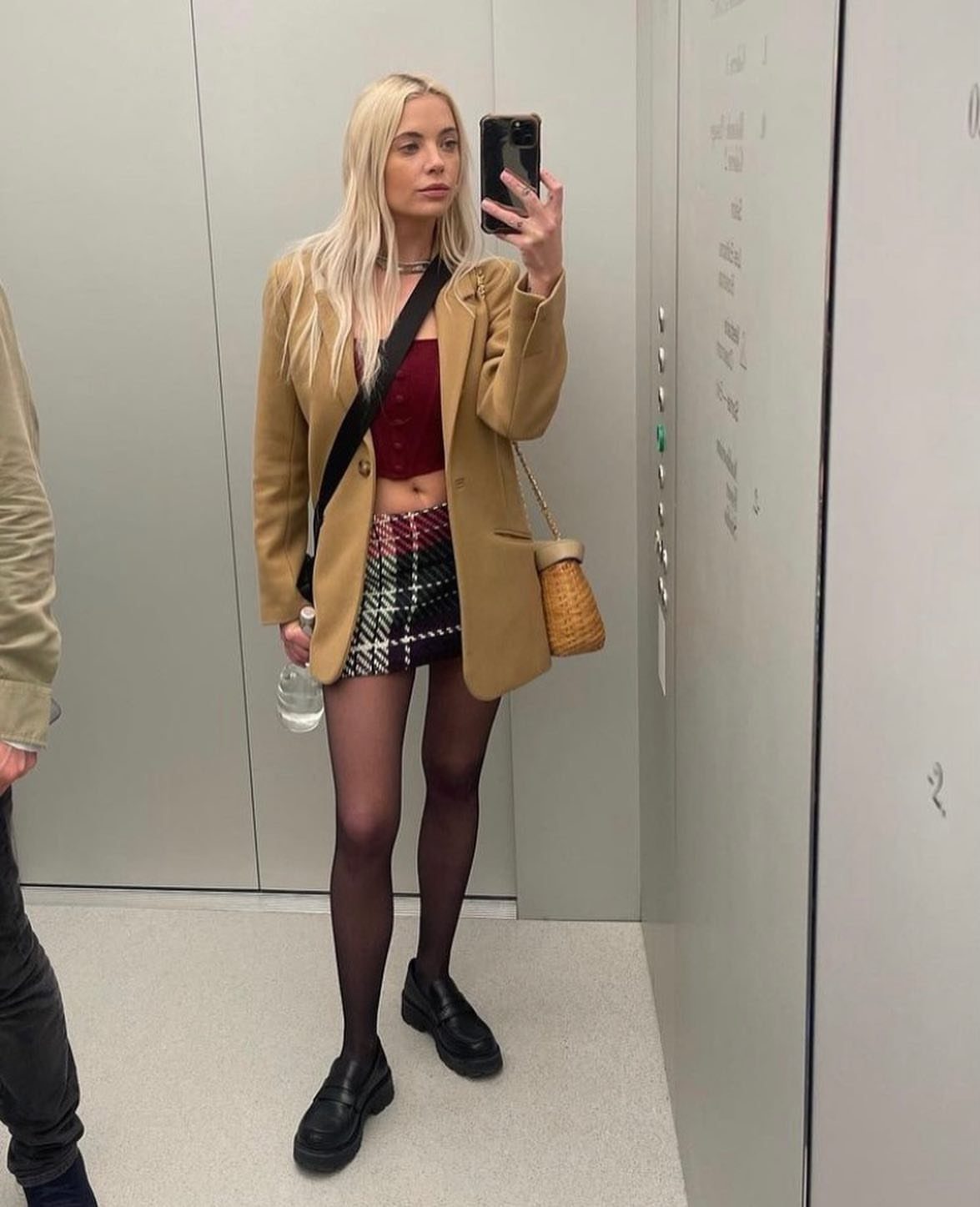
A plaid mini skirt reads very differently depending on what anchors it.
Pair it with a blazer and a crop top and the whole combination tilts more put-together than the skirt alone would suggest, which is exactly what makes it work for casual dressing without looking underdressed.
Black tights take it into fall or winter and stretch the skirt across more of the year than bare legs would.
16. Floral Mini Dresses
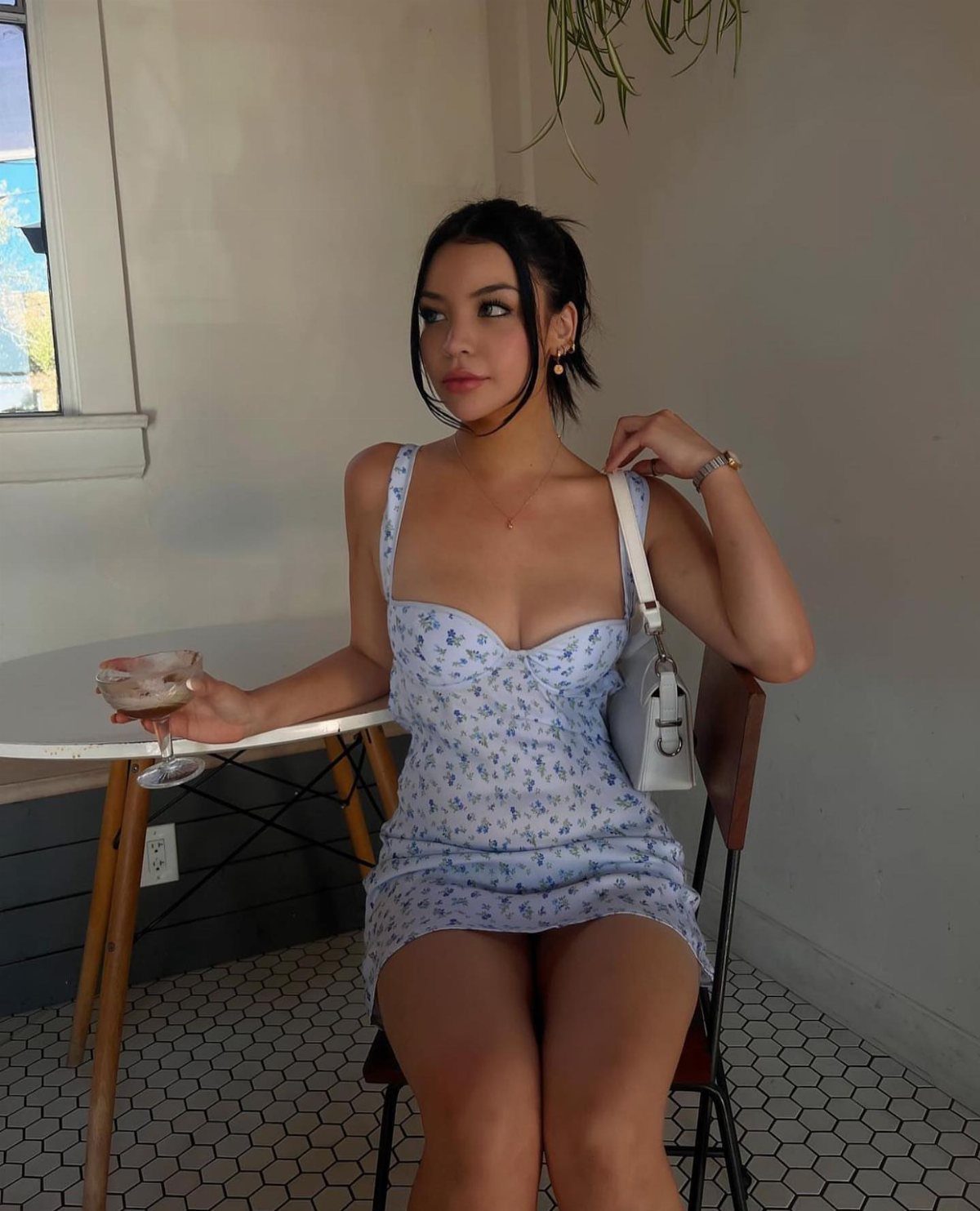
Floral minis from the mid-90s leaned toward smaller prints and softer backgrounds, and a light blue ground with a small print fits that template exactly.
The silhouette does most of the work on its own, so accessories can stay minimal.
A dress this simple is harder to find at mass-market retailers than it looks; the vintage market and small online shops tend to carry the better versions.
17. Plaid Trousers and Blazer
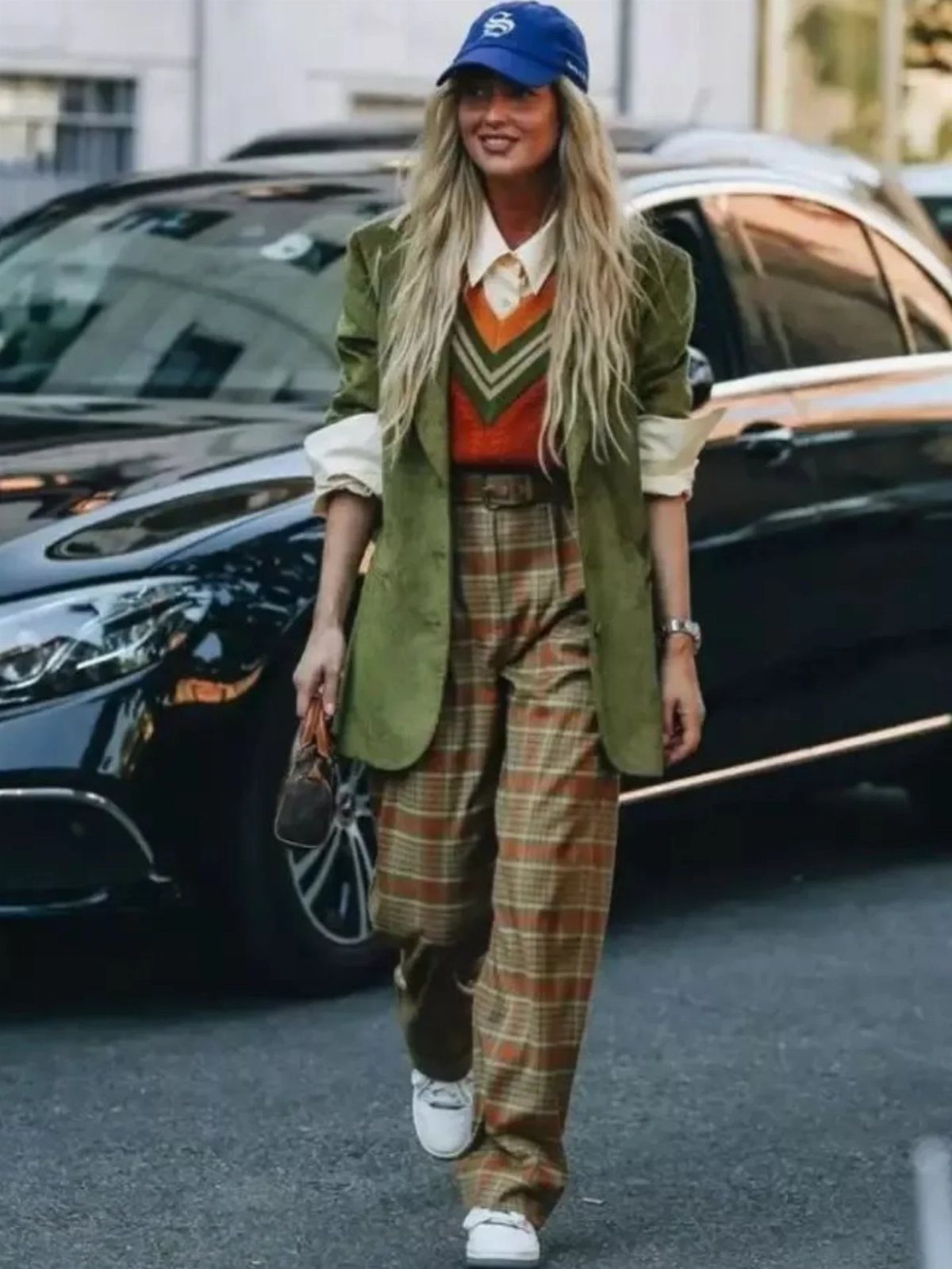
Plaid trousers are one of the few bottoms that can take a blazer in a contrasting color and still read casual rather than formal, mostly because the pattern breaks up any sense that the pieces are trying to match.
A green blazer against brown plaid reads as considered because the tones sit close enough on the warm side. Keeping the third piece, a sweater vest or simple tee, low-key lets the 2 main pieces land without overcrowding.
18. Wide-leg Black Trousers
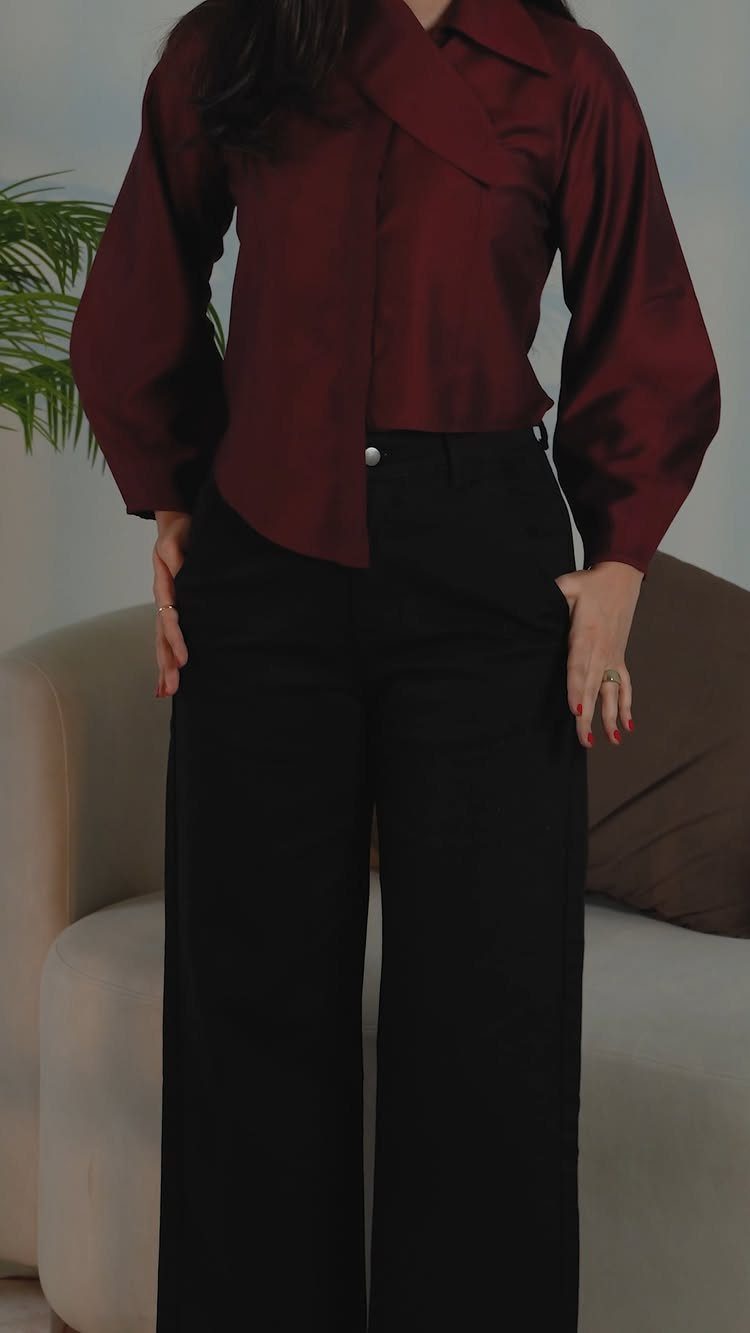
Wide-leg black trousers are easy to oversell as a wardrobe neutral, but the cut genuinely matters: a high-waisted pair with a clean drape reads 90s; a low-rise or overly tapered leg reads something else entirely.
Against a voluminous button-down in a deep color like maroon, the trousers become the anchor rather than the statement, which keeps the proportions from competing. Tucking in partially, just the front, is enough to show where the waist sits.
19. Denim Jacket and Mini Skirt
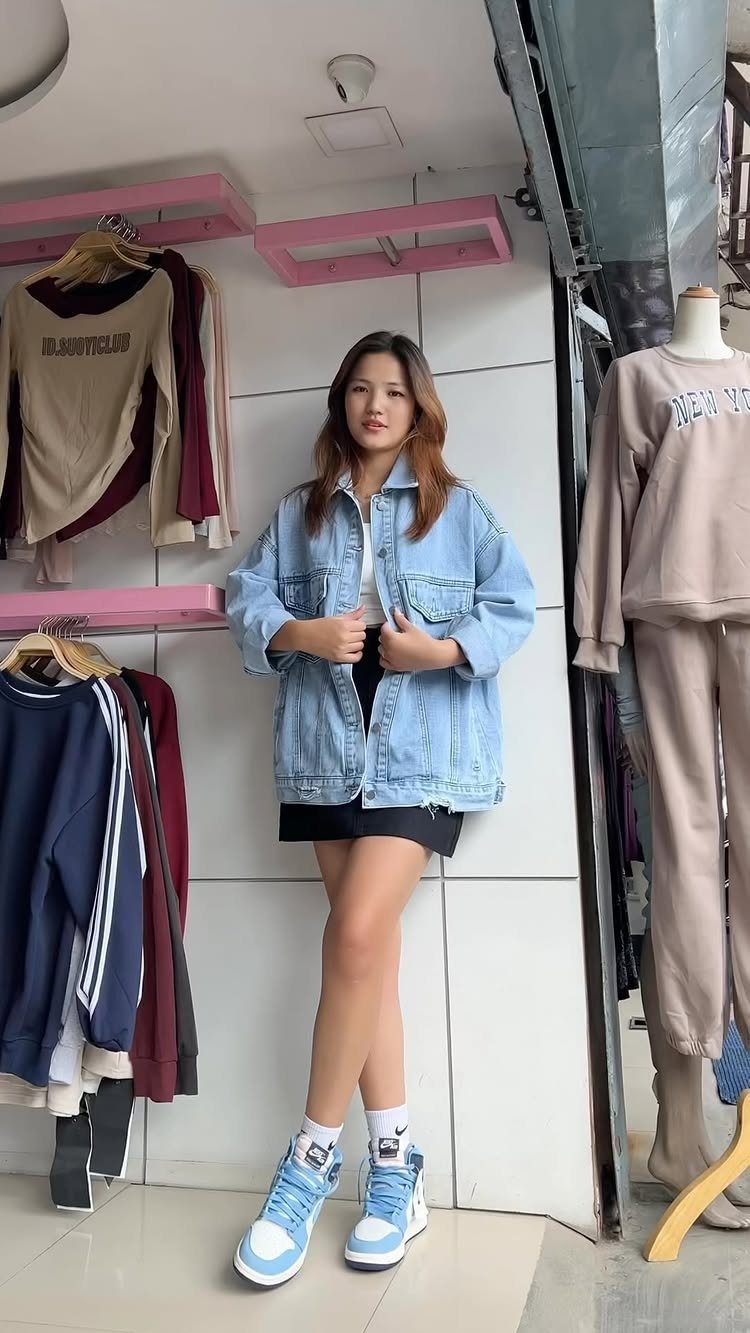
The oversized denim jacket worn over a black mini skirt is one of those combinations where the size contrast does all the styling work.
The jacket needs to be genuinely loose, hitting at mid-hip or lower, or the mini skirt reads out of proportion beneath it.
High-top sneakers in a bold color, blue, red, or white, keep the whole thing young and casual rather than edgy.
A white top underneath holds the middle ground between the light-wash jacket and the dark skirt without competing with either piece.
20. Graphic Tee and Shorts
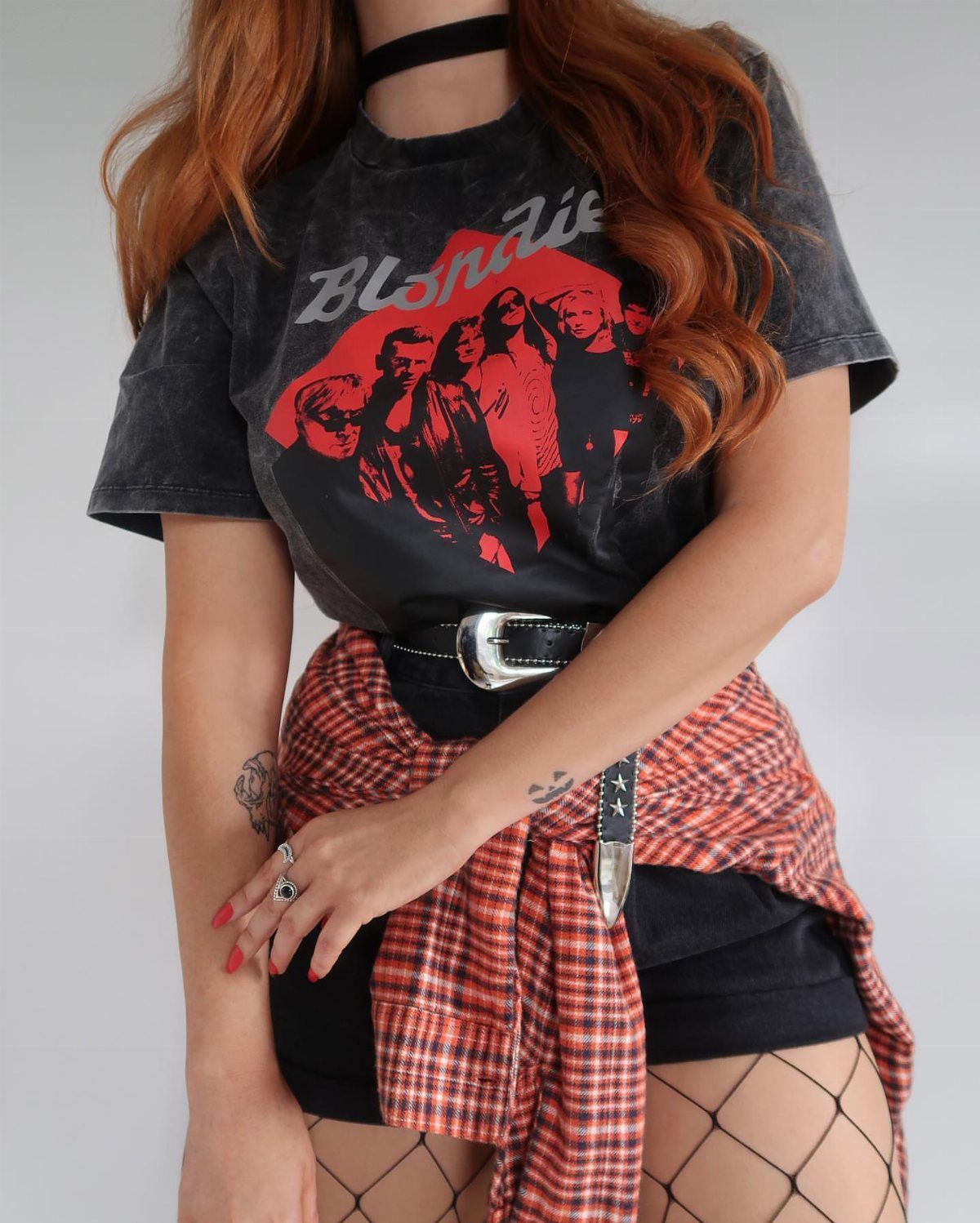
Band tees reach their full 90s potential when something else carries the outfit alongside them. Black shorts and fishnet stockings are the sharper version of that pairing, since the fishnet adds texture without adding color.
Tying a plaid shirt around the waist is a period-accurate move that also solves the "too much black" problem by dropping a second hue into the lower half.
A black belt over the shirt knot keeps the waist defined and the layers from reading sloppy.
21. Casual Top and Cropped Trousers
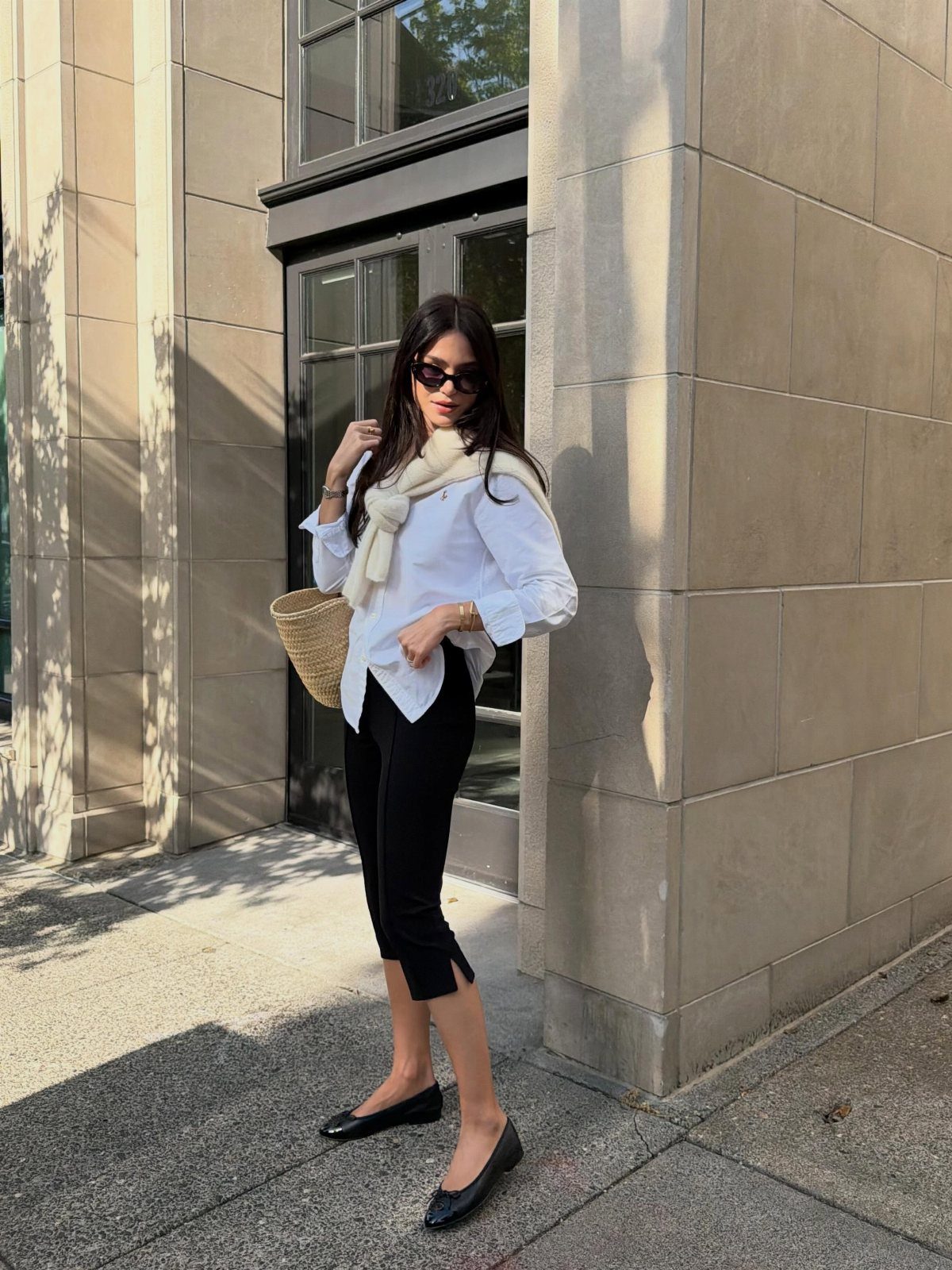
Cropped black trousers and a white button-down are clean enough on their own, but the sweater draped over the shoulders is what moves this out of basics territory and into an actual look.
The drape works best when the sweater’s sleeves are loosely knotted at the chest, not tied tight, so the color shows across the shoulders without pulling the collar forward.
A straw or woven bag in a natural tone fits this better than a structured leather one, since it keeps the whole combination relaxed.
22. Leather Jacket and Jeans
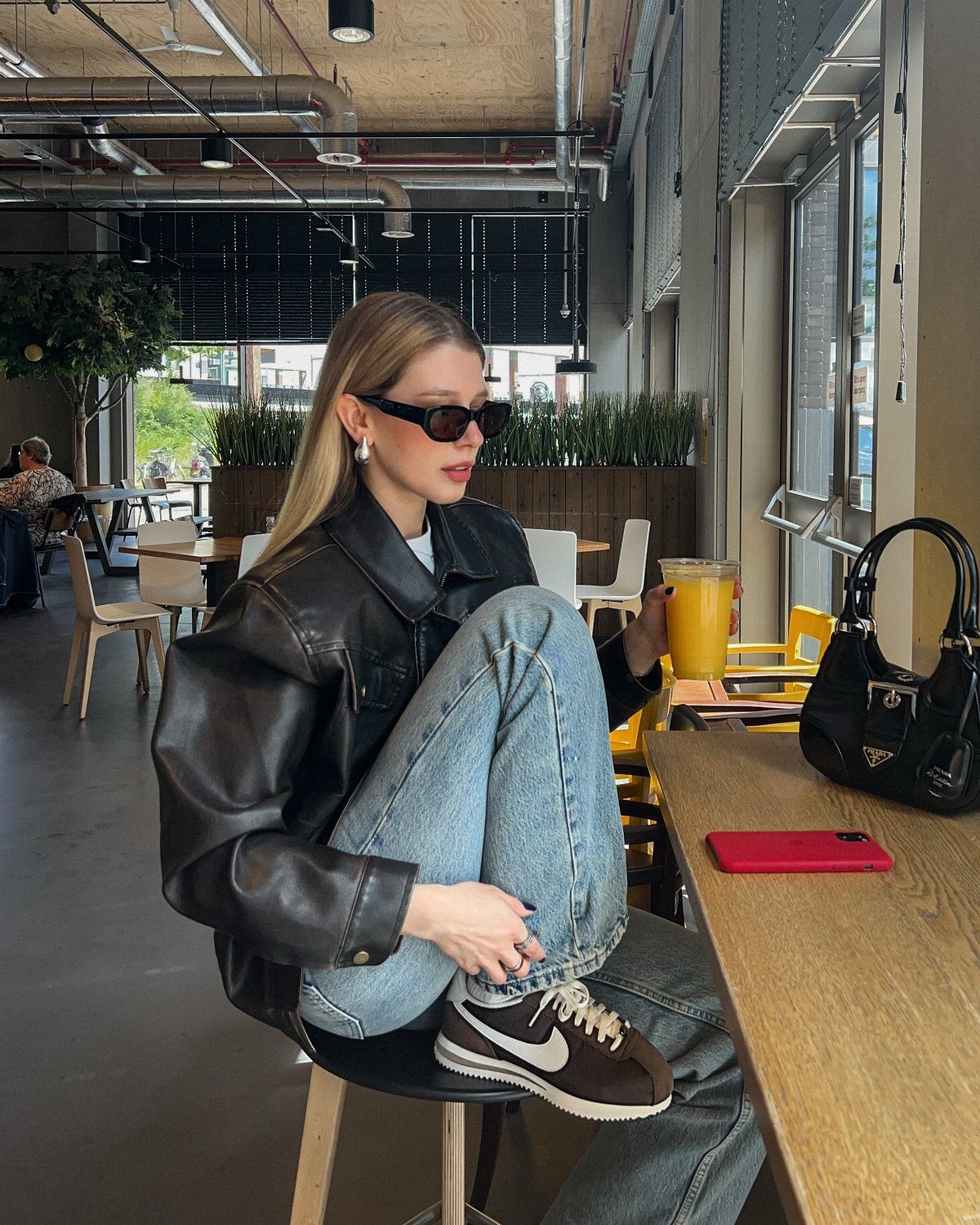
Light-wash jeans under a black leather jacket land in a different register than dark denim would: the contrast is higher, and the combination reads more classic than edgy.
Casual sneakers, especially in a warm brown or tan, soften the jacket enough that the outfit stays everyday rather than costume-like.
Fit matters more here than almost anywhere else: a leather jacket that pulls across the shoulders or sits stiff at the arms reads cheap regardless of what it cost.
Make the Look Feel Modern
One or 2 anchor pieces do more than a full recreation ever could.
Straight-leg denim, a leather jacket, a plaid skirt, a simple tank, loafers, or Converse each carry enough of the decade’s signal that the rest of the outfit can come straight from your closet.
Slightly undone styling matters as much as the pieces themselves. A shirt half-tucked, a sweater loosely knotted at the hip, a hem left un-pressed: 90s casual looked unconsidered even when it wasn’t.
The pieces that have lasted this long do so because they’re functional, not just nostalgic.
Slip dresses, cigarette jeans, pencil skirts, and fitted camis are genuinely versatile in ways that more trend-specific pieces aren’t, which is why they still belong in a working wardrobe rather than a costume box.
Soft Everyday Silhouettes
Fashion historian Daniel Delis Hill described 1990s dressing as a deliberate move away from the structured silhouettes that came before: natural shoulders replaced sculpted ones, and fluid rayon replaced stiffer fabrications.
"Soft dressing" ran through the decade’s advertising and editorials as a kind of guiding idea, shaping what ended up on racks and in magazine spreads.
In practical terms, that meant easy knit tops and dresses, oversized sweaters and vests over gathered skirts, and trousers cut with wide legs or multiple pleats.
Fluid fabrics that moved with the body rather than holding a shape were central to the look.
Useful 1990s Color Palette
The 90s ran two distinct color moods depending on the season. Summer leaned into bright neon and primary colors: yellow, teal, hot pink, and bold blue, usually paired simply with white or black.
Fall shifted toward neutral earth tones, and that palette is the more useful one to build from now.
Black, charcoal, faded denim, burgundy, brown, and muted green sit well together and give almost any combination a 90s-inflected base without reading as costume.
The neon end of the decade is harder to wear without it reading as deliberate throwback. Earth tones are quieter and more versatile, which is probably why they show up consistently in current 90s-inspired dressing.
Frequently Asked Questions
What were some popular fashion trends for women in the 90s?
High-waisted straight-leg jeans, oversized sweaters, plaid patterns, and denim in almost every form defined the decade’s casual side.
Shoulders softened, waists relaxed, and rayon replaced the stiff constructions that had defined the decade before. Blazers, slip dresses, and pencil skirts rounded out the mix, often worn in ways that looked unconsidered even when they weren’t.
What shoes were popular in the 90s?
Flat strappy sandals, canvas sneakers like Keds and Converse, and short lace-up boots covered most of the decade’s footwear. Heels existed but dropped to a more practical 2-inch height for everyday wear, and stilettos showed up mainly with dress suits.
White high-top sneakers paired naturally with the primary-color casual looks of the early years. Socks were largely skipped, though coordinating tights appeared in cooler months.
Did 1990s fashion wear a lot of denim?
Denim ran through the decade in nearly every form: jeans, jackets, pencil skirts, shirtwaist dresses, and eventually full matching sets worn as intentional double-denim. Light blue led the denim palette, with white and black running a distant second and third.
Matching the wash across 2 denim pieces, rather than mixing a dark jacket with light jeans, was what made the double-denim combination look considered rather than accidental.
What was popular in the late 90s?
Burgundy and forest green velvet suits felt genuinely covetable in that mid-to-late-decade window, in a way that cheaper fabrics never quite managed. Slip dresses in satin, often layered with a fitted cardigan, peaked in this period as well.
Mom jeans with flatter waistbands and a slimmer leg replaced the earlier pleated styles as the decade wound down, and the earth-tone palette of black, charcoal, faded denim, and muted brown became more dominant than the bright primary colors of the early years.