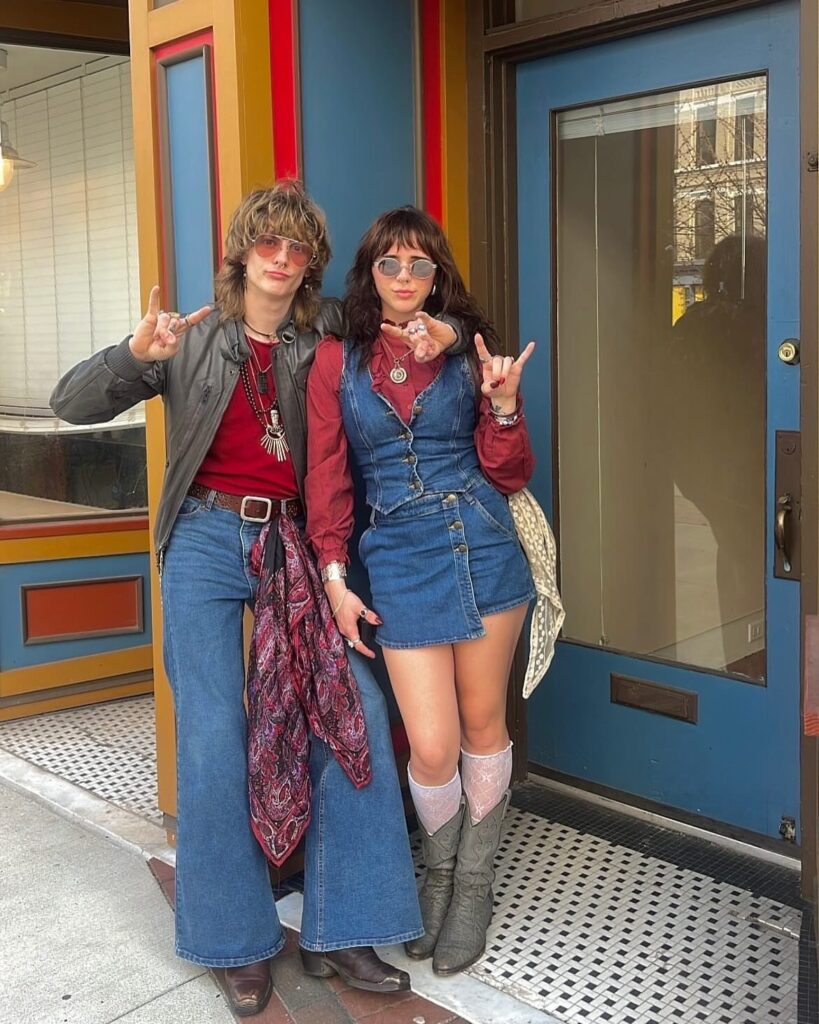
The 22 outfits here run from a $40 faux-suede vest to a full velvet pantsuit, and the deciding factor is which half of the decade you need: early seventies craft revival with fringe and crochet for daytime, or the later disco line of metallic tunics and go-go boots for evening.
A molded rubber platform sole gives the height without the cork fatigue, and a wrap dress in fluid jersey still adjusts to your waist without a tailor.
1. Wrap Dress
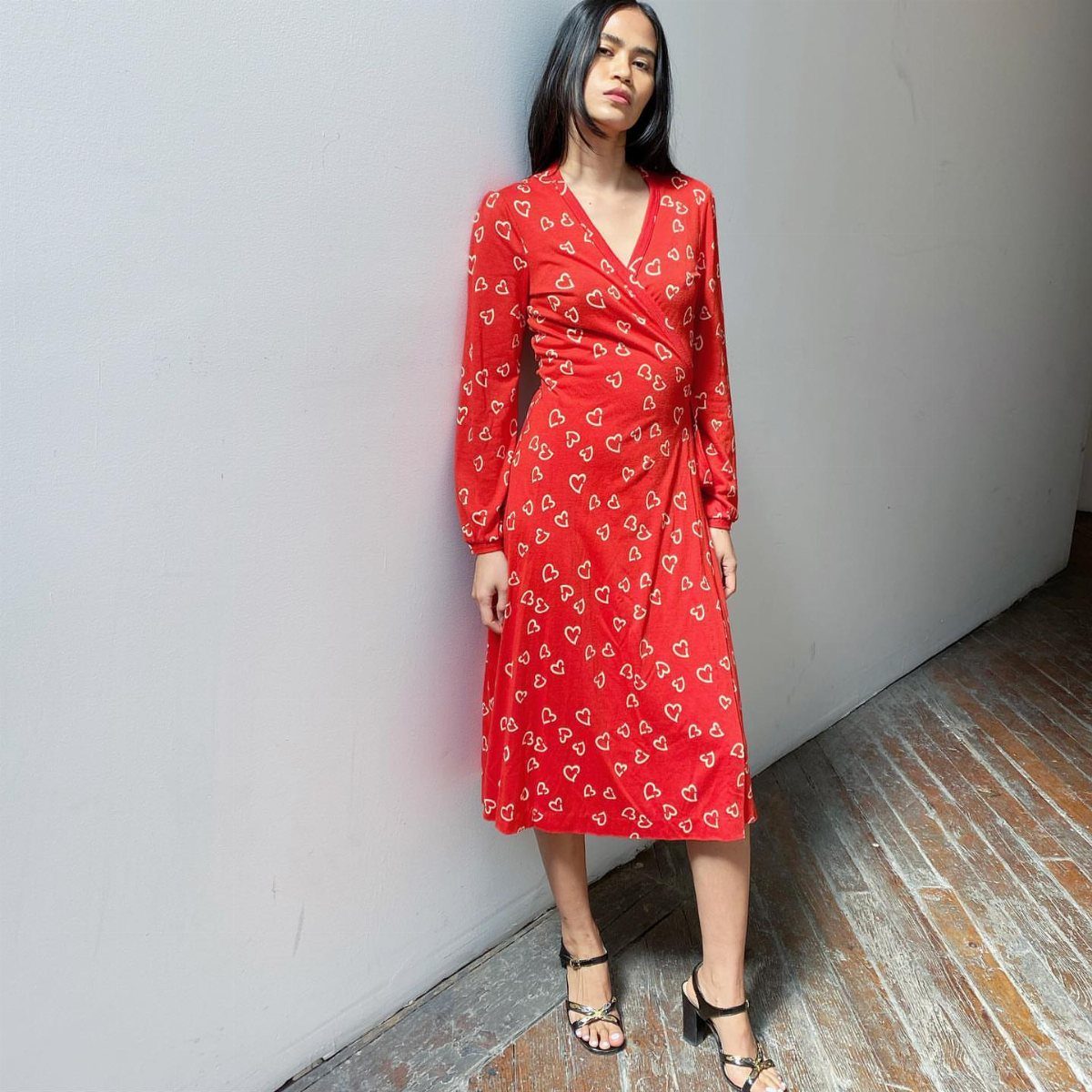
Diane von Furstenberg built her label on this cut, and it still solves the same problem: a dress that adjusts to your waist without tailoring.
The wrap closure lets you set the depth of the V-neck and the exact cinch point, which makes it unusually forgiving across bust sizes and midsections.
I look for a midi length in a fluid jersey or silk jersey; the fabric needs enough weight to drape cleanly without clinging.
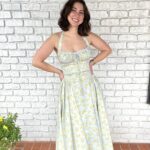
A busy print, like the hearts visible here, hides the overlapping panels and any pulling across the hips.
For work, I would layer a fitted turtleneck underneath in cooler months; for evening, swap in heeled sandals and leave the sleeves pushed up.
2. Jumpsuits
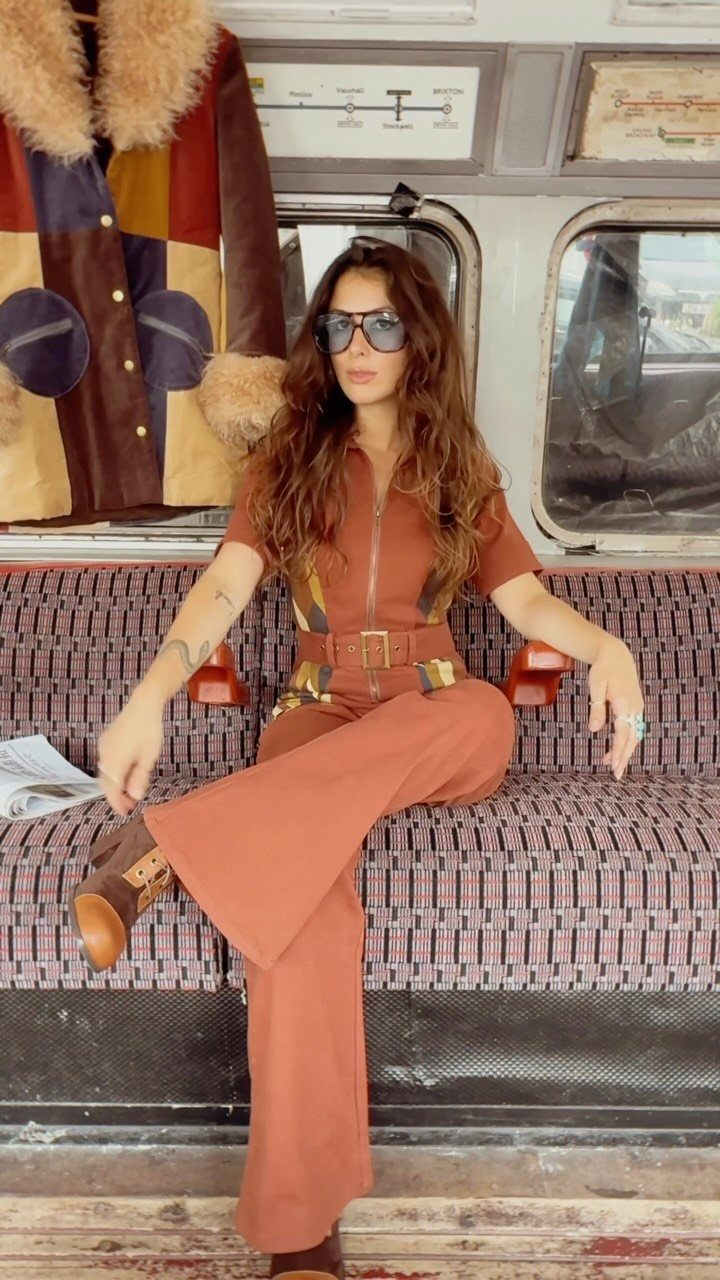
A one-piece in a warm rust or terracotta reads immediate seventies without needing additional props.
The flared leg balances the volume through the torso and creates a long vertical line; I find this more practical than the era’s wide culottes, which can swallow a smaller frame.
Fit matters more here than in separates. The waist seam should hit at your natural waist, not above or below; the torso length is the detail that decides whether you can sit comfortably.
A woven fabric with a little stretch, like a cotton-lycra blend, recovers better than pure polyester after a day of wear. A shearling coat in the right weight and proportion works for the commute or a cooler evening.
3. Fringed Vests
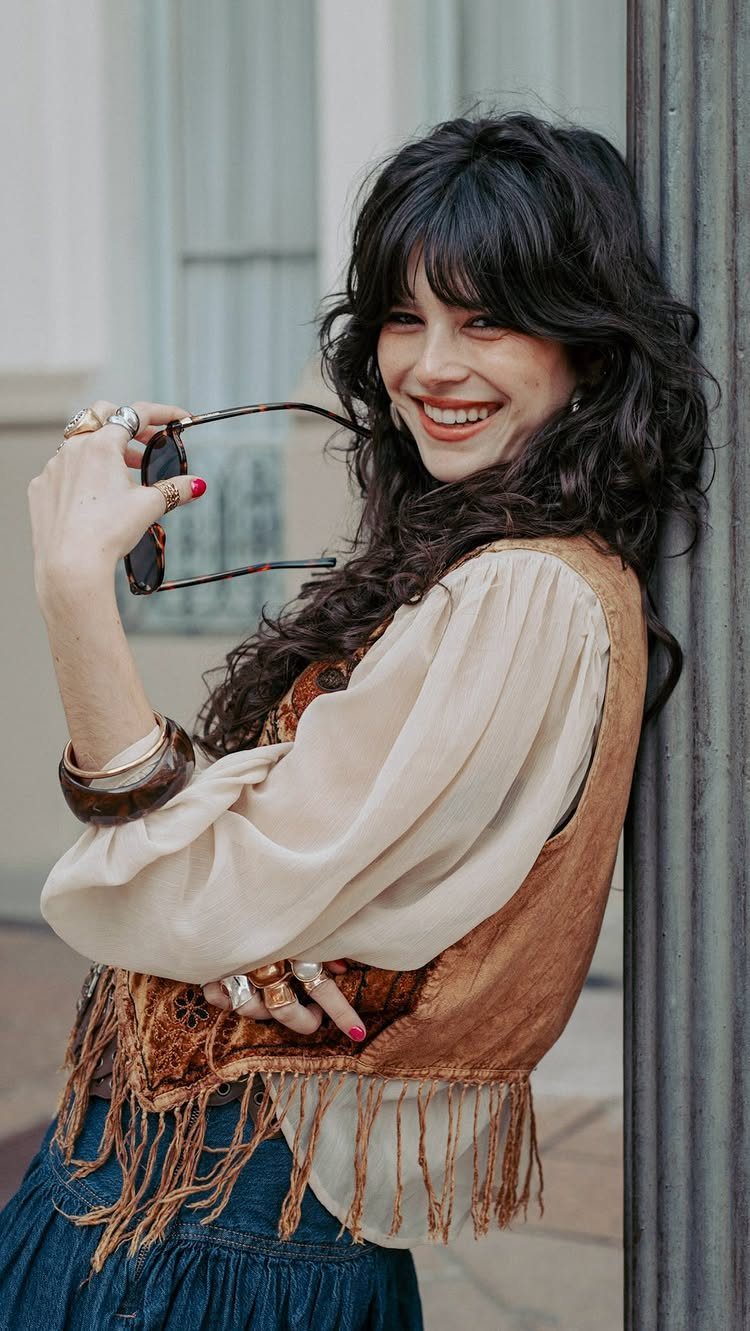
Suede fringe belongs to the early part of the decade specifically, before the look tipped into costume.
Keep it wearable by choosing fringe short enough that it moves without overwhelming the silhouette, and layer over a cream blouse for a clean, neutral base.
I would wear this with high-waisted flared jeans or a denim midi skirt; one textural element is enough, since suede elsewhere in the same outfit competes with the fringe rather than supporting it.
The vest works best on a frame that can carry horizontal volume across the chest without looking bulky.
For a budget option, faux suede from a heavier knit backing hangs better than thin polyester versions. Dry clean only, regardless of material; water stiffens the fringe and ruins the drape.
4. Bell-Bottoms
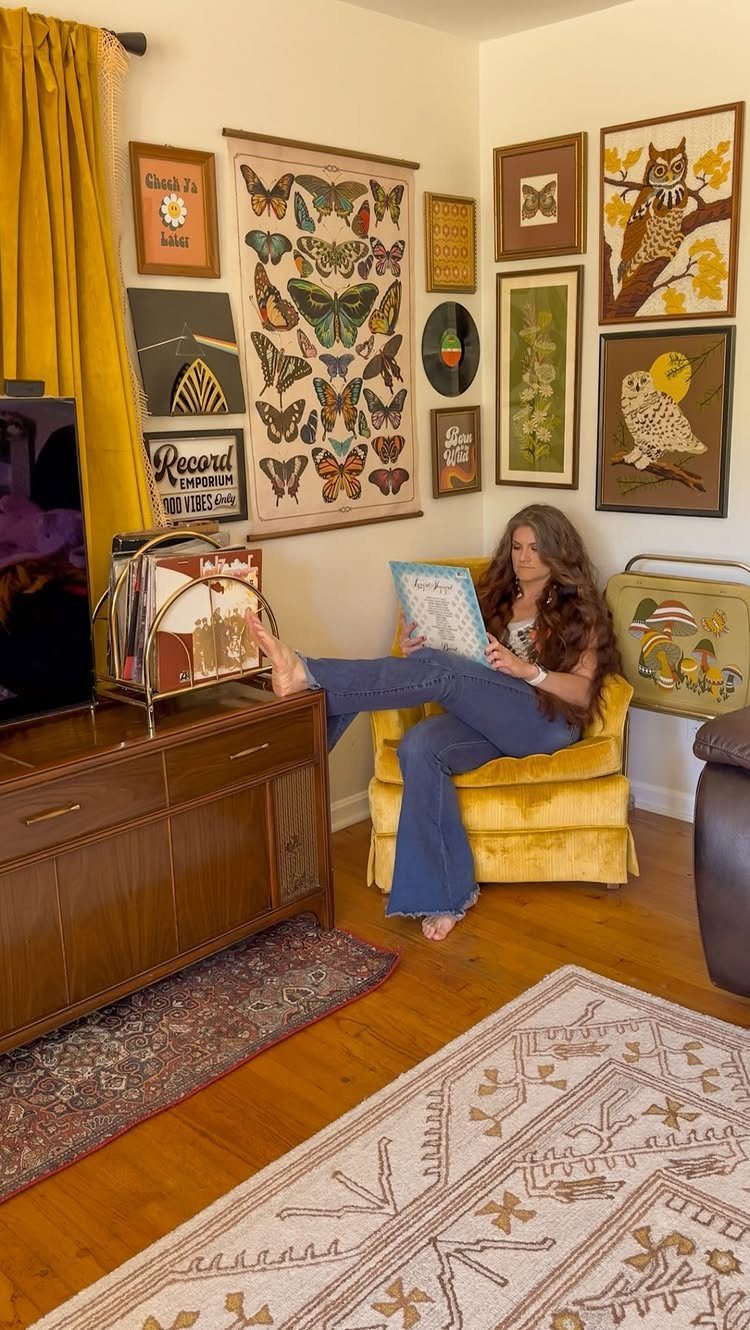
The flare from the knee down, wide enough to cover most of a shoe, is what separates these from bootcut or wide-leg jeans.
The proportion works with a fitted top; a tucked-in tee or slim turtleneck keeps the volume in one place.
I prefer a mid-rise or high-rise waist with this cut.
The low-rise versions of the earlier revival created an unbalanced silhouette and required constant adjustment. Rigid denim with a small amount of stretch holds the flare shape through the day better than super-stretch fabric, which can sag at the knee.
These look best hemmed to graze the floor with a slight platform or heel, not pooled around the ankle.
5. Platform Shoes
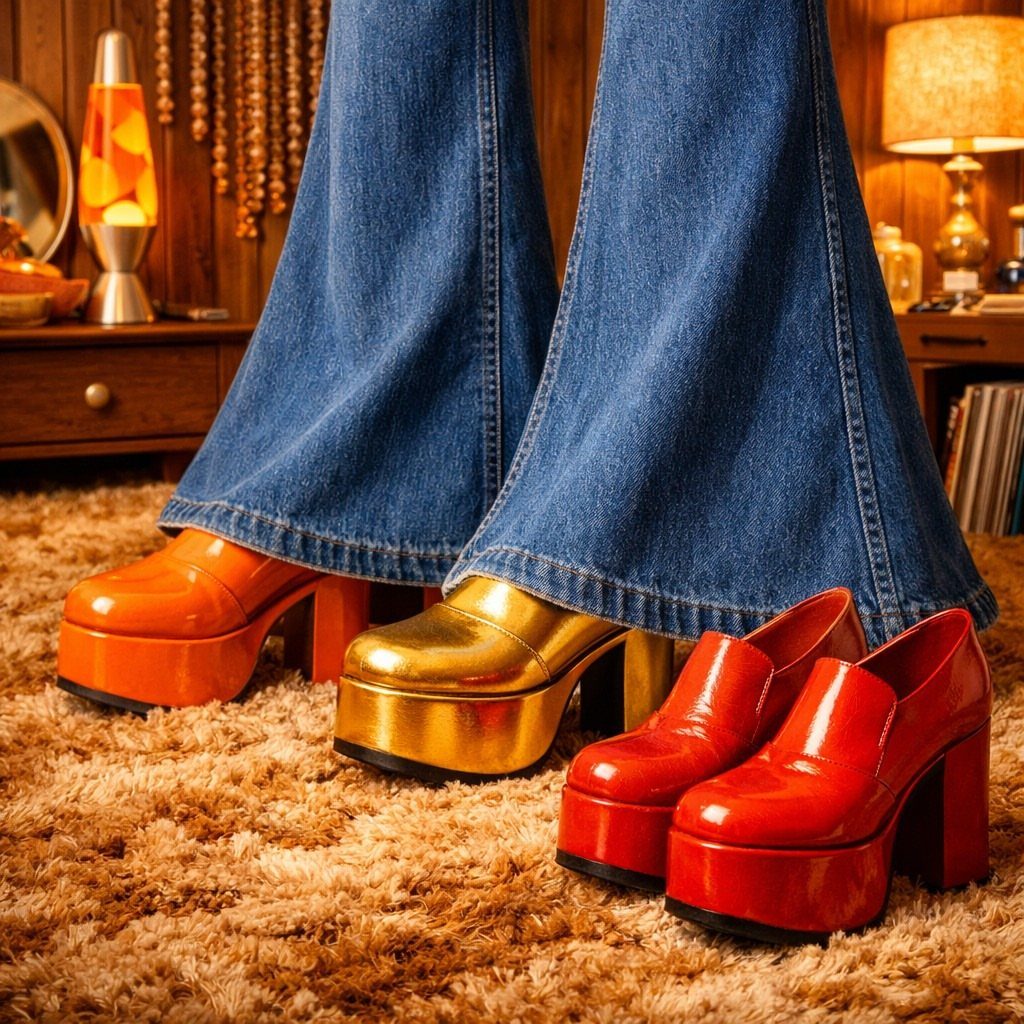
The 1970s platform was a solid wedge of cork or wood, often 2-4 inches at the heel with a raised toe that made the pitch walkable.
I find a platform more stable than a stiletto of the same height because your weight distributes across the full sole. A wooden platform adds noticeable heft, and after a full day my feet feel it.
For actual wear, I would choose a molded rubber sole in a platform style; it gives the look without the fatigue. Pair with flared jeans that break right at the shoe, or a midi skirt that shows the full shape.
6. Maxi Dresses
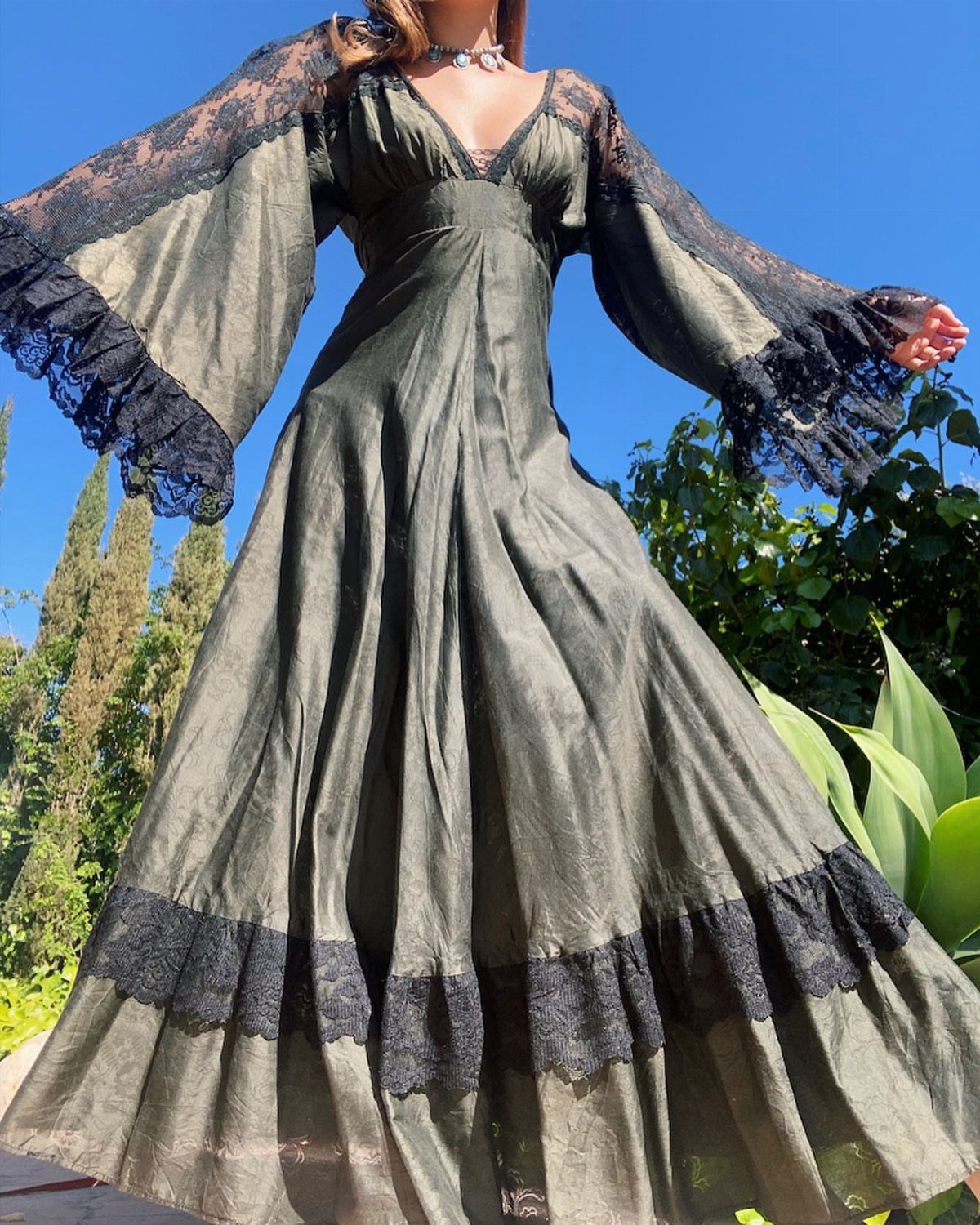
A floor-length dress with a defined waist and flowing skirt reads seventies in a way that shorter hemlines from the same era do not.
Olive tone and black lace trim keep the mood earthy rather than formal; this is daytime fabric and detailing.
I look for a sleeve with some volume, like the bell shape here, to balance the length and prevent the dress from reading as a nightgown.
The waist needs to sit high enough that the skirt starts at your narrowest point; an empire seam can work, but a true waist definition is more flattering on most figures.
For fall, I layer a fitted turtleneck underneath and add boots; the dress becomes a jumper without alteration.
7. Peasant Tops
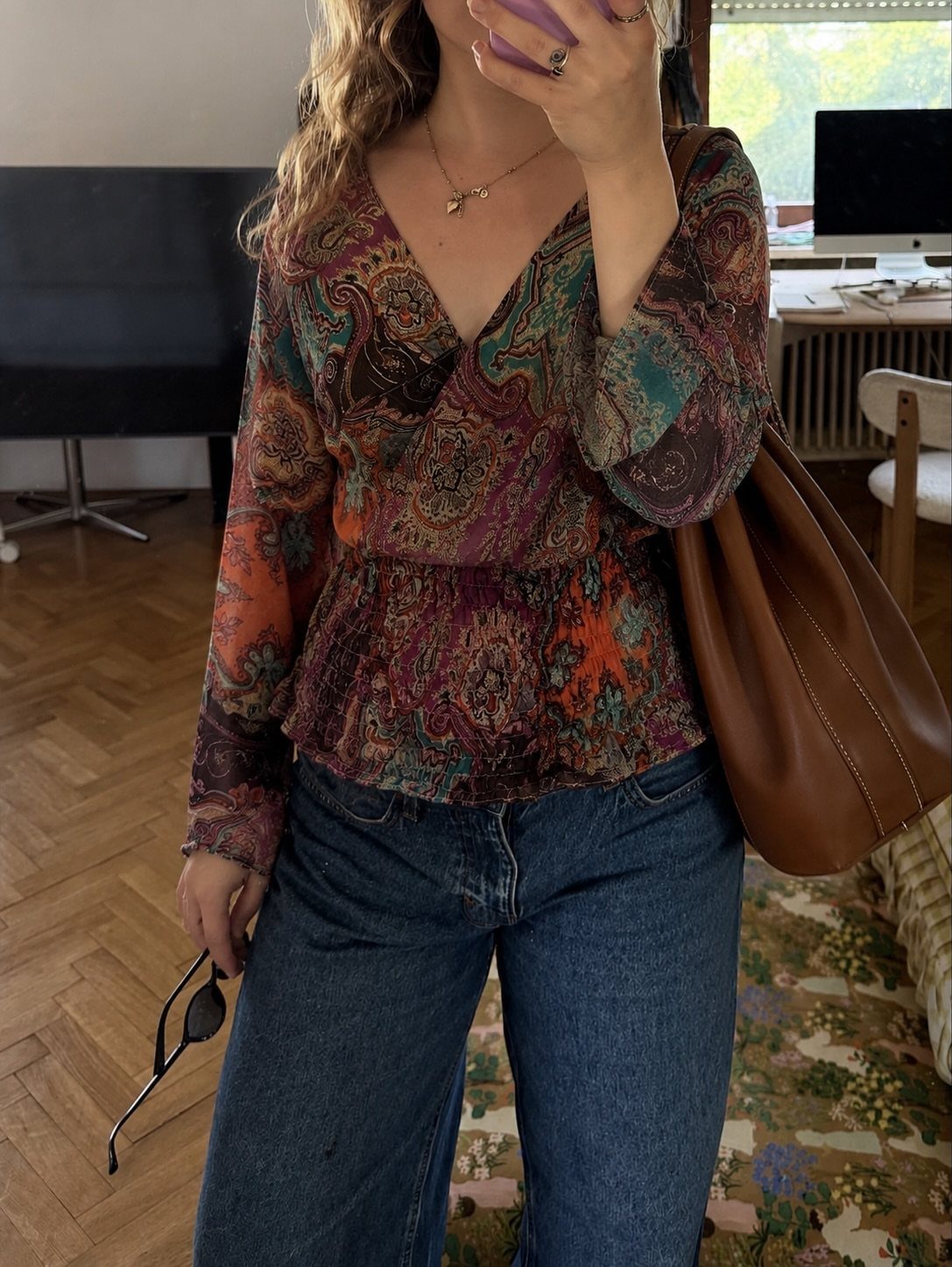
A smocked or elasticized waist keeps a voluminous blouse from becoming shapeless, which is the detail that separates a wearable peasant top from a tent.
The paisley print here reads seventies without trying too hard, and the wrap closure adds structure that a simple gathered neckline lacks.
I would tuck this into high-waisted jeans or a denim midi skirt; the waistband holds the smocking in place and defines your shape.
For work, a solid color in cotton voile looks less costume than the full folkloric version. Machine wash cold and hang dry; the elastic in the waist recovers better without dryer heat.
8. Cool Shades
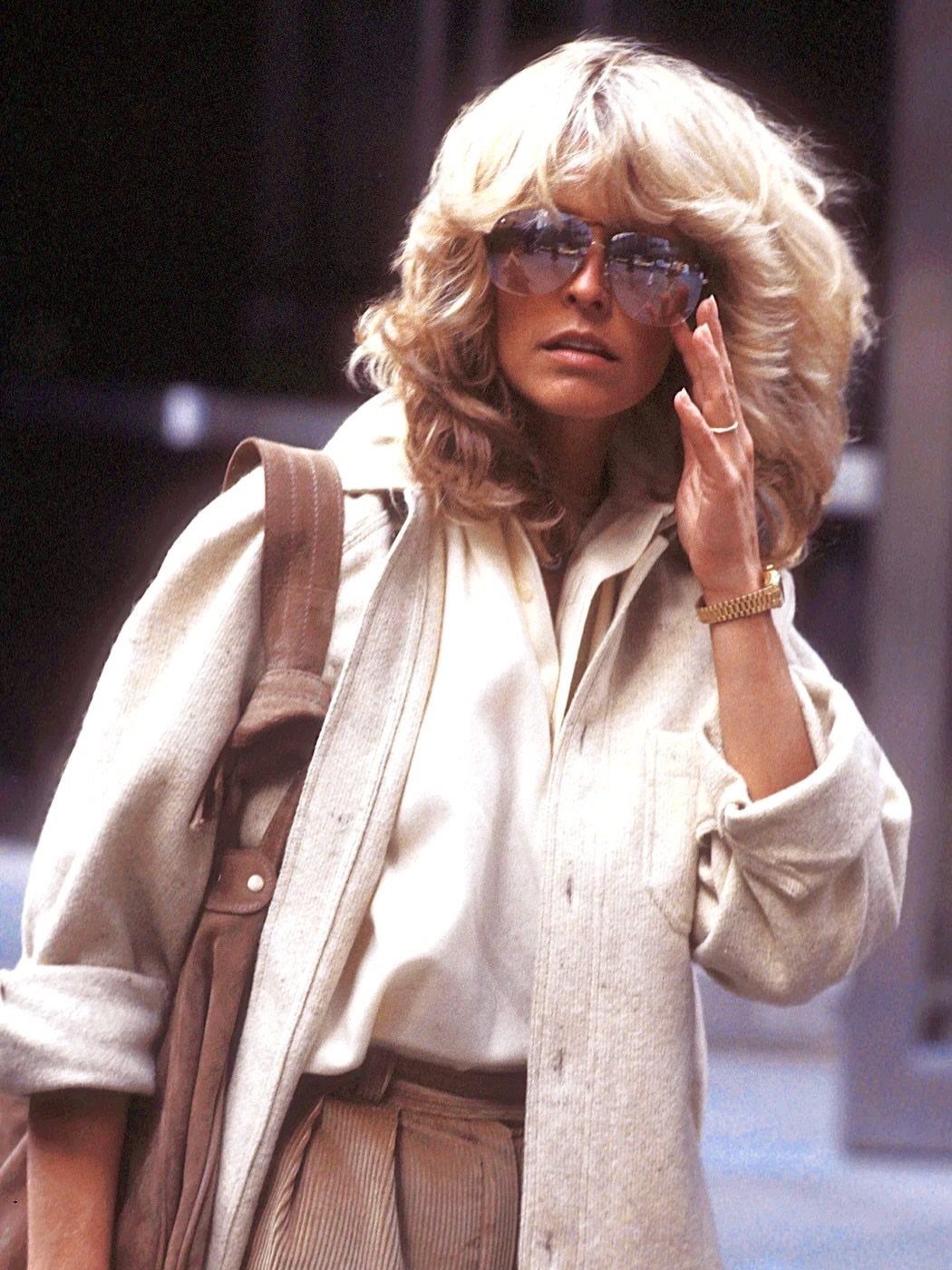
Oversized aviators with a warm tint, like the amber visible here, soften the face more than mirrored or dark lenses and read seventies in a way that black wayfarers do not.
The frame size should hit at your cheekbone, not below; smaller faces get swallowed by oversized widths that suit broader bone structures.
I find tinted lenses more versatile than full sunglasses for overcast days or moving between indoor and outdoor spaces.
A metal frame in gold or bronze carries the era better than black plastic. Expect to pay more for a decent pair that holds its hinge tension; the vintage originals were heavier and less comfortable than reproductions.
9. Crocheted Tops
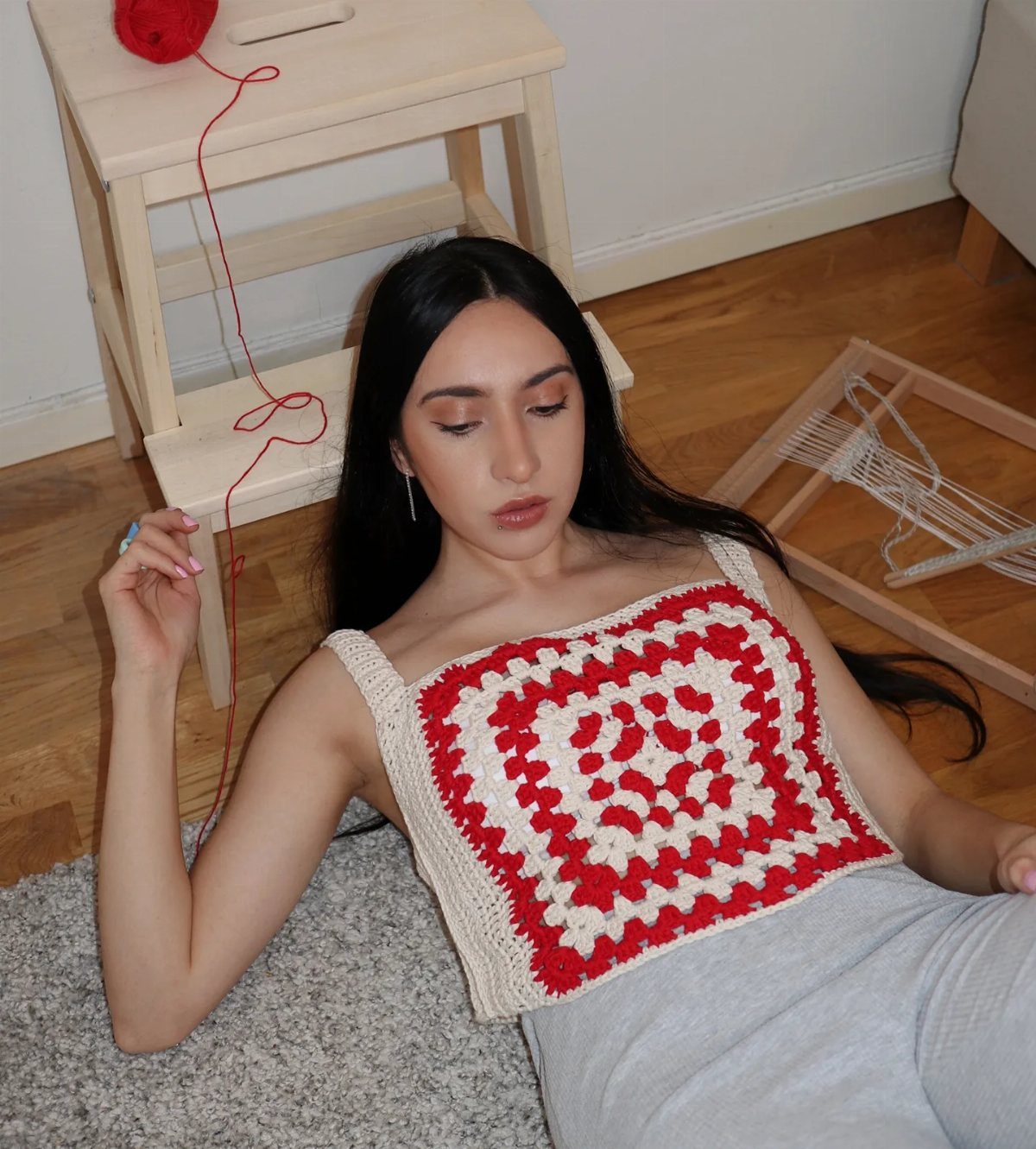
Granny squares in a cotton or cotton-linen blend hold their shape and breathe better than acrylic, which can feel sticky against skin and sag after washing.
The red and cream here is a classic combination; the handmade irregularity is part of the appeal, so I would not aim for machine-perfect tension.
Wear a nude-toned bra or a bandeau underneath; the gaps between stitches are visible and intentional.
For cooler weather, layer over a fitted turtleneck in a thin merino, letting the crochet pattern show through. Hand wash and lay flat; the weight of water stretches cotton crochet vertically if you hang it.
10. Shearling Coat Outfit
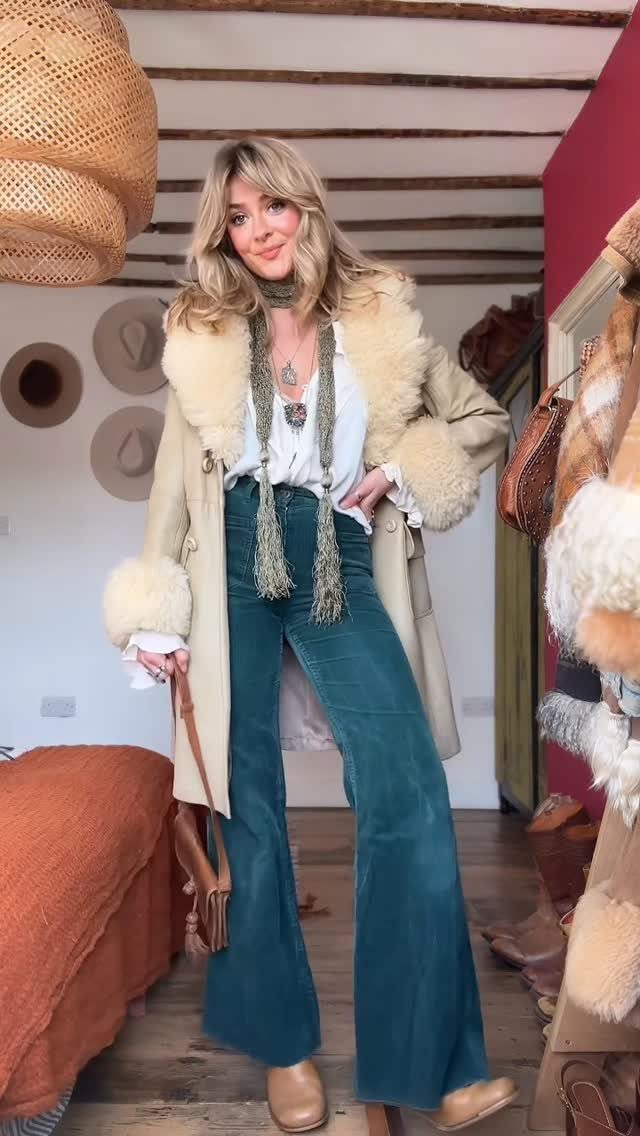
Real shearling is sheepskin with the wool still attached; faux versions vary enormously, and the better ones use a dense acrylic pile on suede cloth that moves similarly.
The cream tone here works across more of your wardrobe than the darker tobacco or chocolate shades that read more western.
I would treat this as outerwear that stays on indoors, since the bulk makes it awkward to drape over a chair.
A below-the-hip length balances flared trousers without cutting your leg line; a cropped shearling jacket sits better with straight or skinny pants. Spot clean the wool side; full immersion ruins the leather backing even on faux.
11. Tie-Front Tops
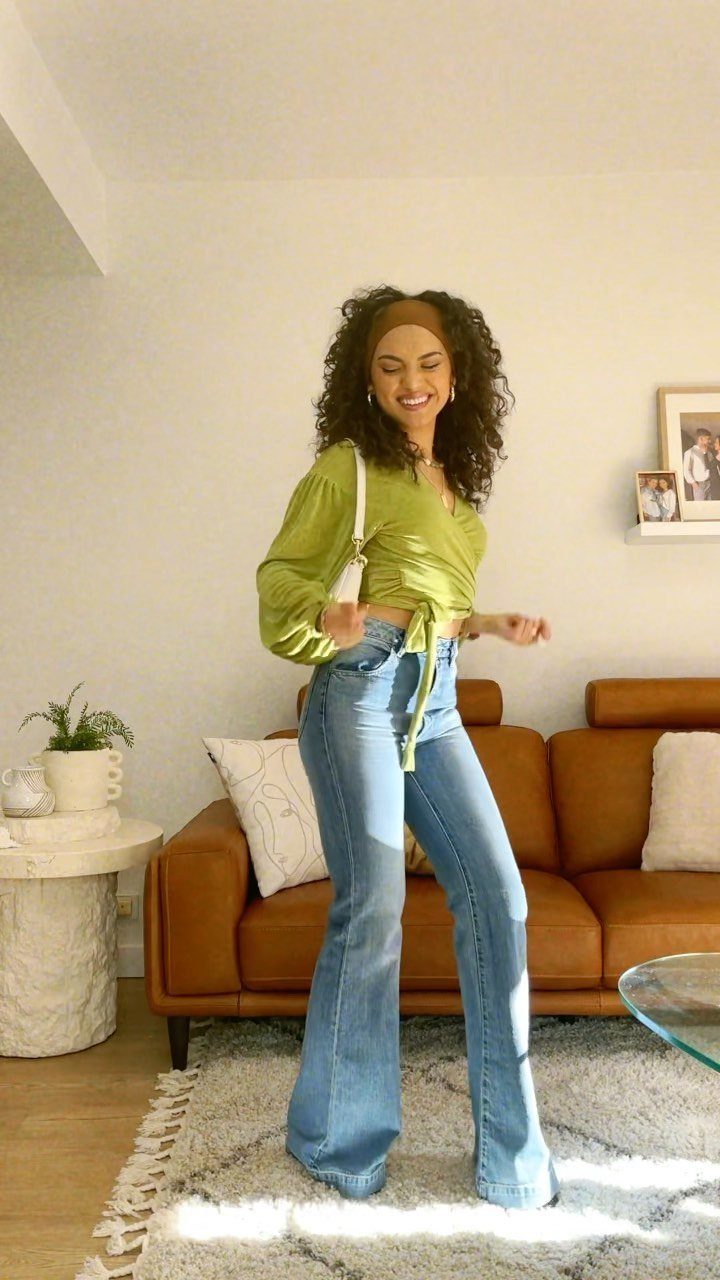
A knot at the sternum draws the eye up and creates a focal point that a plain tucked-in blouse lacks.
The green here is deep enough to read as a neutral with denim; a paler shade would feel more novelty and less versatile.
The crop length works because the high waist of the jeans meets it; with a lower rise, this top exposes more midriff than most situations welcome.
I prefer a long sleeve in silk or a cotton-viscose blend; short sleeves in this cut can look like a beach cover-up. The tie should be functional, not decorative, so you can adjust the tension across your bust.
12. Fitted Turtlenecks
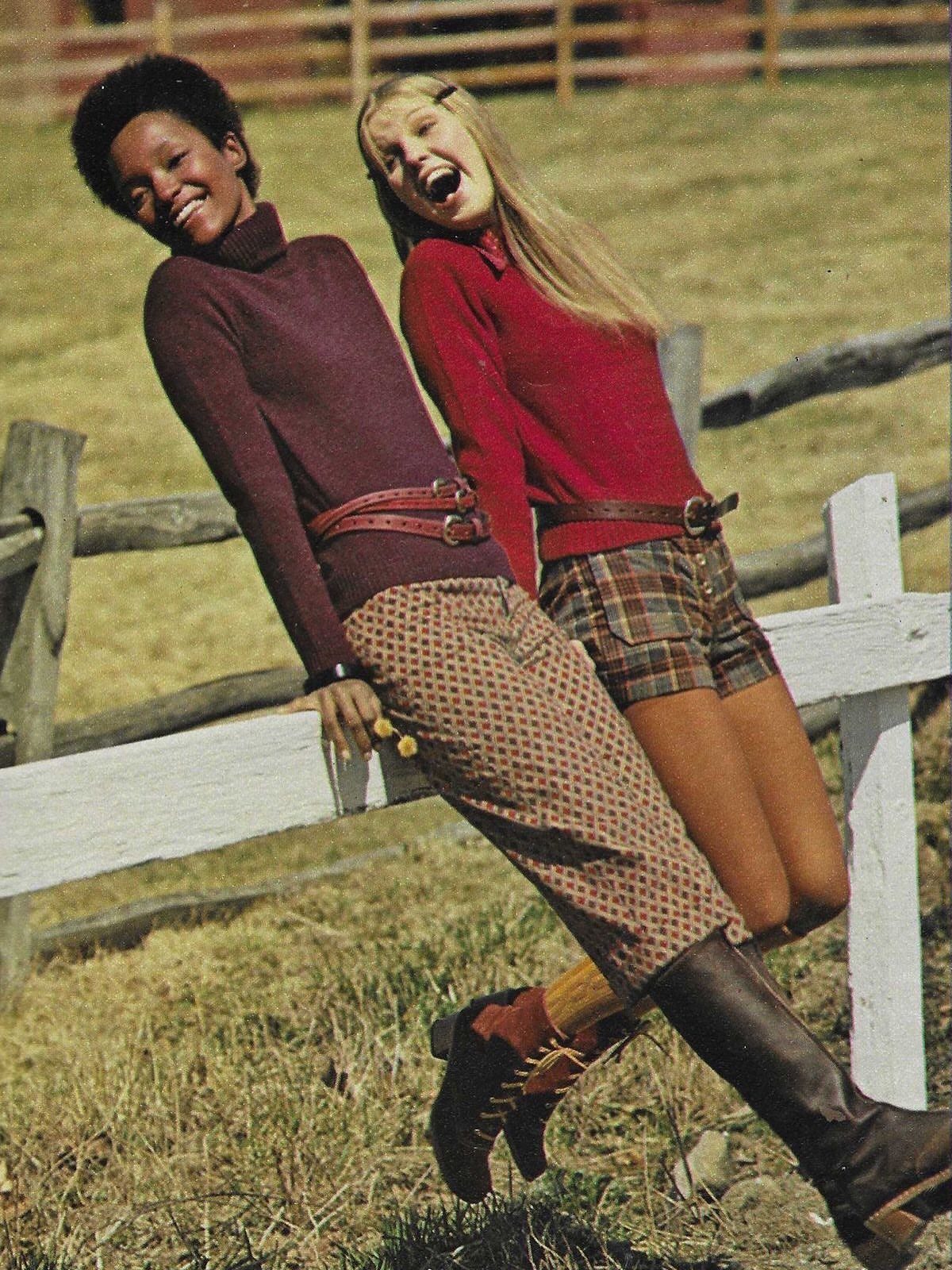
A thin-gauge turtleneck in a saturated color, tucked into high-waisted trousers with a belt, is the foundation half of a seventies look; the other half is the pattern in the pant or skirt.
The fit needs to be close enough that fabric does not bunch at the waistband when tucked.
I look for a merino or fine cotton blend with enough recovery that the neck does not sag after a few wears.
The turtleneck height matters: a single fold that sits at mid-neck is more flattering than a stack that swallows your chin. For summer weight, a sheer ribbed version in a bright works under a sleeveless dress or jumper.
13. Bohemian Lace Shawl
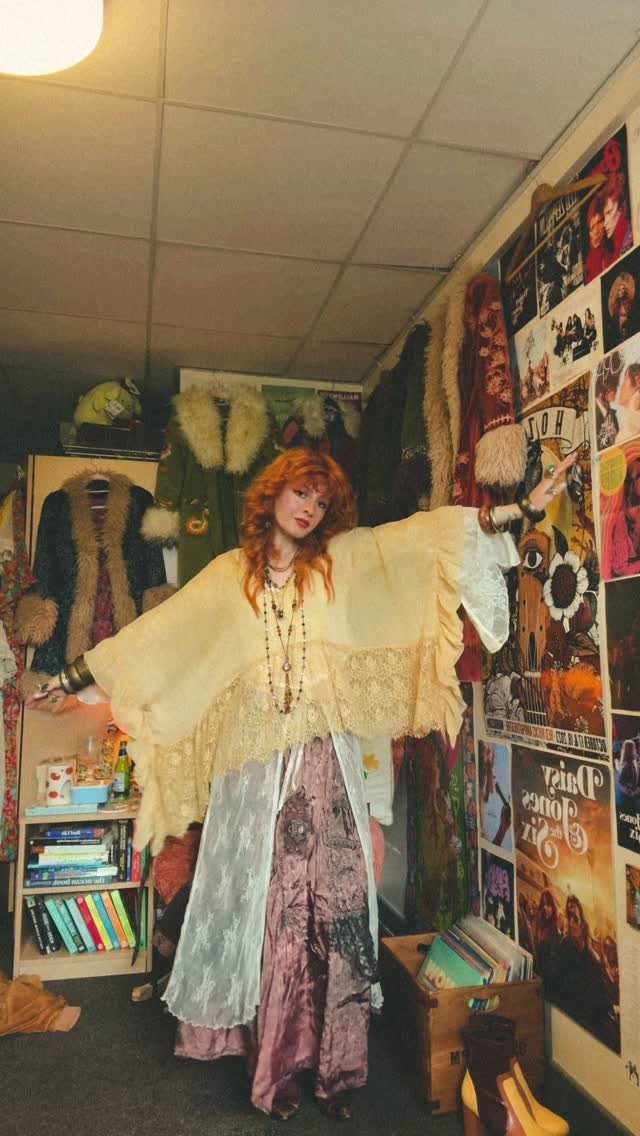
A sheer lace shawl in yellow adds a layer without weight, which is useful when the room is warm or the season is turning.
I would drape rather than wrap it; the vertical line down the back and the fringe movement when you move are what make the silhouette work.
The long patterned skirt underneath should sit at your natural waist so the shawl hem falls clear of the waistband.
For an everyday version, a cream or ecru lace in cotton blends costs less than vintage silk and holds up to hand washing. Avoid anything with synthetic shine; it reads costume against denim.
14. Velvet Pantsuit
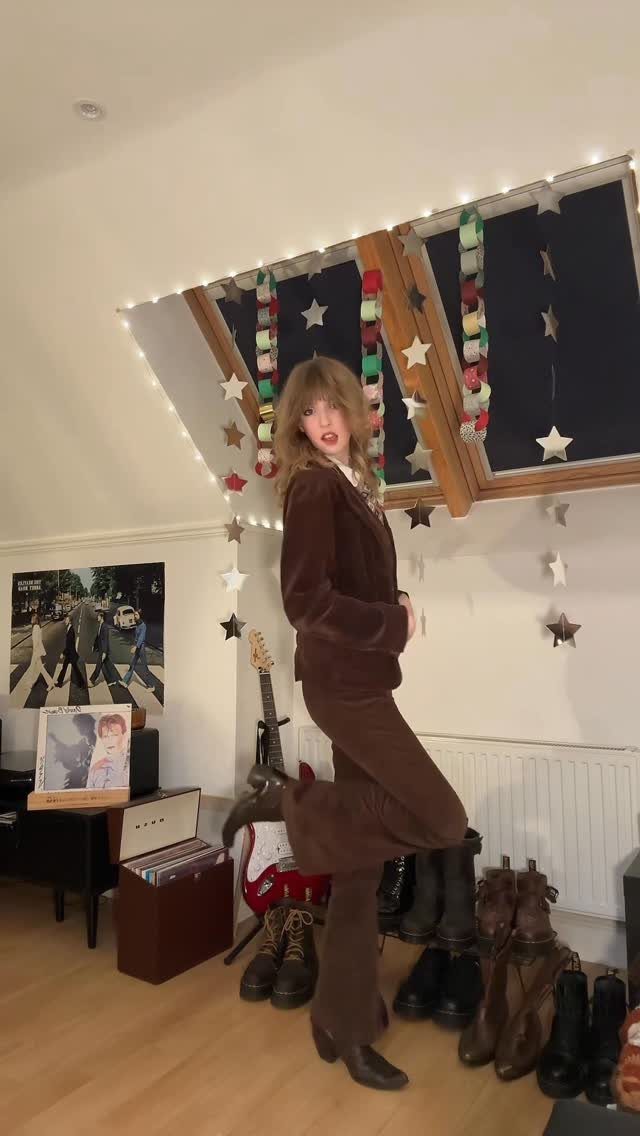
Brown velvet in a tailored cut with flared trousers gives you the structure of a suit and the softness of evening fabric at once.
The pile of velvet catches light differently from flat weave, so the color shifts as you move; this is part of why it photographs well.
I would keep the jacket single-breasted and fitted through the shoulders; double velvet bulk overwhelms most frames.
A cotton-backed velvet breathes more than polyester and resists crushing in a car seat. Wear with a thin turtleneck or a silk blouse in a tone that matches the shadow color of the velvet, not a competing bright.
15. Metallic Tunic with Go-Go Boots
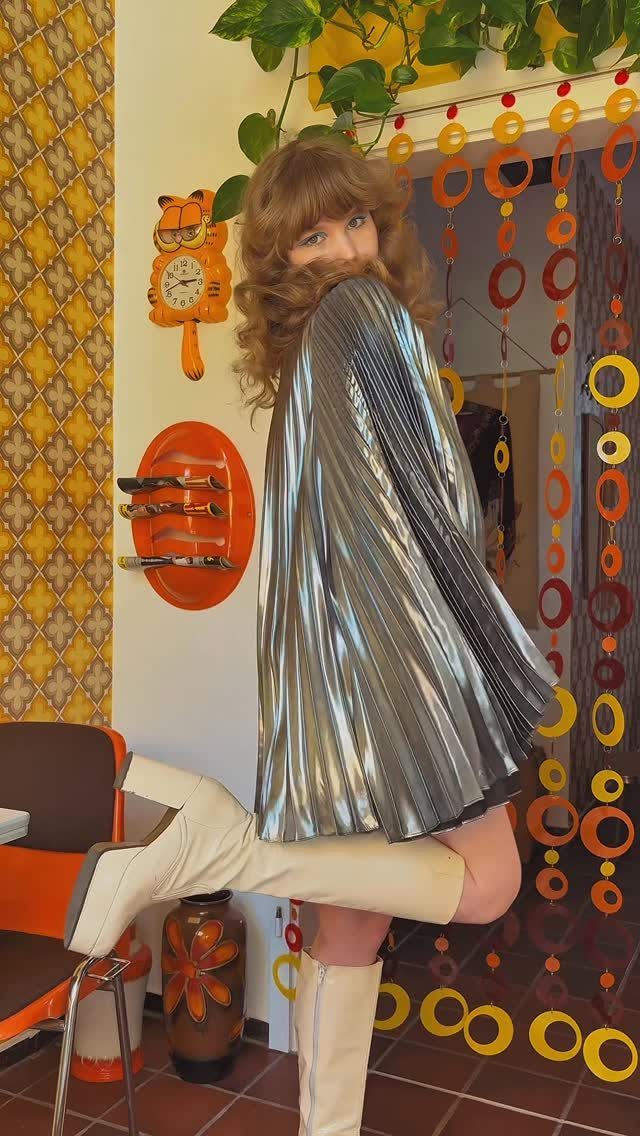
Silver pleated tunic with white go-go boots is the most literal disco reference here, and it works because the 2 pieces share a clean, graphic quality.
The tunic length should hit mid-thigh; shorter loses the tunic effect, longer competes with the boot height. Pleated metallic fabric needs a lining or a slip; the underside irritates skin and snags on rough surfaces.
I would choose a boot with a low heel and a zipper rather than the originals’ pull-on style; the shaft needs to fit your calf without gaping.
Limit this to one metallic piece per outfit; the boots are statement enough on their own.
16. Psychedelic Floral Mini Dress
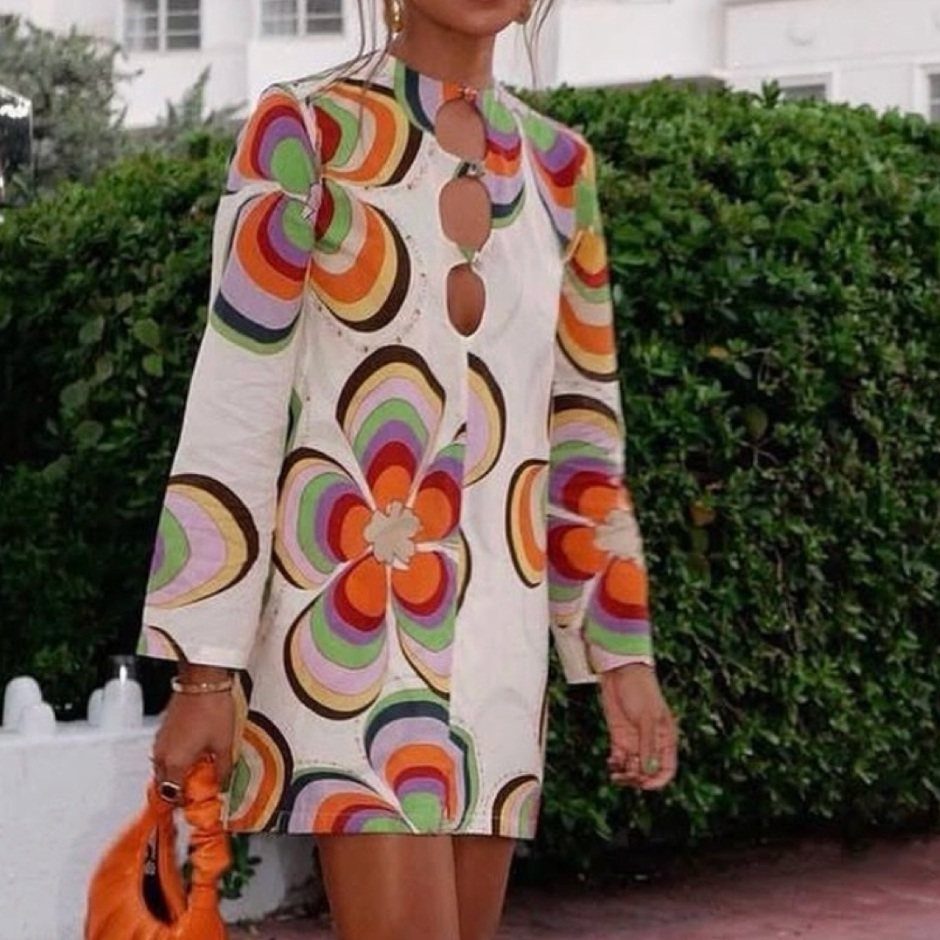
Long sleeves on a mini dress balance the leg exposure so the overall effect is shaped rather than bare.
The psychedelic floral here is scaled large, which reads better on a taller frame; petite wearers might look for a tighter repeat in a smaller bloom.
Keyhole cutouts at the front draw the eye to the neckline, so I would add a pendant or leave it clean rather than competing with a busy necklace.
For cooler weather, this layers surprisingly well under a shearling coat with tights and boots.
17. Embroidered Velvet Vest Outfit
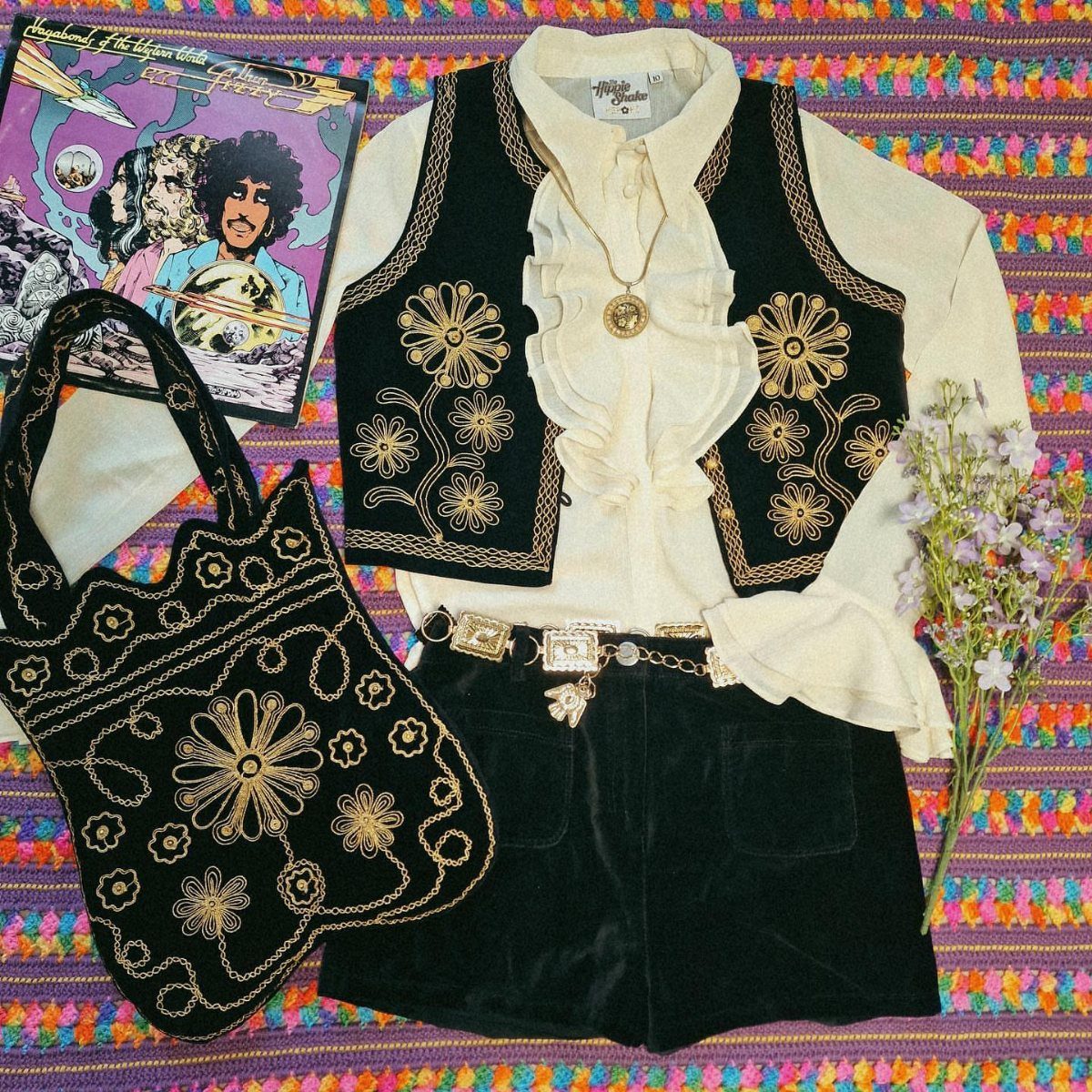
Embroidery on velvet adds texture that flat brocade cannot match, but the combination asks for simple companions or the outfit becomes heavy.
The white ruffled blouse here provides contrast and airiness; I would make sure the ruffle stops at the collarbone and does not continue down the front, or the vest detail disappears.
Velvet shorts in the same weight as the vest unify the look; satin or a lighter pile would read as mismatched.
A chain belt at the natural waist breaks the vertical and adds the period hardware without extra bulk. This is an occasion outfit rather than a daily one; the elements do not separate easily into other combinations.
18. Patchwork Knit Sweater
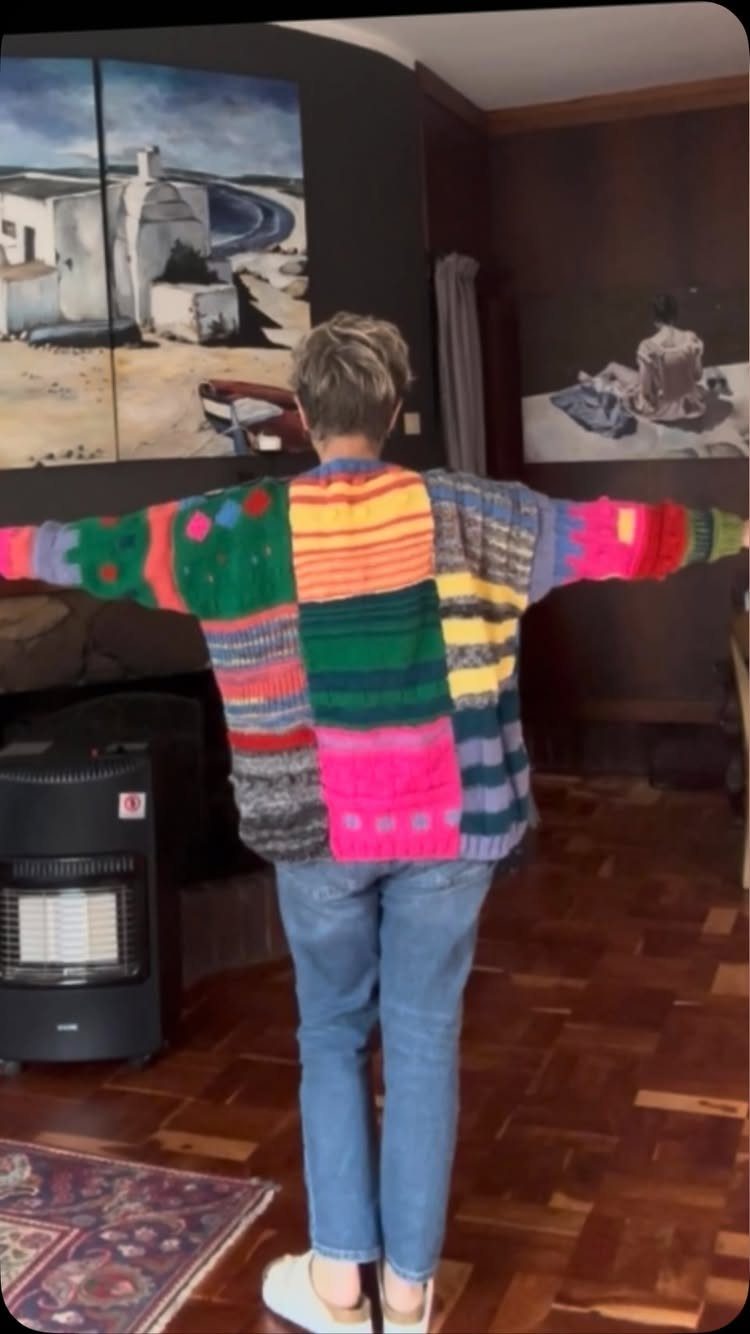
An oversized patchwork knit carries the handmade, communal feel of early seventies craft revival without requiring any actual knitting skill on your part.
The irregular color blocks draw the eye across the shoulders and down the sleeves, which makes this flattering on narrower frames that want horizontal presence.
Straight or slim jeans keep the proportions clean; wide-leg pants underneath create competing volumes and swallow your shape.
The cotton or wool-acrylic blend typical of these sweaters pills with friction, so I hand wash and dry flat, and I avoid wearing a crossbody bag against the front.
For a less bold version, a patchwork in muted earth tones reads as texture rather than statement.
19. Suede Mini Skirt Outfit
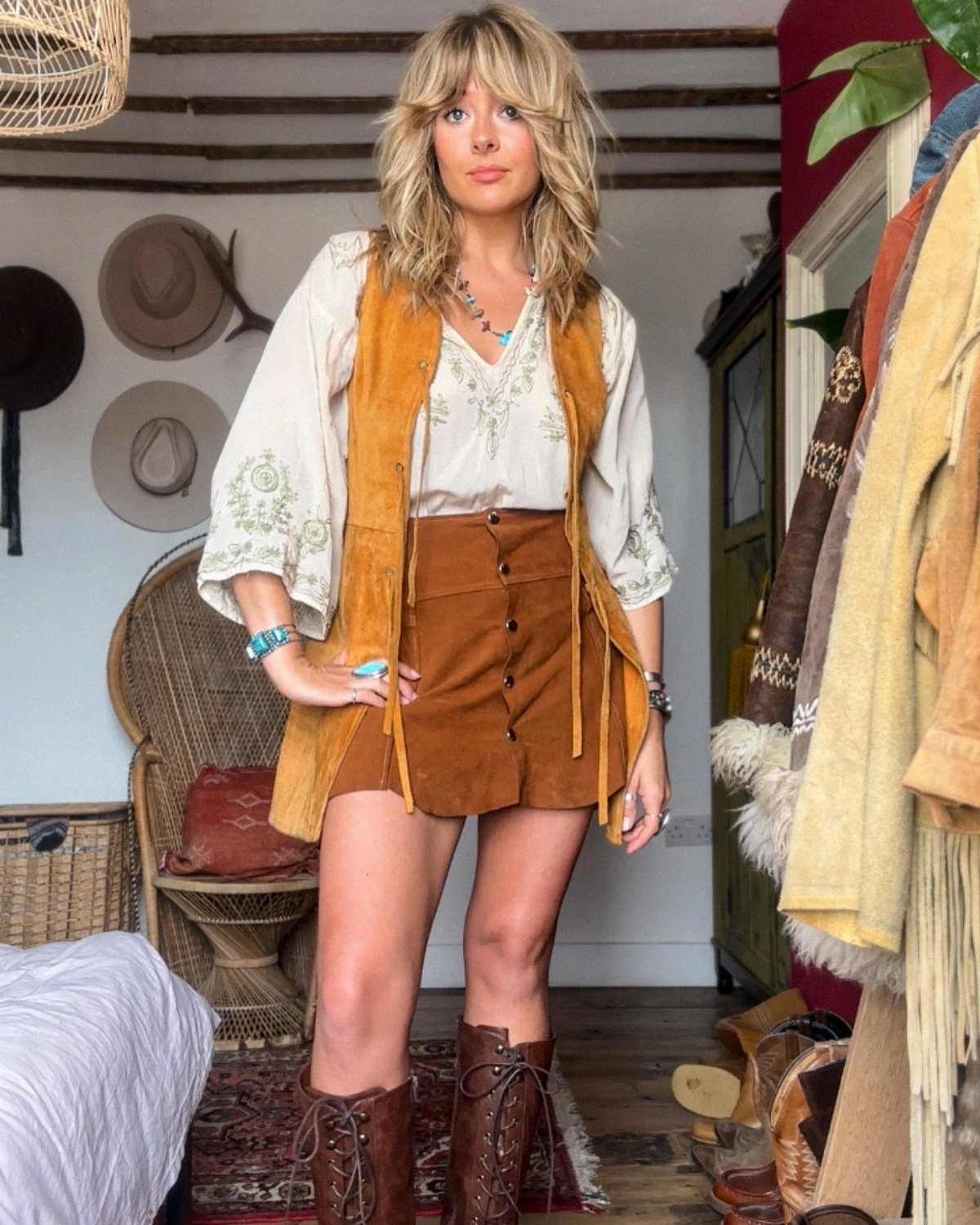
A button-front suede mini skirt carries the seventies in a single piece; the placket of functional snaps or buttons is the detail that separates it from any short skirt in brown fabric.
A suede mini skirt works best when you layer textures rather than colors, keeping the palette within one family: think an embroidered blouse with a tan vest, or a cream turtleneck under a caramel jacket.
Tall lace-up boots extend the leg line and ground the softness of suede with hardware; a lower shaft would leave the outfit bottom-heavy.
I would wear this with bare legs in spring or tights in fall, but the skirt length stays practical only for occasions where sitting cross-legged is not required.
20. Checkered Jumper Dress Outfit
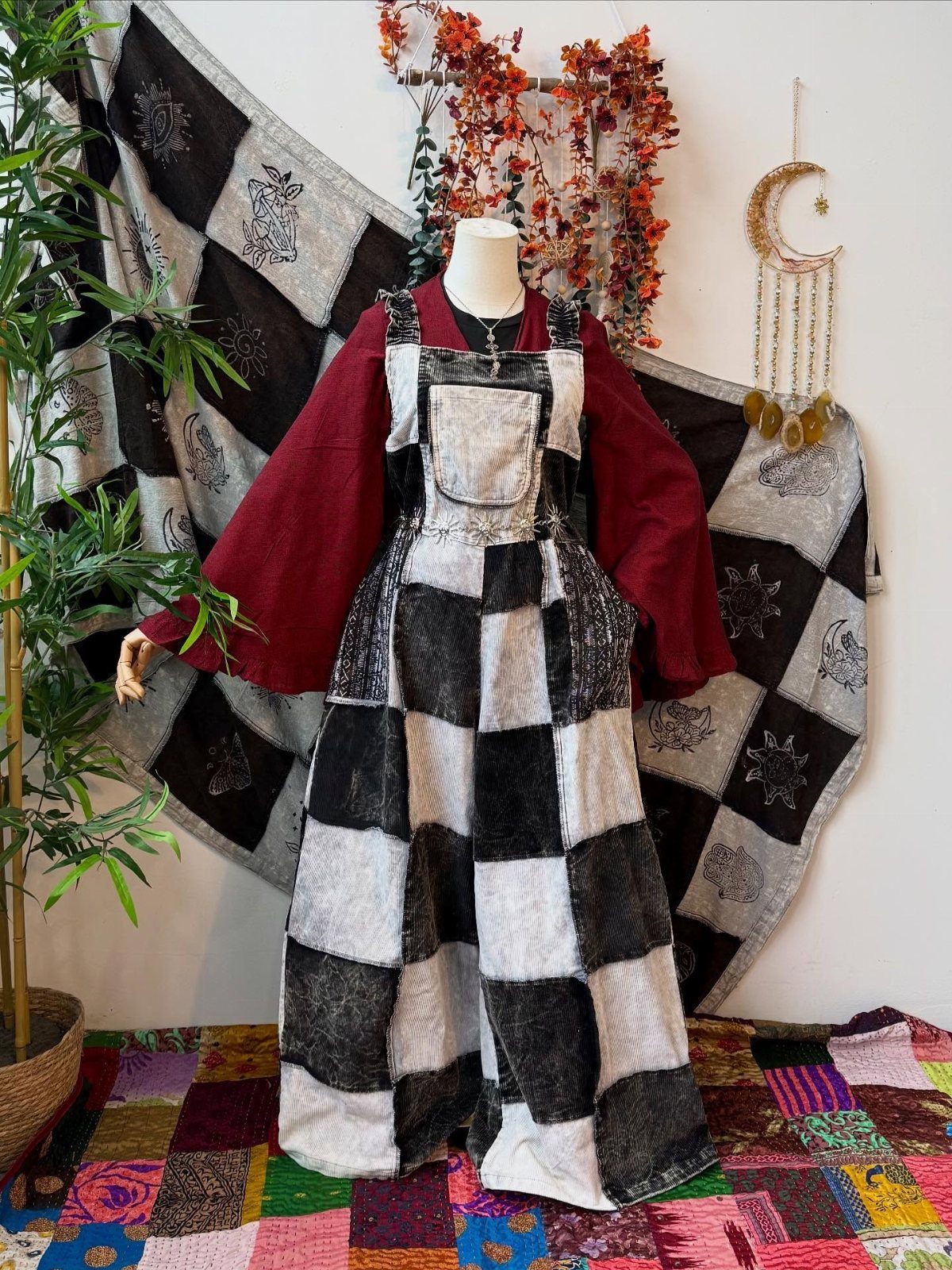
Patchwork check in black and white reads more artisan than racing flag because the squares vary in size and the edges are not crisp. The maroon blouse underneath adds warmth that a white or black layer would not provide.
A jumper dress needs a fitted underlayer; voluminous sleeves bunch at the armholes and distort the line.
I would look for a pinafore cut that sits flat across the bust rather than gathering there, since checkered fabric at the chest draws the eye and any pulling reads as a mistake.
This length, near the ankle, works with a low heel or flat; a higher shoe throws off the proportions.
21. Denim Mini Skirt and Vest
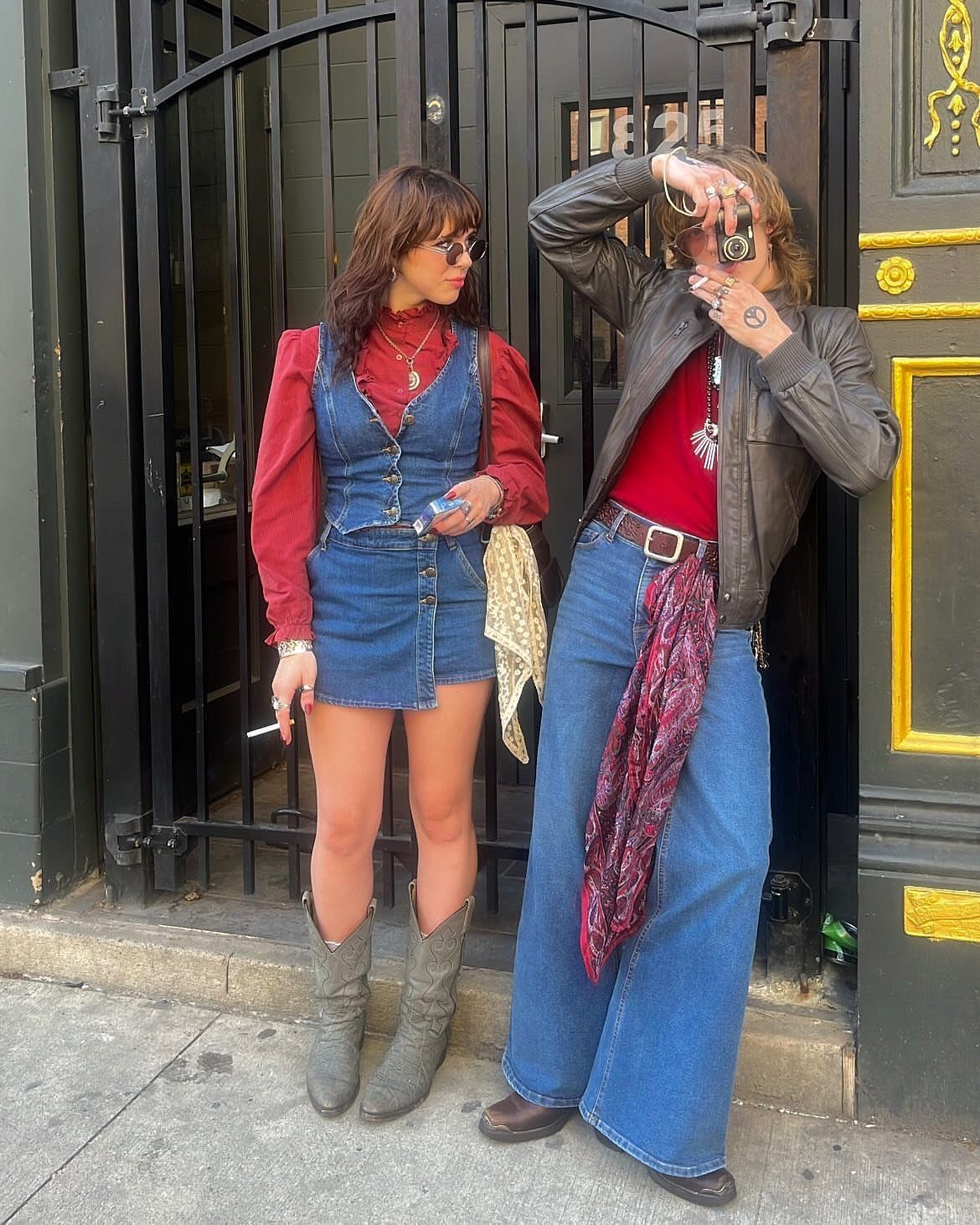
Matching denim vest and skirt in a medium wash with visible stitching gives you a set that functions as one piece or separates, which is more useful than a denim dress would be.
The red top underneath provides the single strong color that seventies styling often used as an anchor.
I would check that the vest skims rather than hugs the torso; denim without stretch does not forgive fit errors.
Tall boots with a slight heel keep the mini length from reading as casual; a flat sandal slides too far toward contemporary weekend wear. The set works best when the wash matches exactly; near-miss shades look accidental.
22. Headband and Patterned Blouse
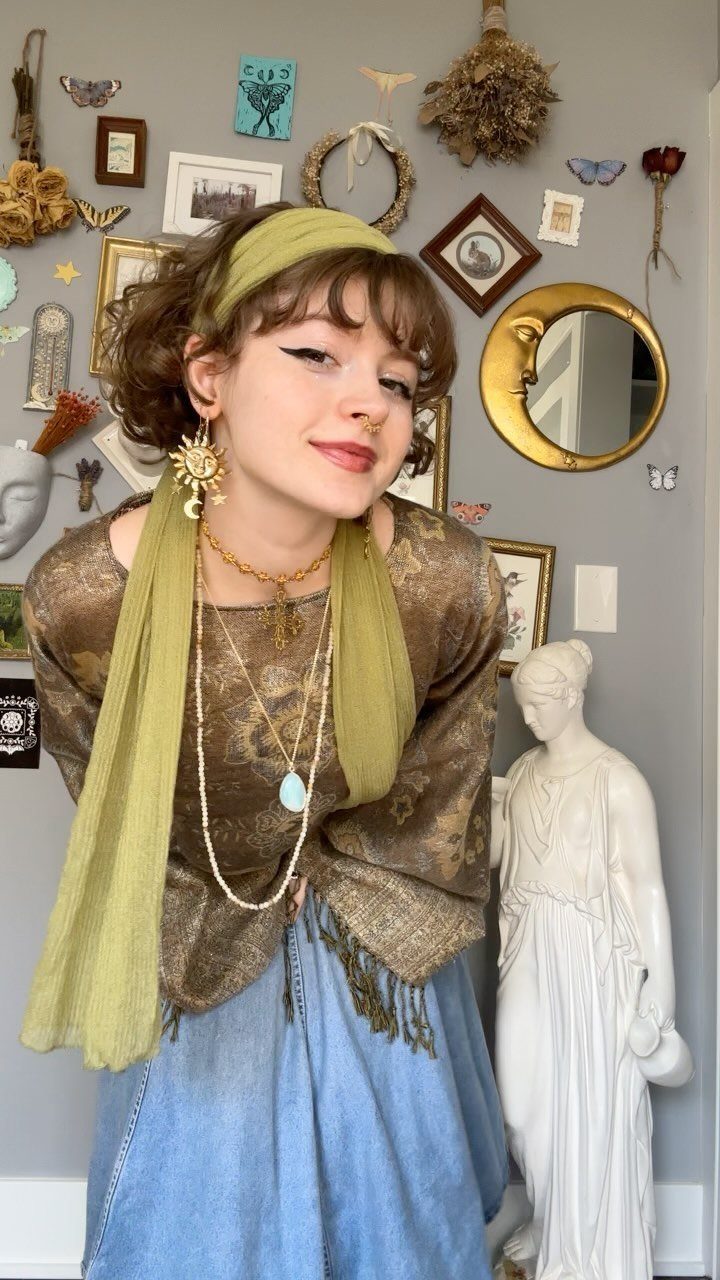
A long-tail headband in silk or cotton, knotted at the crown with ends trailing, is the seventies hair accessory that requires no particular haircut to work.
The green here picks up a minor tone in the blouse rather than matching it directly, which prevents the look from becoming too coordinated.
Layered necklaces at varied lengths fill the neckline without competing; I would keep metals consistent and avoid anything that sits at the same level as the blouse collar.
The patterned blouse itself should have a defined shoulder, either set-in or gathered, to balance the volume at the head. For everyday, a smaller print in the same color family reads as office-appropriate where this scale might not.
Accessorizing 70s Outfits
I look for a frame in gold or bronze metal, sized to hit at the cheekbone, not below.
For jewelry, a single chunky necklace or wide cuff in a metallic tone does more than several competing pieces. Statement earrings work if your hair is up or short; otherwise they tangle and read as effort.
A wide-brimmed hat needs proportion to your frame: the brim width should not exceed your shoulder width, or the silhouette turns theatrical.
I would choose felt over straw for weight and drape, and I would never pair it with fringe and suede in the same outfit; one textural statement per look is enough.
Modernizing 70s Fashion
The way to bring a seventies piece into now is to pair it with something that did not exist then.
A true 70s jean sits higher on the waist, flares below the knee, and carries some fade through the thigh; the hip cuts looser than most denim now, which is the detail that reads vintage rather than retro.
Modern flares often fit tighter through the seat and thigh, which changes the line entirely. I would add heeled loafers or chunky boots rather than platforms for everyday; the height is there without the instability.
A faux fur coat over this works for evening, but for day I would swap in a shearling coat in cream, worn open over a thin turtleneck. One piece does the period work, the rest stay plain.
Occasions for 70s Outfits
A seventies outfit scales to its setting by choosing which half of the decade you reference. Early seventies craft revival, the fringe and patchwork and crochet, suits outdoor festivals and daytime gatherings where texture and handmade detail feel appropriate.
The metallic tunic and go-go boots belong to late disco and only to night, and only to occasions where standing out is the point.
For a themed party, you have permission to layer references that would never coexist historically: paisley with sequins, velvet with denim.
I would still keep the palette in one family, rust and olive and cream, so the clash reads as intentional.
The wrap dress and maxi dress from the list both work for occasions where you need to look dressed without costume: a dinner, a gallery opening, a date where the seventies reference is yours to recognize or miss.
The prairie maxi with boots is more specific and asks for the right setting; the wrap dress in a fluid jersey passes anywhere.