
Fabric type decides comfort more than silhouette does once humidity enters the picture, because sweat that can’t evaporate just sits against your skin.
These 10 outfits range from a single cotton-shorts-and-tee combination to full linen trousers and a tailored vest, covering everything from errand days to outdoor events.
The one variable worth checking before you dress is whether you’re moving between air-conditioned spaces or spending hours in direct sun, since those two conditions call for opposite fabric logic.
1. Lightweight Summer Dresses
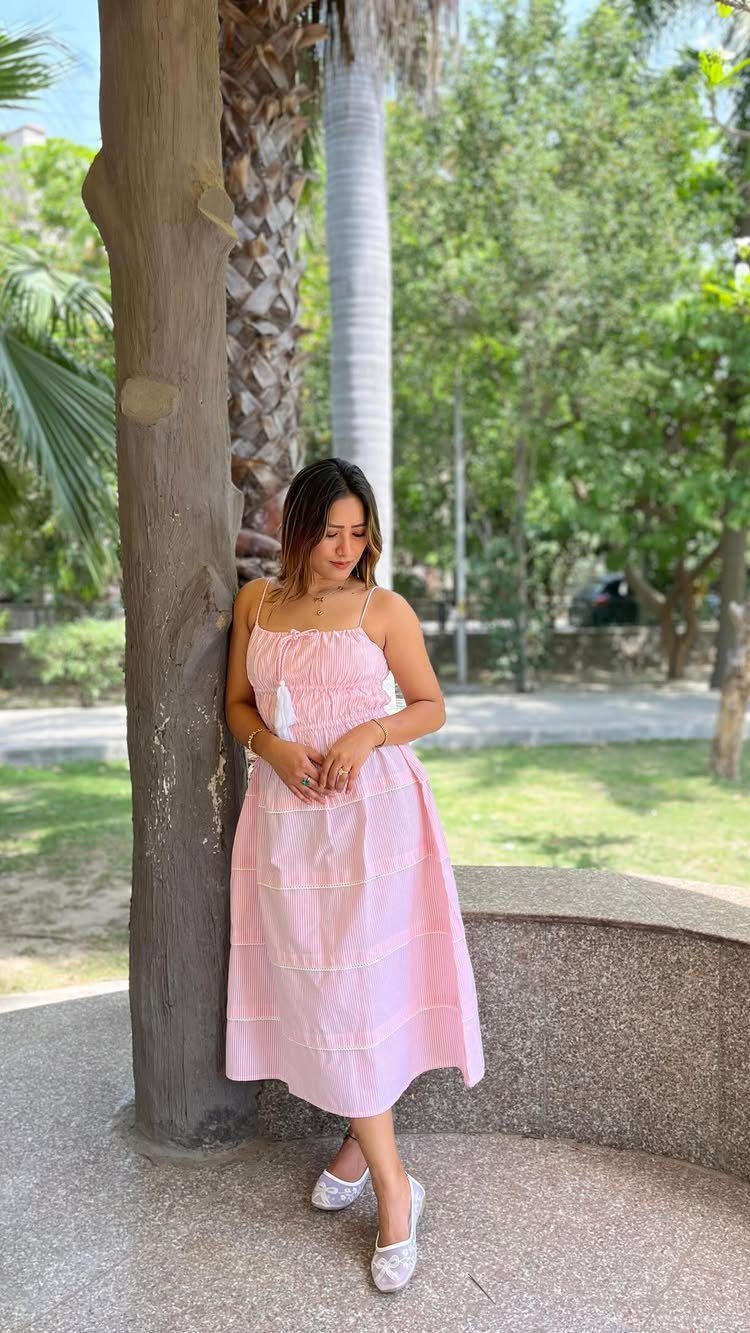
A single dress is the lowest-effort hot-weather outfit there is. The striped midi here works because the coverage actually keeps you cooler than shorts in direct sun, and the relaxed silhouette lets air move.
Fit through the shoulders is the one thing worth checking. Once that’s right, the dress does everything else.
2. Cotton Shorts Outfit
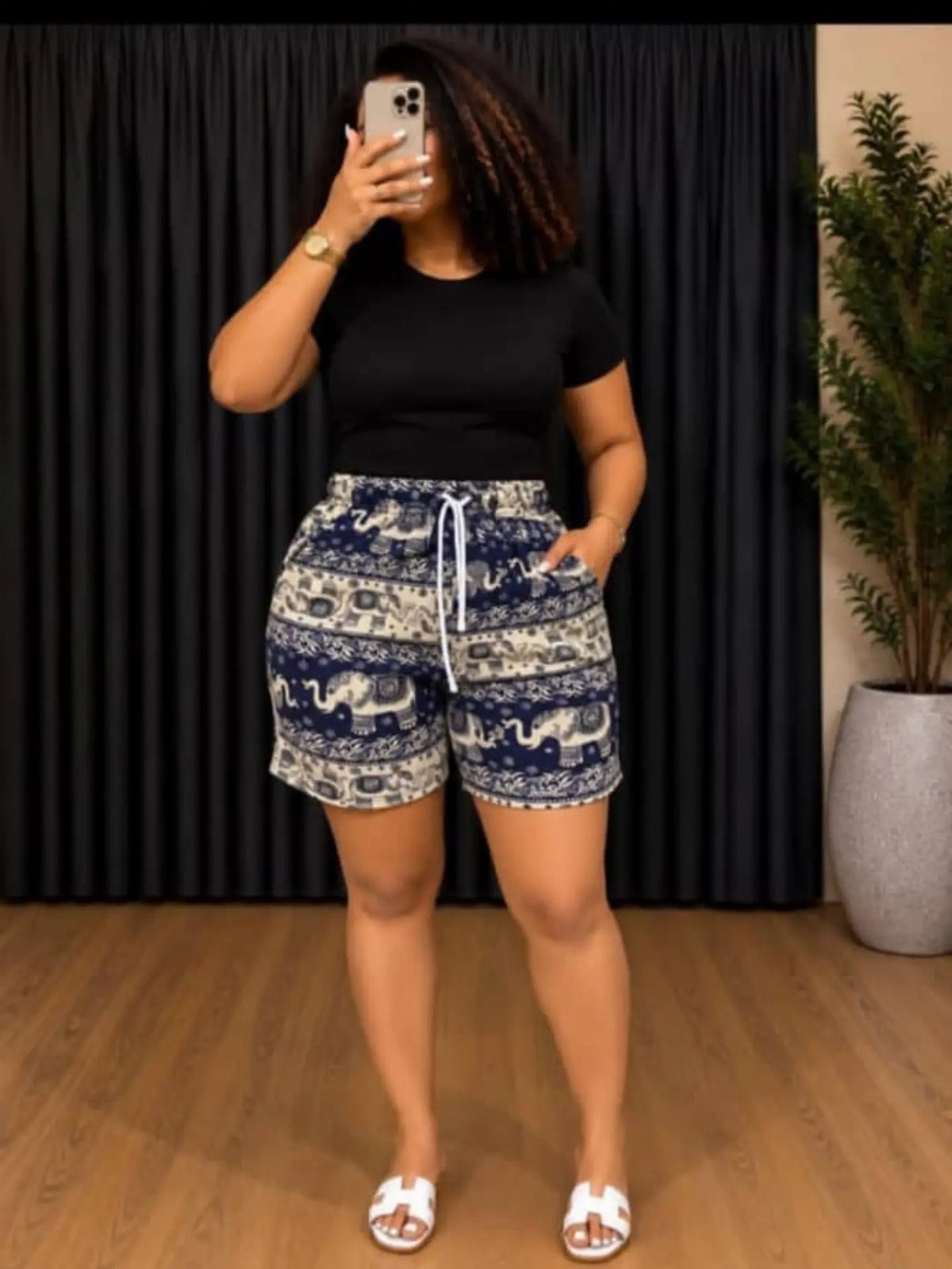
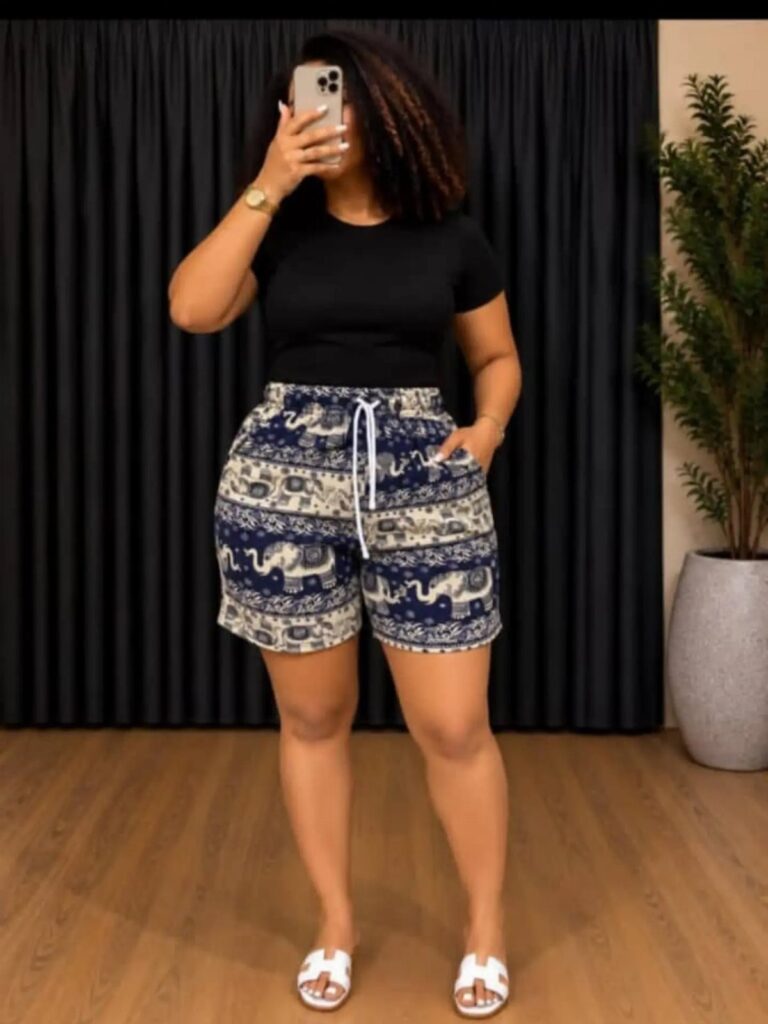
Cotton shorts and a fitted t-shirt are the default casual hot-weather outfit for good reason. Cotton breathes, washes easily, and stays comfortable through a long errand day in a way that synthetic fabrics simply don’t.
A bold print does the work of styling the whole outfit, so the top can stay plain.
3. Printed Summer Outfits
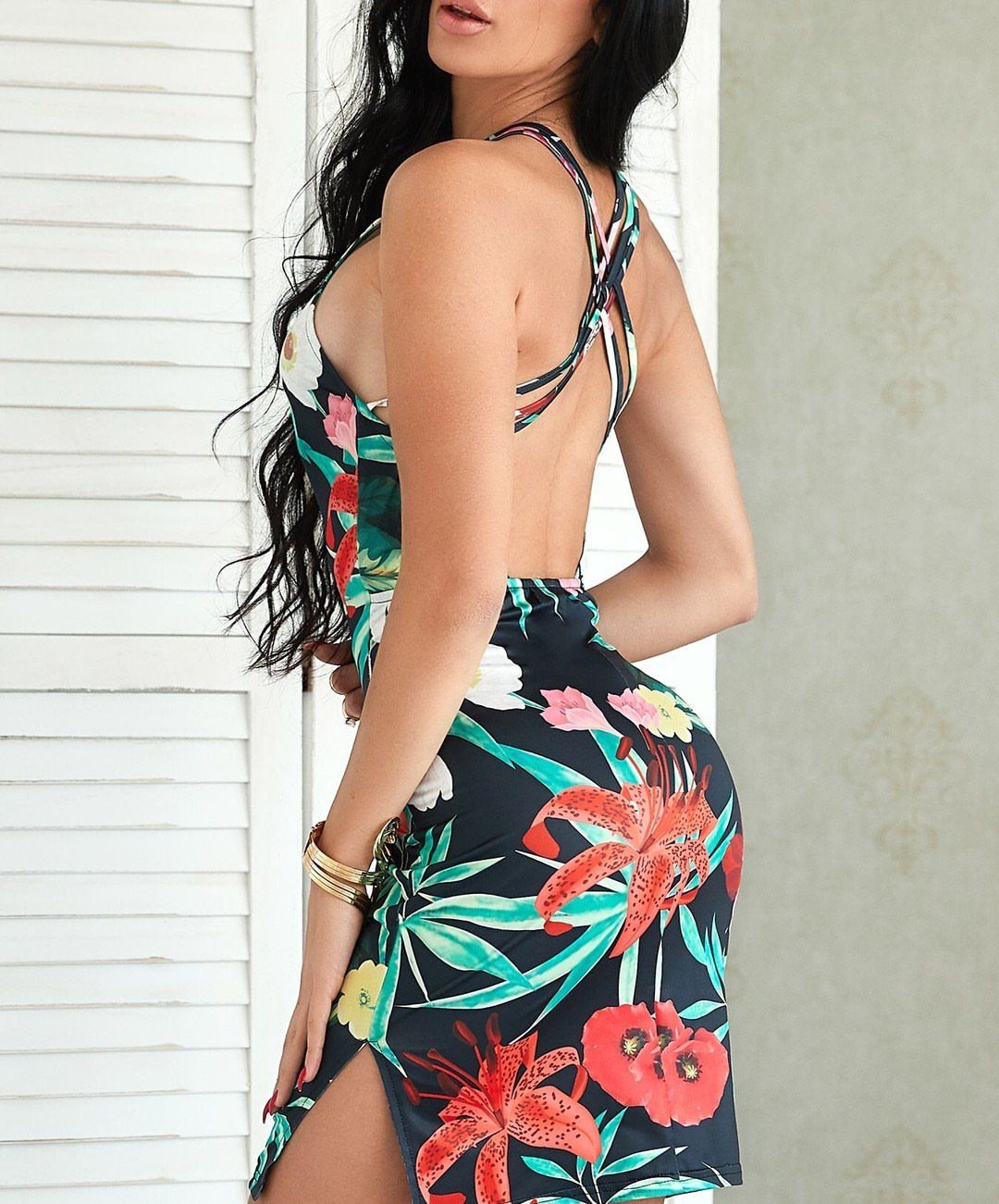
Prints do the work that accessories usually handle.
A black floral dress like this one has enough visual interest that it needs nothing added, which is exactly what you want on a hot day when you’d rather not layer on jewelry.
Black reads more polished than a white or pastel base, and a side slit and open back add ventilation without changing the silhouette.
4. Casual Summer Outfits

Wide-leg trousers in a lightweight fabric, paired with a simple knit top, land somewhere between put-together and effortless. That balance is what makes the combination work for almost any casual outing.
A sun hat earns its place here practically: brim coverage keeps your face and neck out of direct heat. Cream and neutral tones also reflect more light than dark colors, which matters once temperatures climb.
5. Capri Pants Outfits
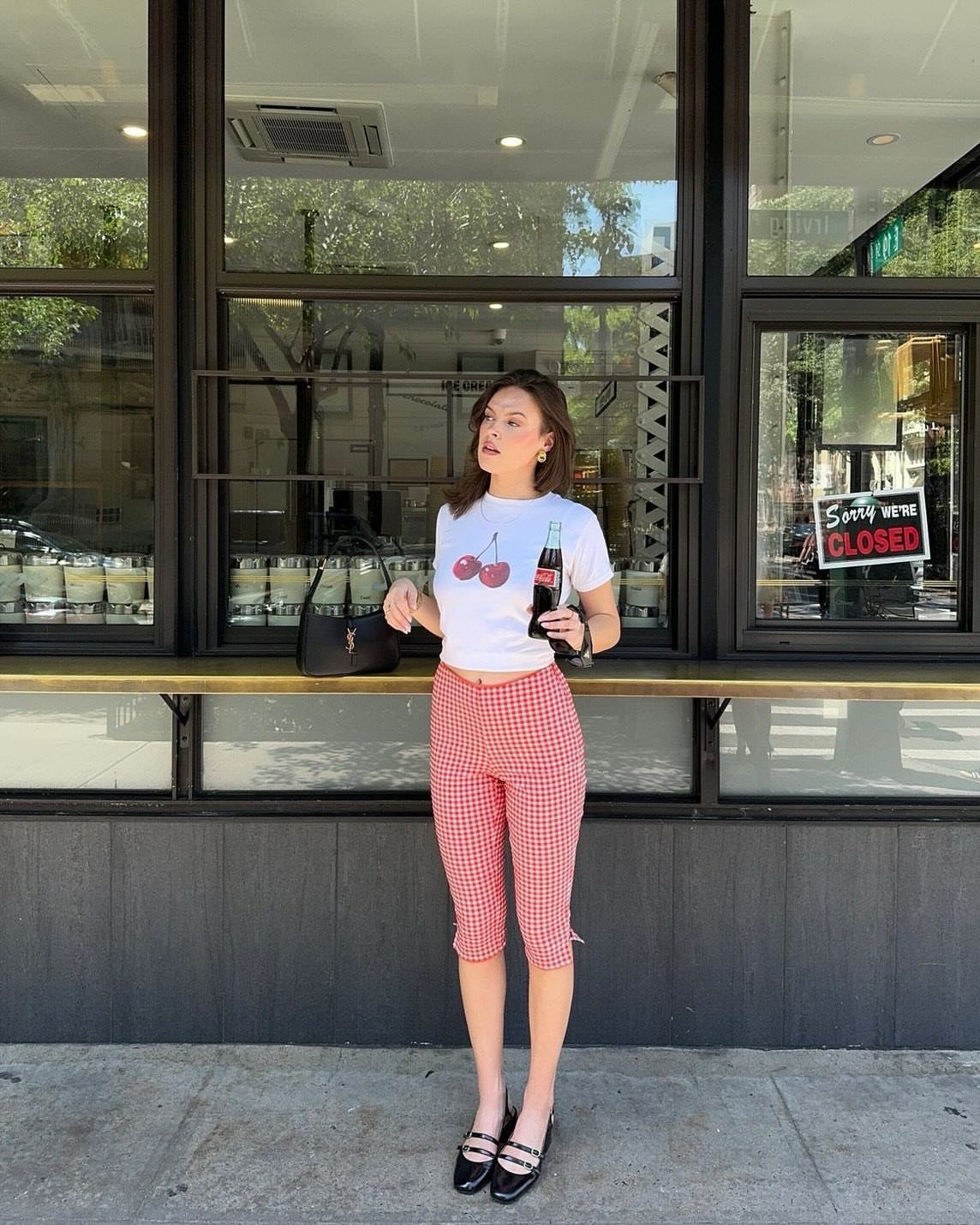
Capri pants split the difference between shorts and full trousers, which makes them genuinely useful in heat.
They work especially well for anyone who finds shorts impractical at the lengths currently on the market.
6. Matching Sets
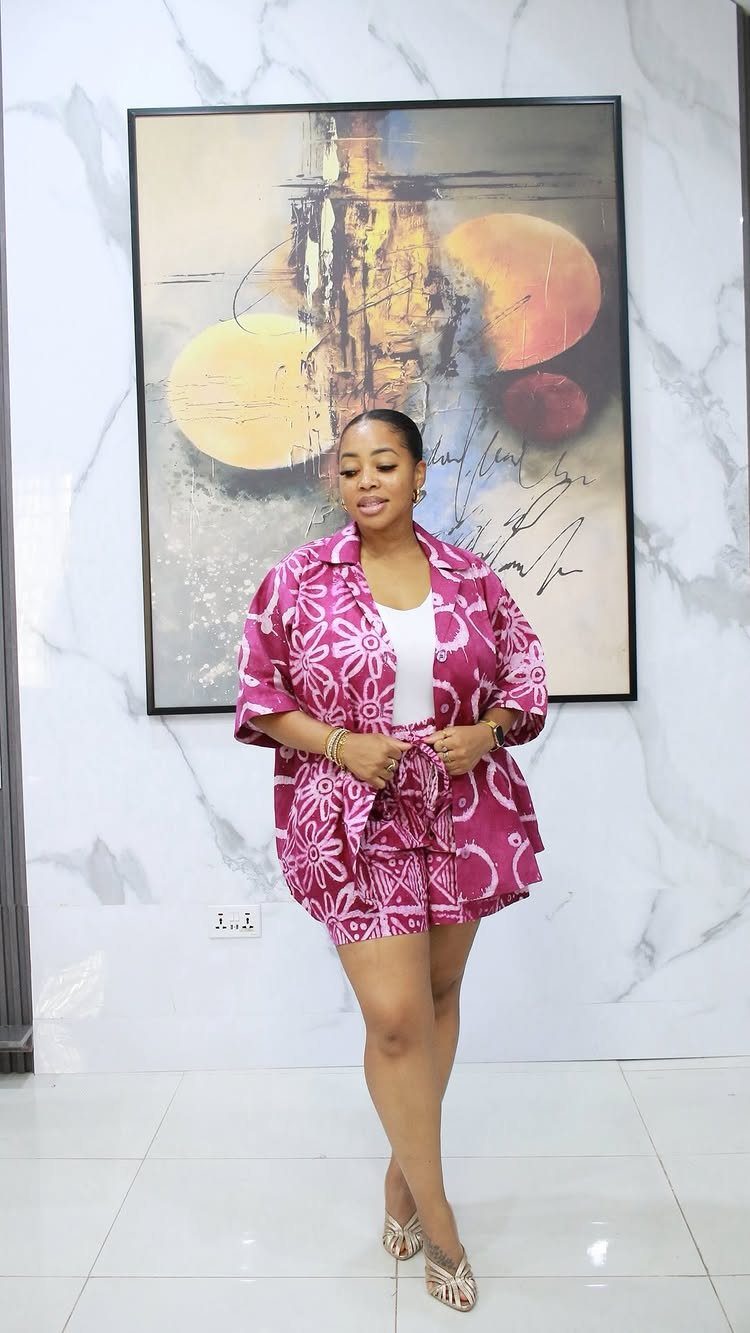
Matching sets earn their place in a hot-weather wardrobe partly because they solve the outfit question before you’re fully awake. A floral shirt-and-shorts set worn together, as here, looks intentional with almost no effort.
The more useful thing is that both pieces work separately later: the shorts with a plain tank, the shirt over a swimsuit or tied at the waist. One purchase, several outfits.
7. Tailored Vest Outfit
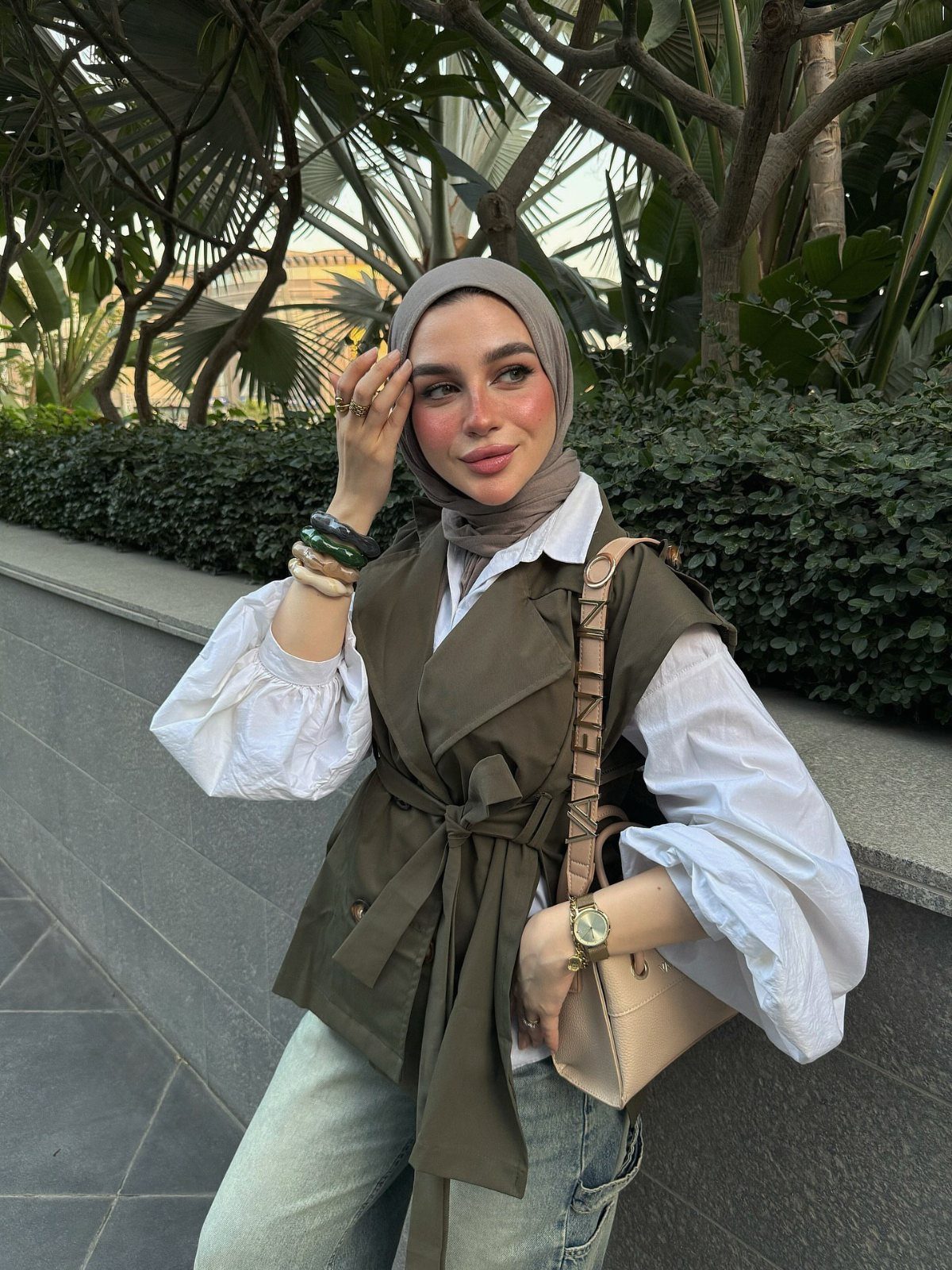
A tailored vest adds structure without adding warmth, which is what makes it work in summer.
Worn over a white blouse with jeans, as here, it gives the outfit a polished edge that a jacket would close off. The blouse sleeves stay light and loose; the vest handles the visual weight instead.
Olive is one of those neutrals that reads richer than beige without being difficult to pair, so the whole outfit stays effortless despite looking put-together.
8. Casual Blazer Set
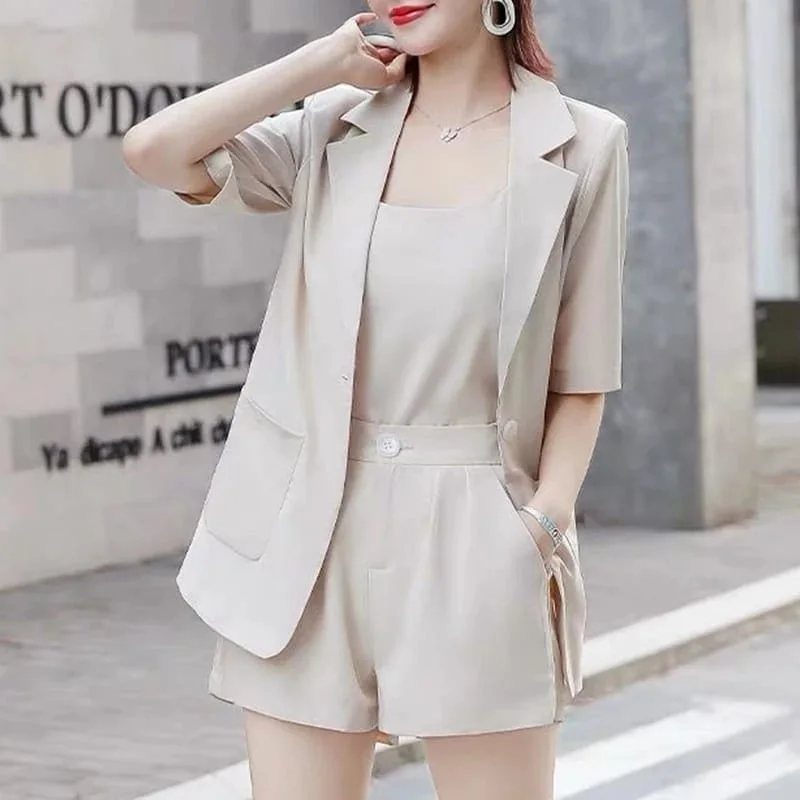
Short sleeves on a blazer are what turn this from an office look into a summer outfit.
The matching shorts pull the set into something more casual than suiting, and beige keeps it from reading too formal for outdoor wear. That combination sits comfortably between dressed-up and relaxed without much effort on your part.
Wear it together for the most polished result, or split the pieces later the way the matching sets entry covers.
9. Linen Blouse and Trousers
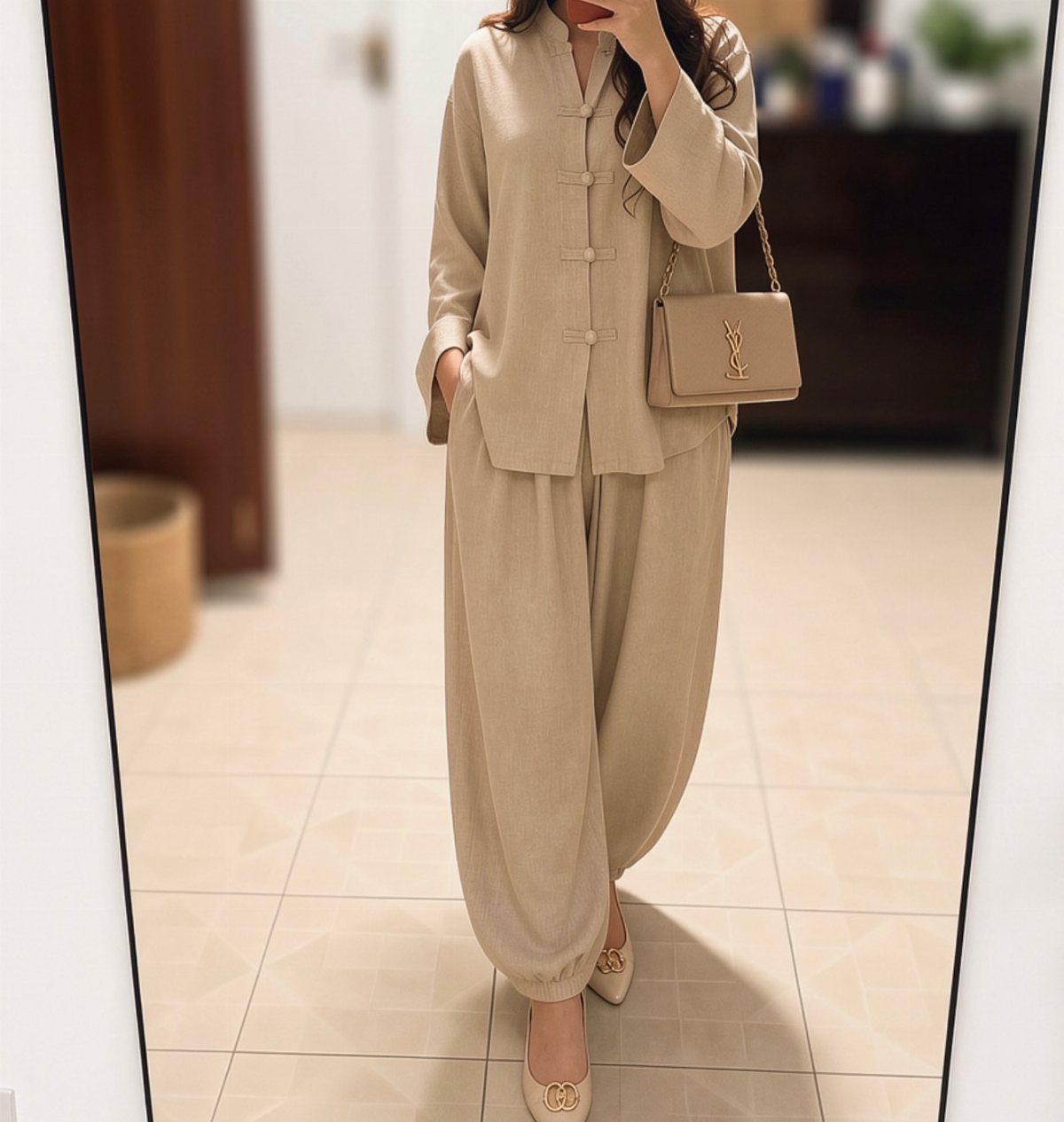
Linen earns its reputation for hot weather. The fabric breathes, wrinkles with wear rather than clinging, and gets softer each time it’s washed.
A matching blouse and wide-leg trouser in the same beige keep the look cohesive without any accessorizing.
Loose trousers in linen are genuinely comfortable in heat in a way that fitted pants rarely are, and the wide leg moves well when you walk.
One neutral bag completes it.
10. Outdoor-event Outfit
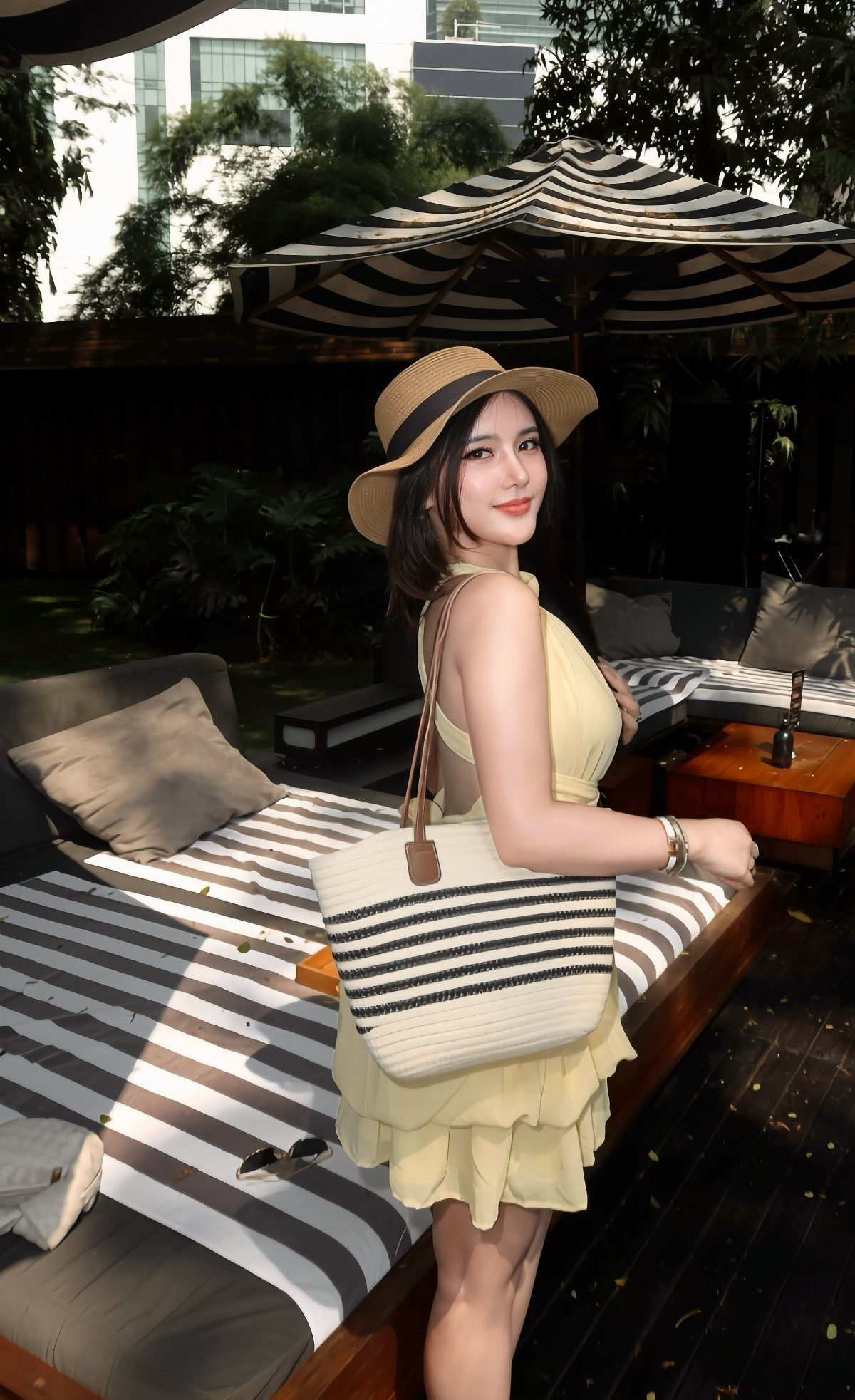
For an outdoor event, the outfit itself is sun protection.
A yellow ruffled dress and straw hat work here because the hat is doing real work, keeping your face and neck shaded through hours of direct sun. The striped tote leaves your hands free.
Light colors reflect heat rather than absorb it, and a brimmed straw hat is more effective than sunscreen alone for extended time outdoors.
Plan for Humidity and Sweat
Humidity changes the calculation because sweat evaporates more slowly when the air is already saturated. Airflow becomes more important than absorption in that condition.
Cotton absorbs moisture well, which feels cooling when the air is dry enough to carry that moisture away.
In high humidity, a quick-drying fabric like a polyester or nylon blend may actually feel more comfortable, because it moves sweat off your skin rather than holding it there.
The 2 approaches work differently, and neither is universally better. Match the fabric to the actual conditions you’re dressing for.
Bamboo, rayon, and linen blends also handle humidity reasonably well. UPF-rated fabrics add sun protection on top of moisture management, which is worth considering if you’re spending hours outside rather than moving between air-conditioned spaces.
Choose Fabric by Construction
Fiber content is only part of what makes a fabric breathable. How it’s woven matters just as much.
An open weave allows air to move through the cloth itself, not just around it.
Linen’s weave is naturally more open than most cottons, which is a large part of why it performs so well in heat even when cut into a full-length trouser or wide sleeve.
A tighter weave in the same fiber traps more warmth. Brushed cotton is one obvious example: the fiber is identical to a lightweight summer shirt, but the finish turns it into something you’d wear in fall.
Lighter, smoother textures also work better in air-conditioned environments, where the goal shifts from ventilation to not feeling chilled.
Coverage Can Help in Heat
Full coverage and staying cool are not in conflict if the silhouette is right. A loose, flowing shape circulates air around your body continuously, while fitted clothing traps heat against the skin regardless of fiber.
Midi and maxi lengths also shade the skin that would otherwise be in direct sun, which reduces heat absorption over a long outdoor day. That’s a real comfort advantage, not just a style preference.
One practical note for dresses and skirts of any length: breathable anti-chafing shorts worn underneath remove the one friction problem that coverage creates, so length stays genuinely comfortable rather than just theoretically cool.
Frequently Asked Questions
What’s the best thing to wear in hot weather?
A loose, lightweight dress or wide-leg trousers in linen or cotton will keep you cooler than most other options. Both fabrics breathe, and a relaxed silhouette lets air circulate around your body rather than trapping heat against your skin.
How can I stay comfortable in summer without giving up style?
Fabric and silhouette do most of the work: breathable materials in a loose, flowing shape circulate air continuously, while fitted clothing traps heat regardless of what it’s made from.
Light colors help in direct sun, and a wide-brimmed hat adds real shade for outdoor time rather than just finishing the look. Keeping accessories minimal removes both weight and bulk on the hottest days.
What are some versatile outfit ideas for hot days?
Matching sets are one of the most flexible options: worn together they look intentional, and each piece also works separately, so one purchase covers several outfits.
A midi dress in a bold print handles styling on its own and needs almost nothing added.
How can I make my summer outfit look cute but practical?
A bold print or a strong color does the same work as a stack of accessories, so the outfit looks pulled-together without any extra effort.
Keeping the silhouette loose and the fabric breathable means comfort doesn’t cost you the look. For outdoor events especially, a brimmed hat and a bag that keeps your hands free make the outfit function as well as it looks.
Can I wear cute outfits during rainy but hot weather?
Yes, though the fabric choice shifts. In hot, wet conditions you want something that dries quickly rather than absorbing moisture, so a polyester or nylon blend tends to outperform cotton on a rainy but warm day.
A relaxed silhouette still works for airflow; the main adjustment is footwear suited to wet pavement and avoiding anything that gets heavy when damp.