The ideas below move from small accents to investment pieces like embroidered dusters and hand-stitched jackets, with most falling in the mid-range of cotton voile dresses and patchwork skirts you can wash repeatedly without losing shape.
I would check that off-the-shoulder elastic by raising my arms fully before buying; a grip that slips turns a maxi dress from coverage into constant adjustment.
1. Peasant Blouses
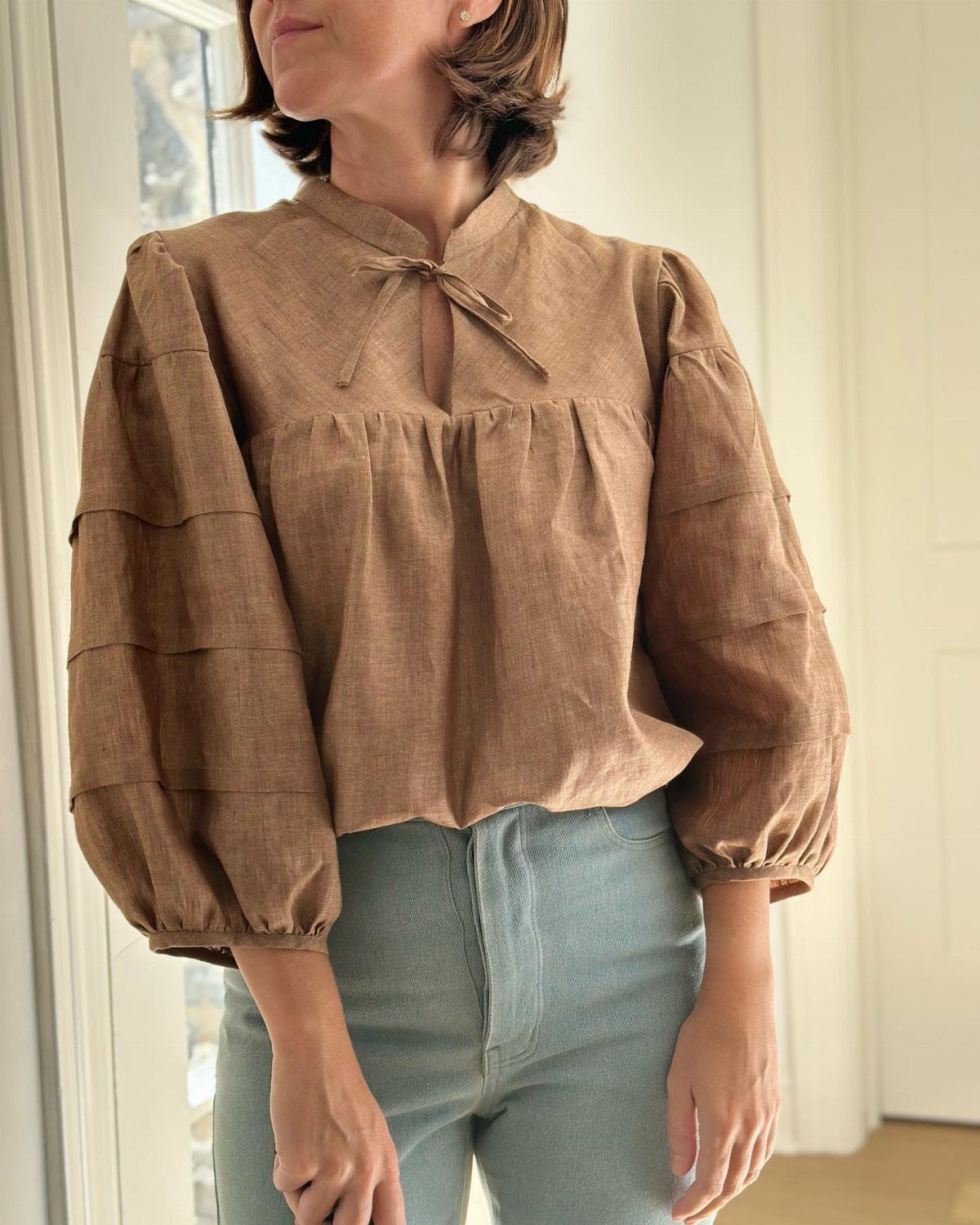
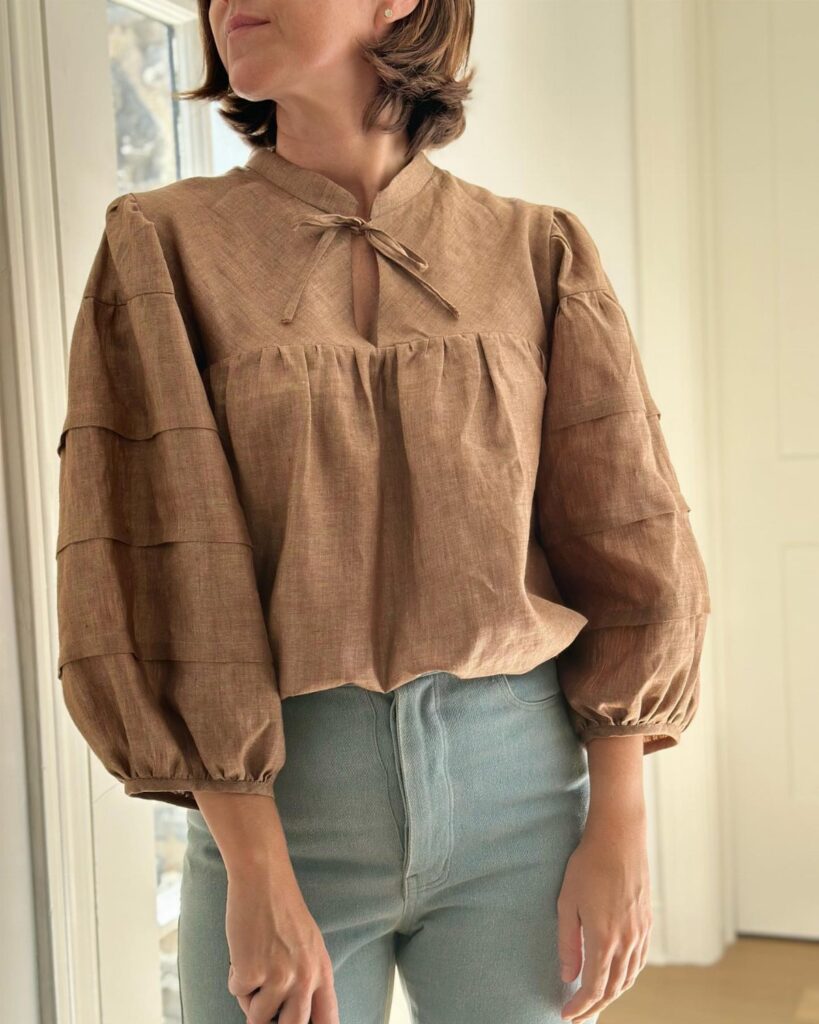
A peasant blouse gives you volume where you want it without adding bulk where you don’t.
I look for cotton or linen blends that hold the shape through washing; synthetic versions go limp after a few wears. Tuck it fully or do a half-tuck at the front waistband to keep the proportions clean.
2. Tassels and Fringes
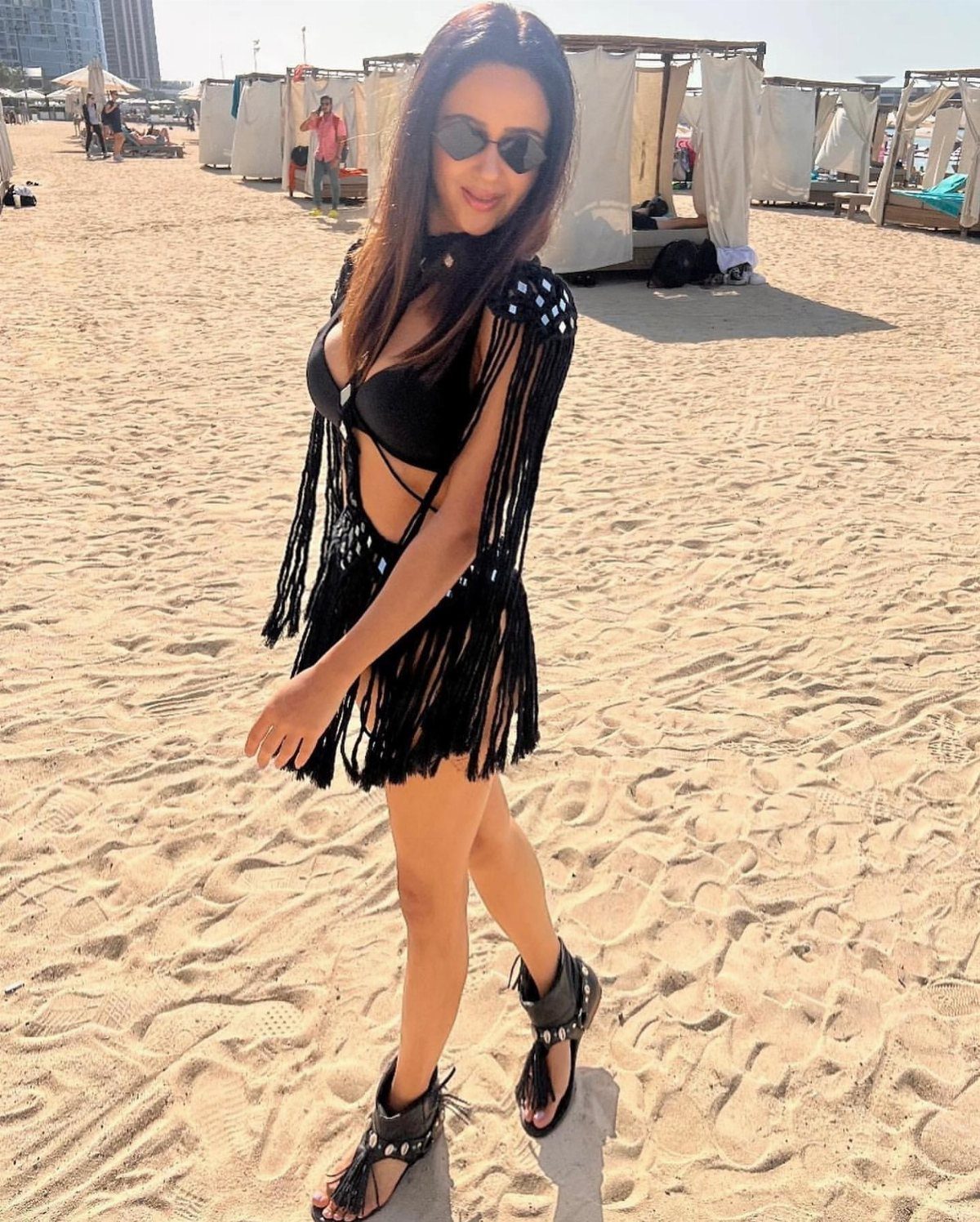
Fringe moves when you move, which is why it keeps showing up in boho styling rather than fading out.
A single fringed element, a bag or sandal, does the same work for everyday wear that a full fringed garment does on vacation.
I find that leather fringe holds its shape longer than suede, which mats and thins. For a budget option, cotton fringe on a scarf or belt gives the motion without the maintenance.
3. Kimonos and Lightweight Dusters
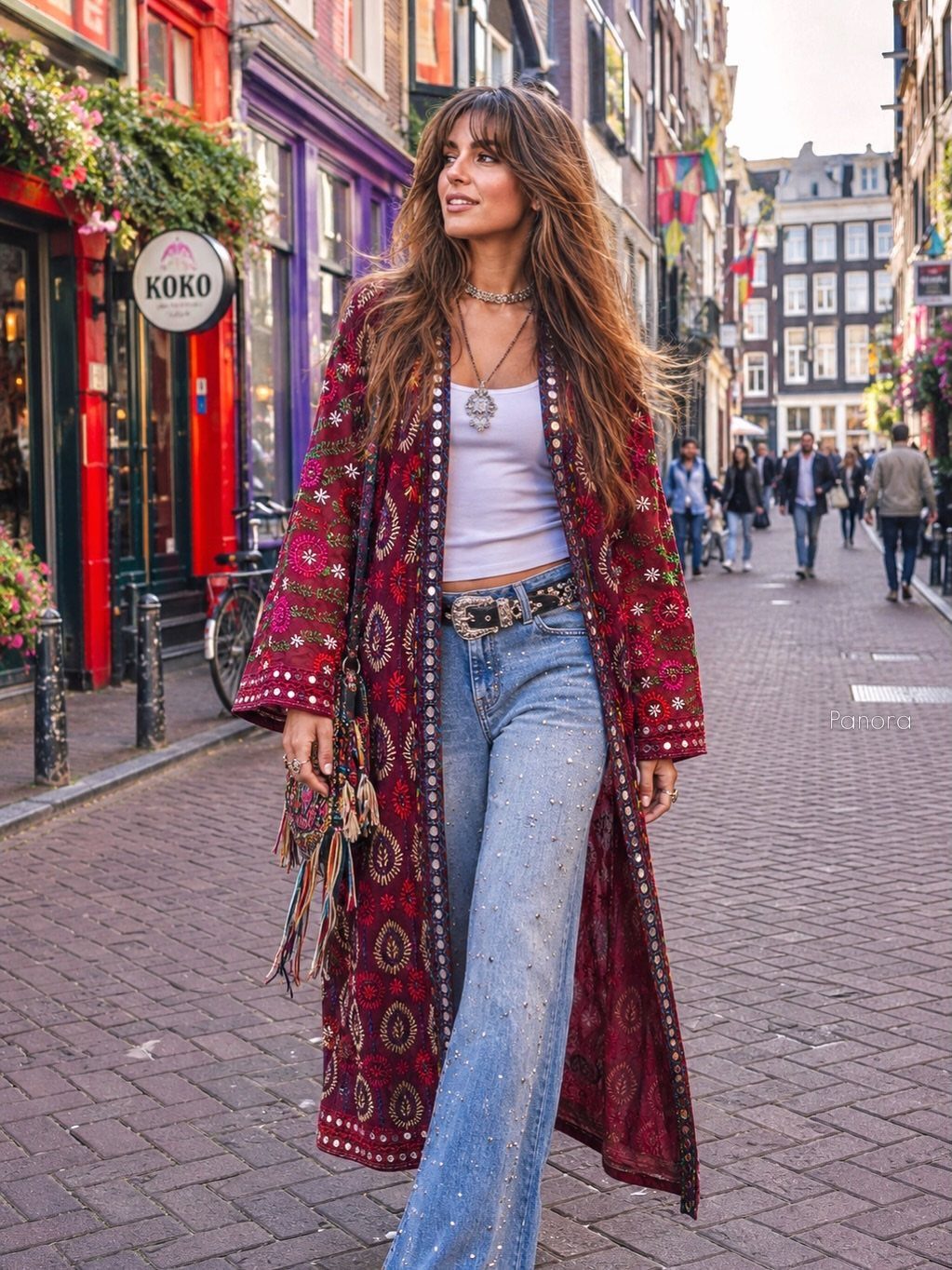
A duster or kimono turns a basic top-and-jeans outfit into something layered and intentional.
An embroidered maroon piece adds warmth against white and denim, and a length near mid-calf works best with a slight heel or platform to keep the leg line from disappearing.
I would choose a duster with some structure at the shoulder; completely unstructured versions read as loungewear. Look for side slits that let you walk and sit without the fabric bunching.
4. Taupes, Greens, Burnt Siennas, and Creams
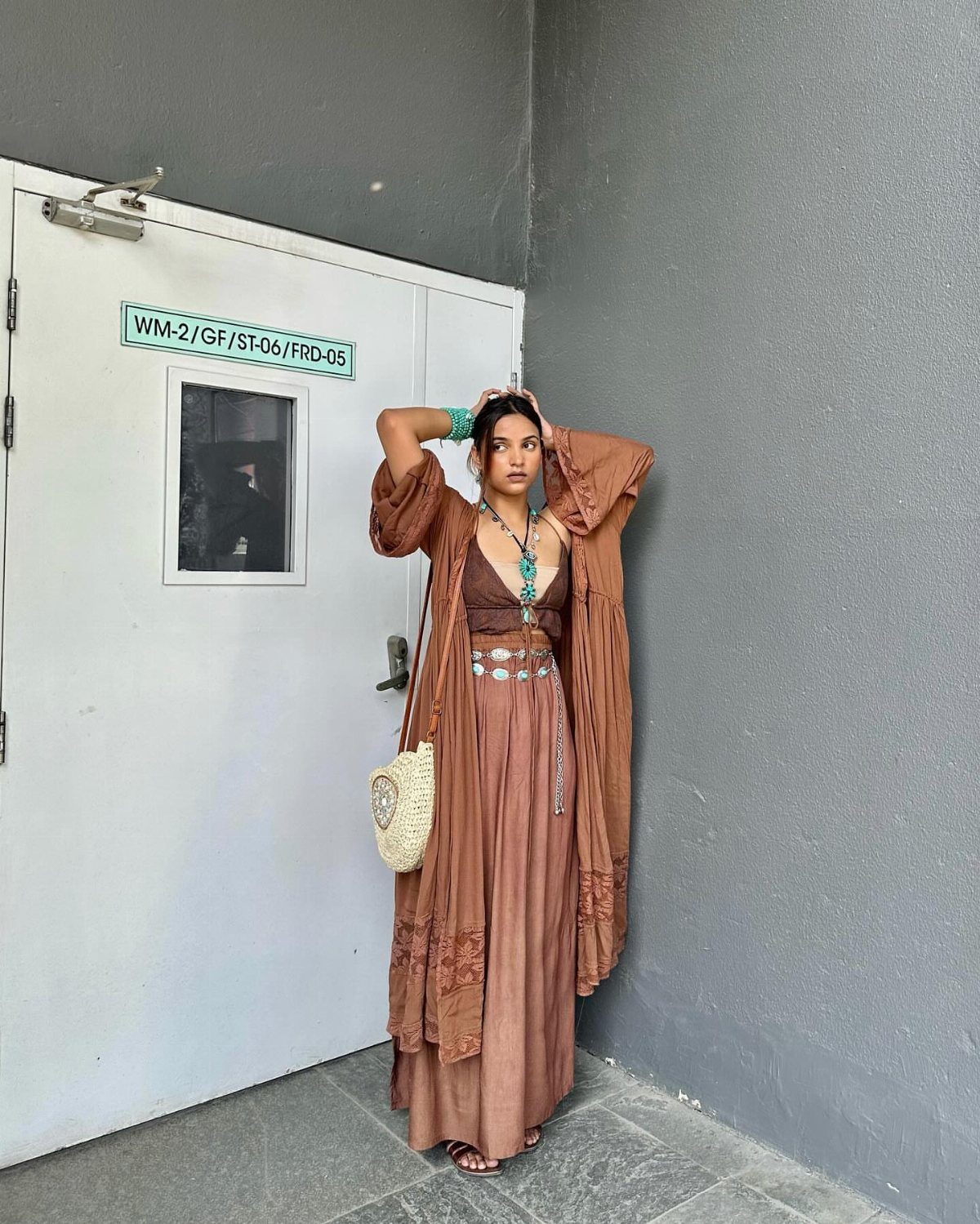
These colors share a muted quality that lets them sit together without fighting for attention. A single brighter accent, like turquoise, works against earth tones rather than competing with them.
I find this palette especially useful for building a travel wardrobe; everything matches everything. Add cream for summer weight, move toward taupe and olive for fall.
5. Wide Brimmed Hats
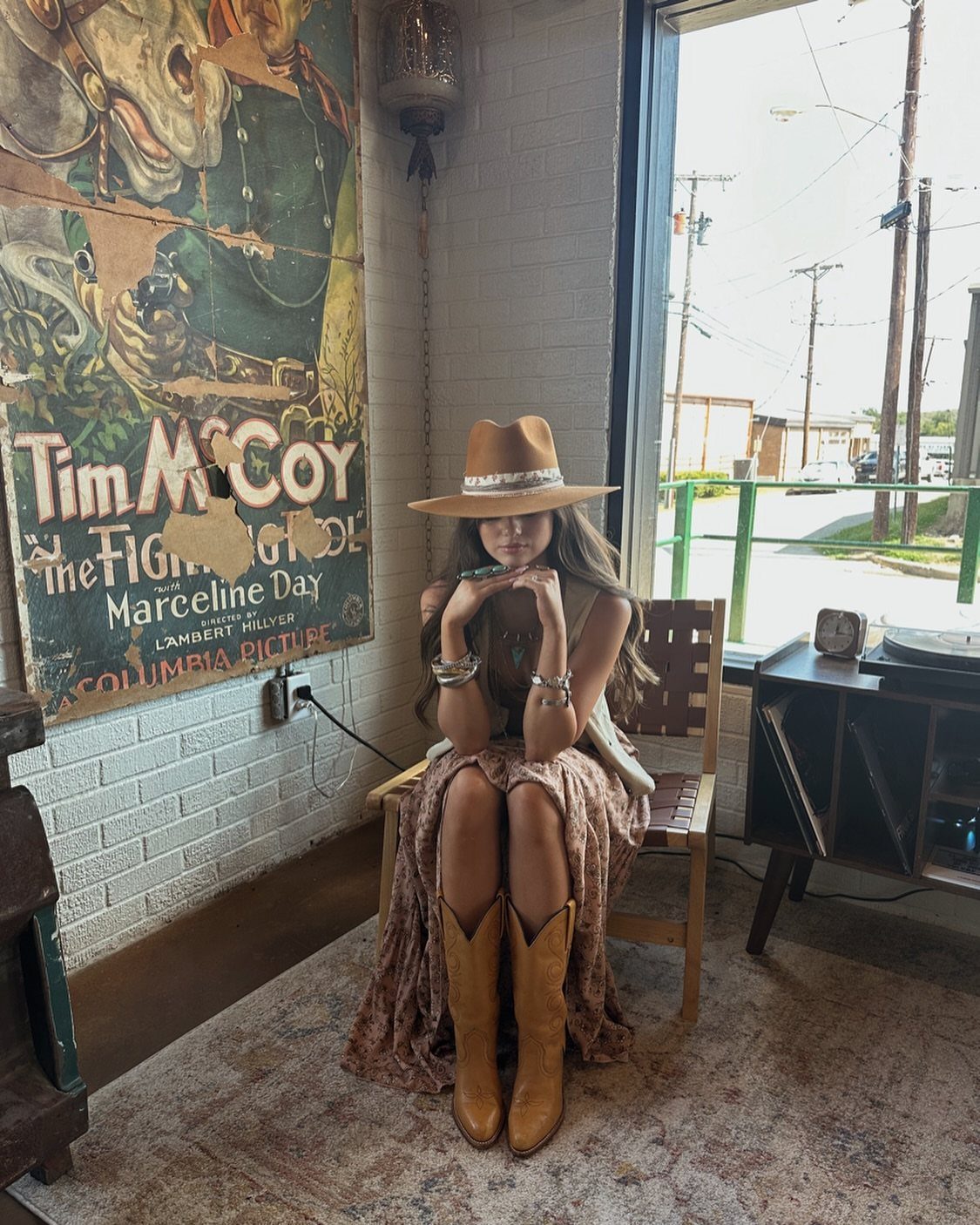
A wide brim does actual work, shading your face and neck through hours outside, while the crown and band give you shape and personality.
Tan felt sits between casual straw and formal stiff brim, which makes it wearable with both dresses and denim.
I check that the brim is firm enough to hold up in wind; a floppy brim that collapses becomes a nuisance.
The band should be simple enough to let a patterned outfit do the talking, or detailed enough to be the interest against solids.
6. Flowy Maxi Dresses
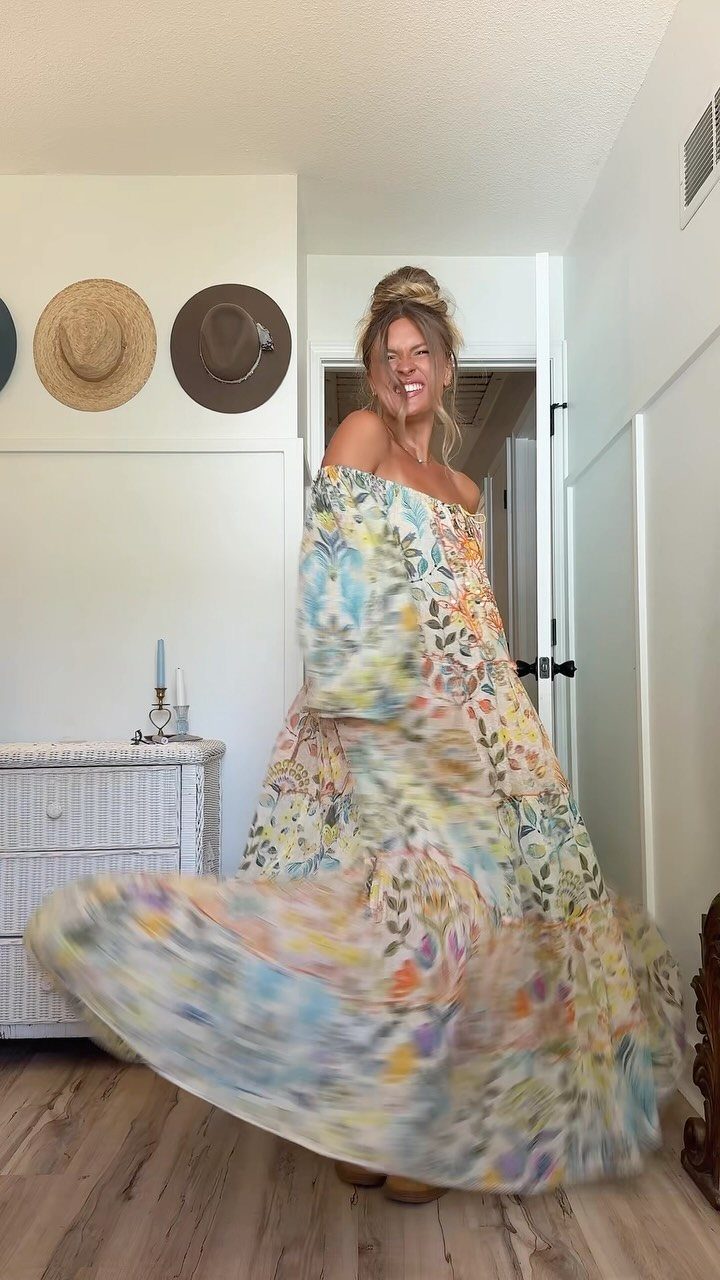
An off-the-shoulder maxi in a light floral gives you coverage and air at the same time. The elastic or smocked top edge needs to grip securely; I test this by raising my arms fully before buying.
Cotton voile or rayon challis moves best for twirling and walking, but wrinkles more than a cotton-poplin blend.
For a dress you will travel with, I would take the wrinkle and steam it at the hotel; the drape is worth it.
7. Layered Jewelry
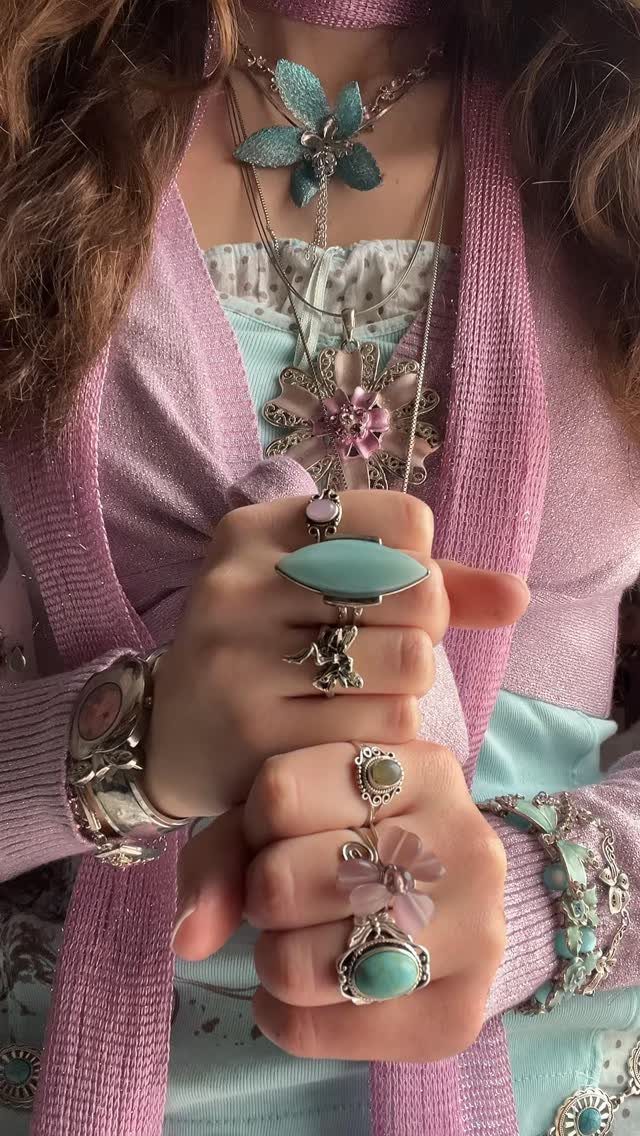
Layered jewelry works best when the pieces share a color story rather than matching exactly.
I keep the metal consistent, all silver or all gold, so the eye travels to the stones and shapes. For daily wear, I would limit myself to two fingers with stacked rings; three starts to feel like costume.
8. Patchwork Maxi Skirts
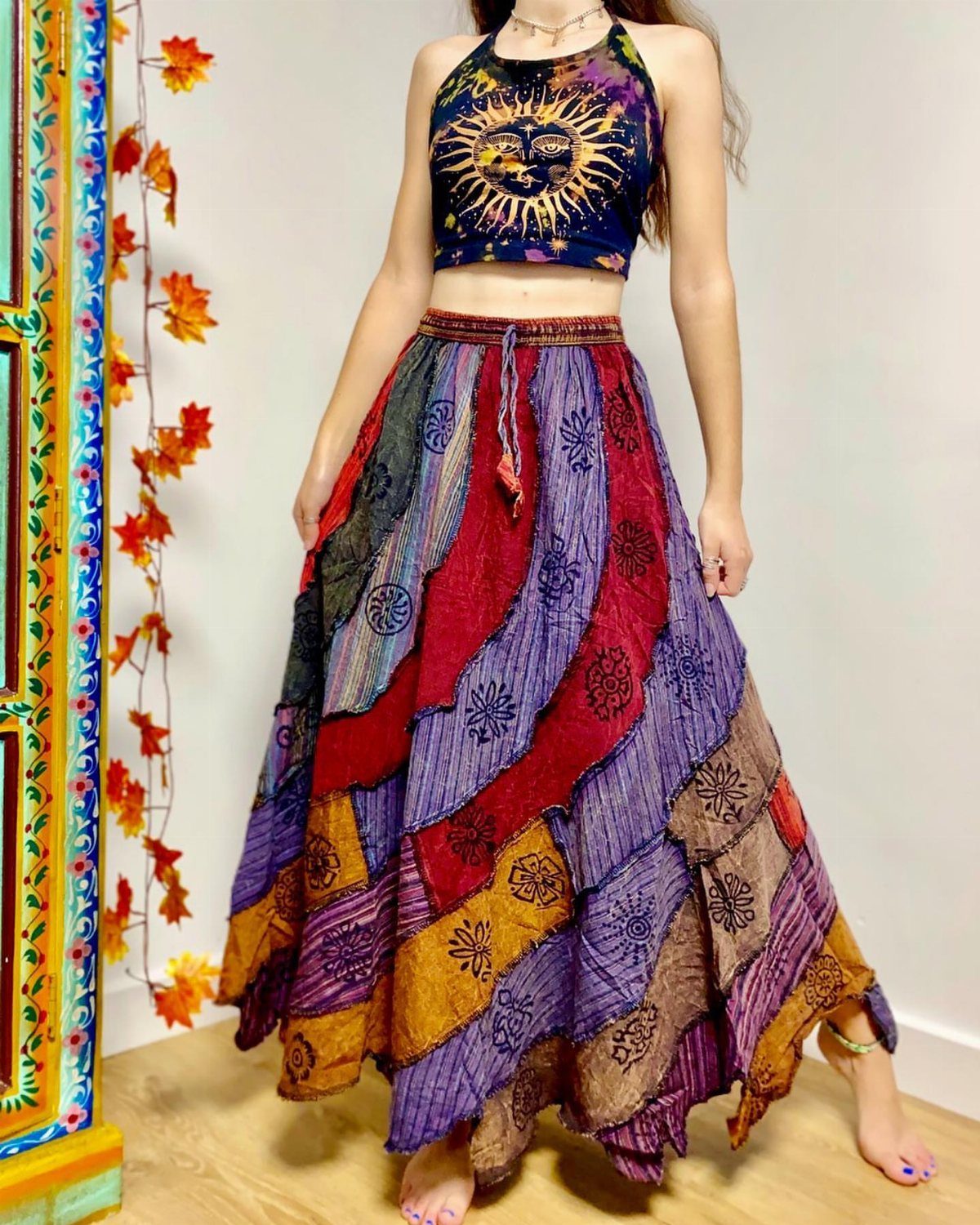
A patchwork maxi skirt carries enough pattern to be the whole statement, which is why a plain crop top keeps it wearable.
The tiers add movement and cover; the mix of colors means one of them will always pick up something else you own.
Cotton holds the patchwork seams better than rayon through repeated washing. I would wear this with flat sandals for daytime and add a heeled clog to lift the hem for evening.
9. Wide-Leg White Trousers
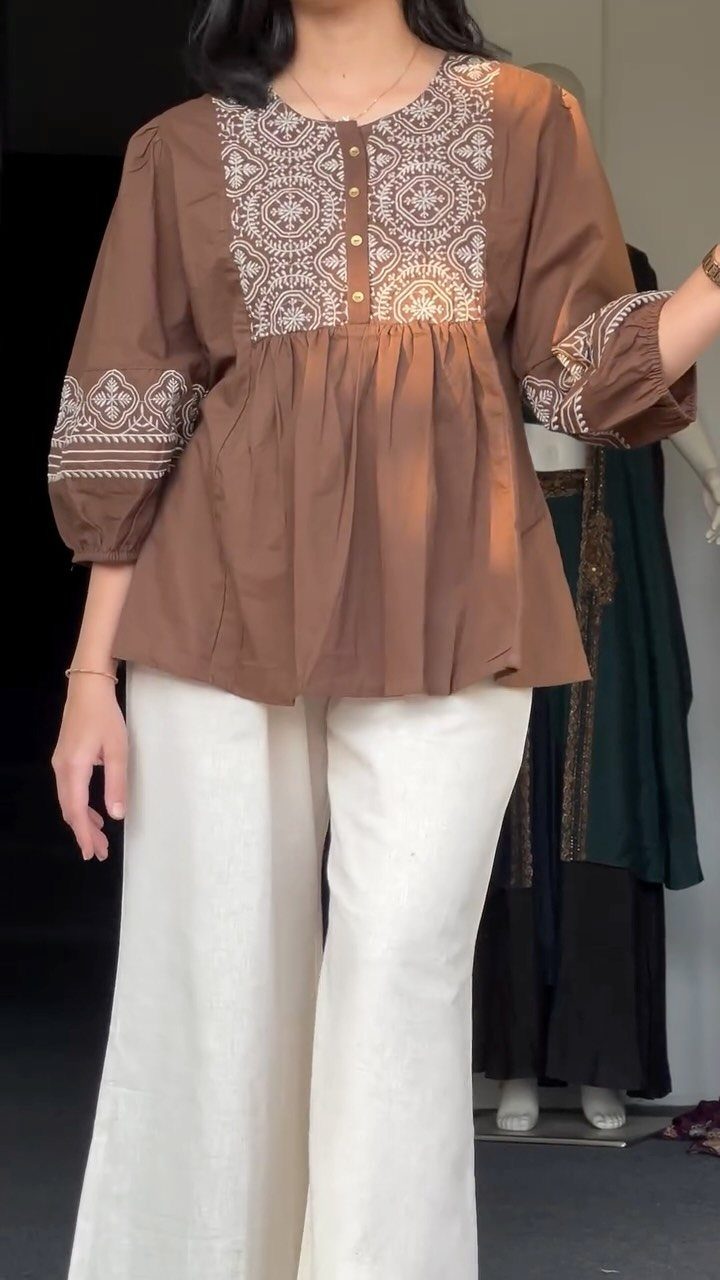
Wide-leg white trousers need fabric with enough weight to stay opaque in sunlight; a lined cotton twill or lightweight denim works better than thin linen. The volume at the leg balances a fitted or detailed top without competing.
I would check the rise carefully; a high waist keeps the leg line long, but too high and the crotch drops. Brown embroidery near the waist picks up the warmth in white without adding another color to manage.
10. Tiered Maxi Skirt with Scarf
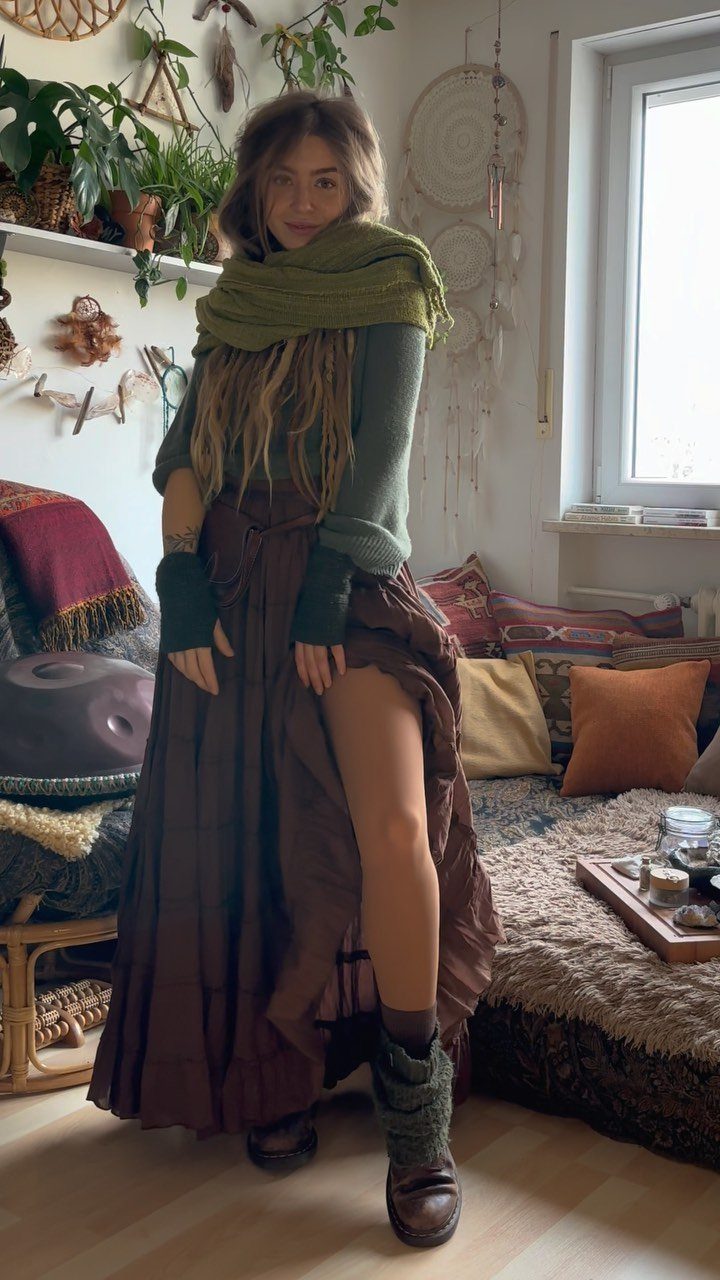
An oversized scarf worn almost as a shawl gives you warmth and shape in one piece. Draped over a matching top and a tiered skirt, it extends the vertical line and adds texture without a third color.
I find the scarf most useful in transitional weather, when a jacket would be too much. Choose a wool or wool-blend that holds the drape; acrylic slithers off the shoulder and looks thin.
11. Patterned Headscarves and Headbands
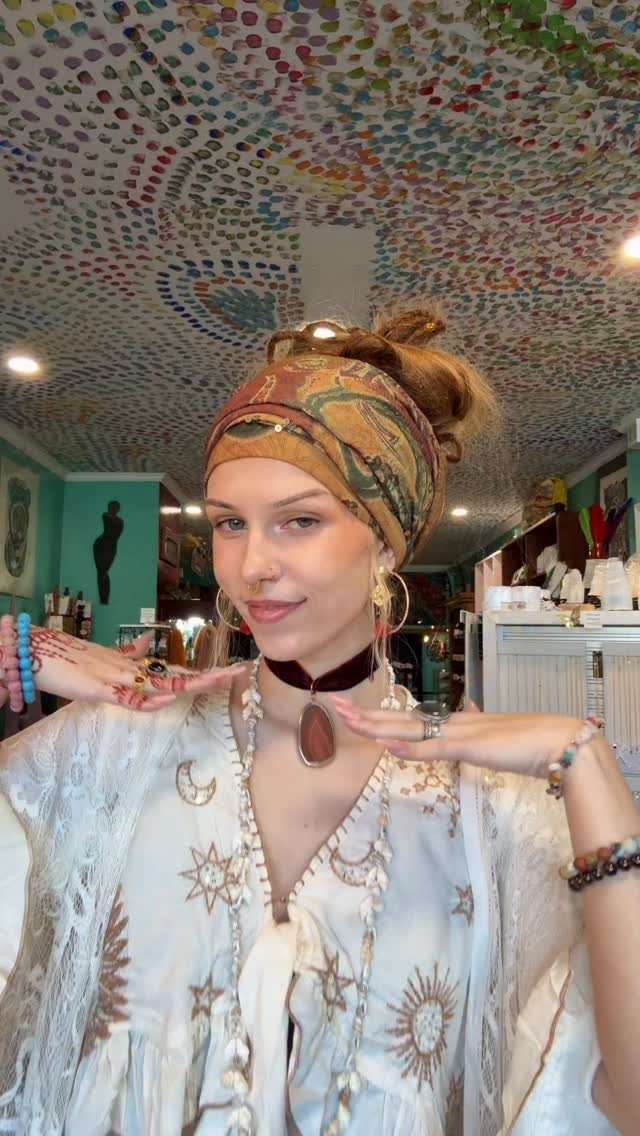
A patterned headscarf pulls the eye up and frames the face, which matters when the rest of the outfit is busy with layers and jewelry.
The knot or tuck at the crown should sit secure enough to last through the day.
I would match the scale of the print to my own features; a small, dense pattern can overwhelm a narrow face. Hoop earrings echo the curve of the scarf edge and keep the look intentional rather than accidental.
12. Belted Tunics Over Long Skirts
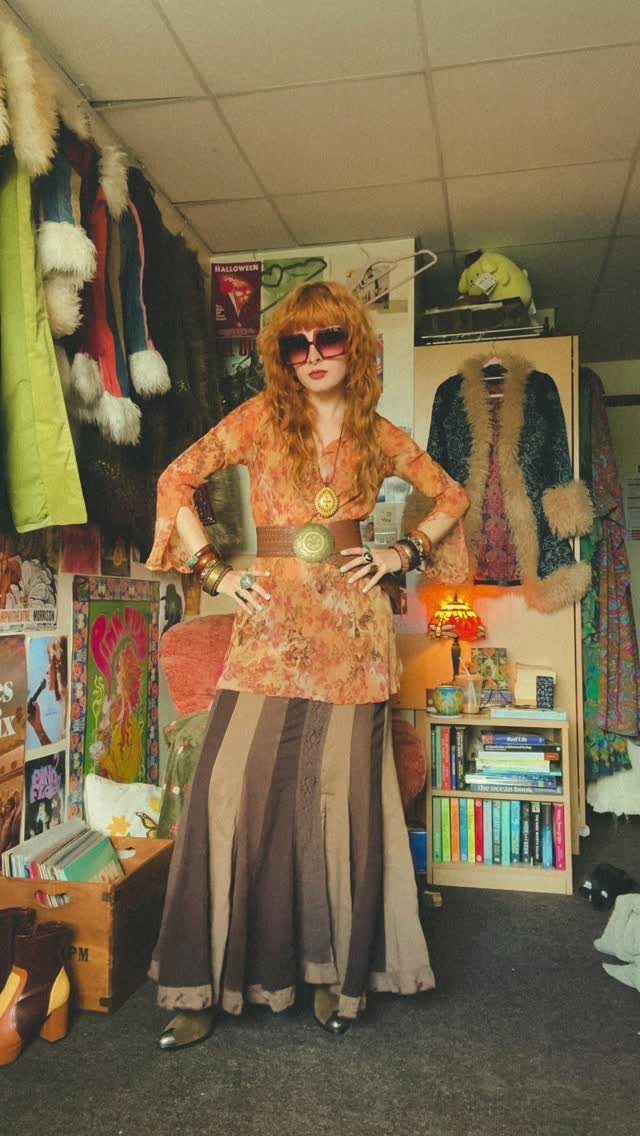
A wide belt over a tunic breaks the long line and gives you a waist where the tunic would otherwise read as a sack. The orange print and striped skirt already share a warm palette; the leather belt adds grounding.
I would choose the belt width to match my torso length; a wider belt suits a longer body, while a narrower one works better on a petite frame.
The buckle sits at the front, visible over the tunic fabric, where it draws the eye to the narrowest point of the silhouette.
Boho Style Evolution
The look surfaced in the 1960s as a deliberate break from the stiff 1950s shape, borrowing from hippie dress and Romany details to signal freedom from convention.
The word "bohemian" still carries its old meaning of the artist or writer who lives outside mainstream rules, and the style keeps that same spirit of deliberate mismatch.
Boho chic arrived later as the edited version.
Where original boho piles on prints, fringe, and stacked accessories without restraint, boho chic keeps the same natural fabrics and earth tones but adds structure: a defined waist, tailored trousers, silk mixed with linen, one statement piece instead of five.
A full festival costume with fringe and bells is one thing; a simple linen shirtdress cinched at the waist with one long pendant is boho you can wear to lunch. The palette stayed; the rules tightened.
Accessorizing for Boho
The best boho accessories carry meaning rather than trend value.
A scarf collected on a trip, a ring from a flea market, a bracelet with stones you chose for their color rather than their label: these read as personal because they are.
All silver, or all gold, or all turquoise picked up across different years and places. The eye needs a thread to follow, otherwise the collection looks like costume.
Style develops through experimentation, not purchase.
The questions to ask are practical ones: does this piece feel like something I already reach for? Does it represent something I actually value, or only something I saw?
The half-fun of it is the time spent figuring that out. Accessories that pass that test tend to stay in rotation longer than the ones that looked exciting for a single season.
Choosing Fabrics
Natural fibers matter in boho styling because the silhouette depends on how fabric moves and settles.
Cotton and linen hold structure in peasant blouses and tiered skirts; they wash repeatedly and keep their character. Silk adds drape and polish for the chic side of the equation, particularly in dresses and scarves that need to catch light.
Suede and leather serve specific roles. Silk and suede trim show up often in older boho references, though fur details on new pieces tend to look like costume rather than character.
Embellished fabrics, embroidery, and beading add the craft element that separates boho from simple loose dressing.
These details show wear first, so I check seam security and thread density before buying. A jacket with hand-stitched embroidery costs more but outlasts machine versions by years.
Frequently Asked Questions
What is boho chic clothing?
Boho chic keeps the natural fabrics, warm earth tones, and easy movement of bohemian dressing, then reins it in with cleaner lines and fewer competing pieces.
Original boho throws together prints, fringe, and layered jewelry with abandon; boho chic pulls one of those forward and lets the rest stay home, adding a cinched waist or fitted pants to ground the look.
A single long pendant on a belted linen shirtdress is boho chic; ankle bells, fringe everywhere, and a headscarf with tassels is just boho.
What are essential boho pieces?
Start with a peasant blouse in cotton or linen, a maxi dress that actually moves in cotton voile or rayon challis, and a tiered or patchwork skirt loud enough to carry the whole outfit.
Add a wide-brimmed hat that holds its shape in wind, a duster or kimono with some shoulder structure, and flat sandals for daytime with heeled clogs to lift a hem for evening.
One good piece of fringe, on a leather bag or sandal, does the work of five.