
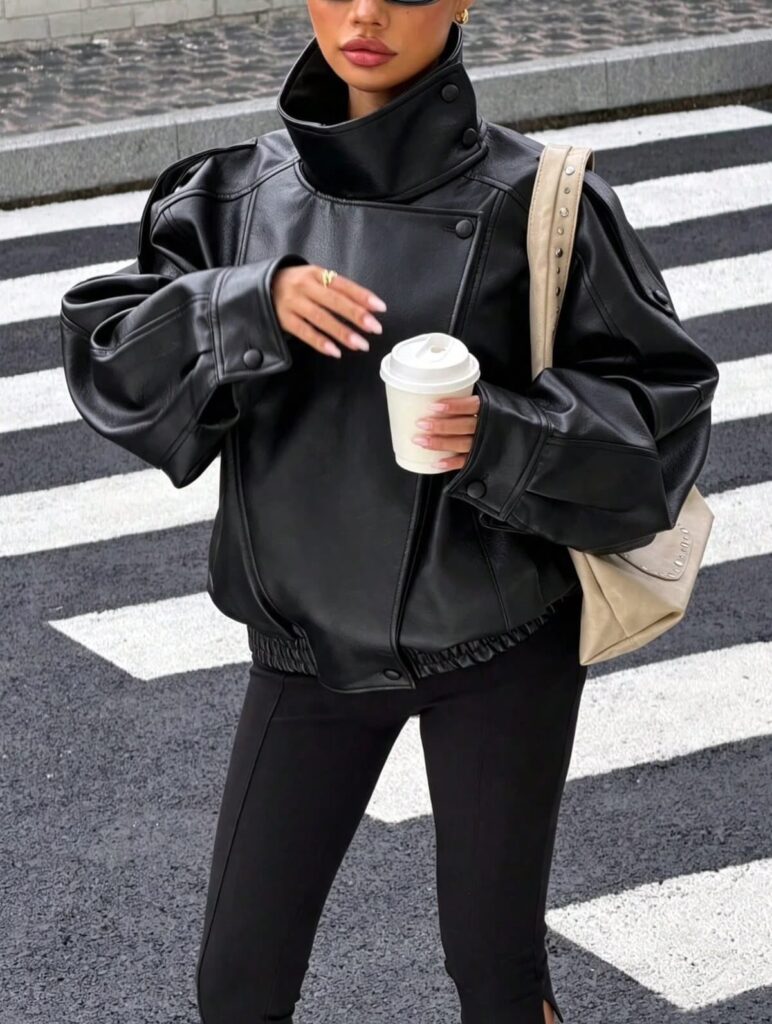
European style is not a single look but a range that runs from a simple nylon tote to Italian leather that costs serious money, and the piece that wins depends on whether you are dressing for a museum day, a dinner reservation, or a church that bars ripped denim at the door.
I build these outfits around the same quiet palette, camel to oatmeal to navy, because those are the colors that mix without clashing when you are packing light and moving between cities by train.
1. Well-fitted Stylish Clothing
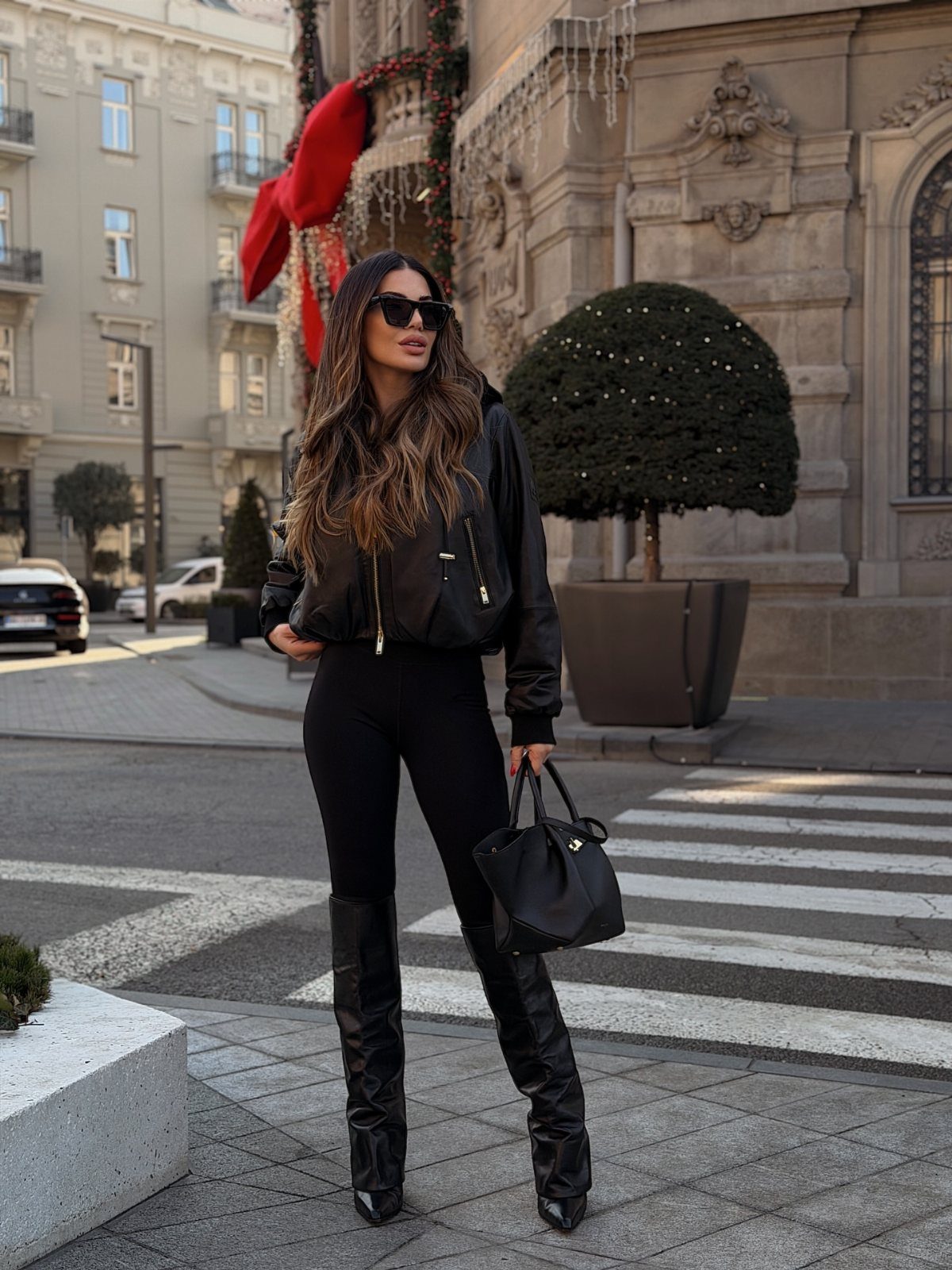
A cropped black jacket cut close to the body reads intentional rather than thrown-on, especially when the hem hits exactly at the waist and the sleeves show a sliver of wrist.
I look for this fit in blazers and moto jackets alike: structured enough to hold a shape, short enough to wear over a dress without swallowing it.
The leggings and knee-high boots continue the line rather than breaking it, which is how this silhouette works on a 5’2" frame as well as a taller one.
Black head-to-toe demands that each piece fits well; there is nowhere for a gaping shoulder or baggy knee to hide.
2. Timeless Pieces in Conservative Colors
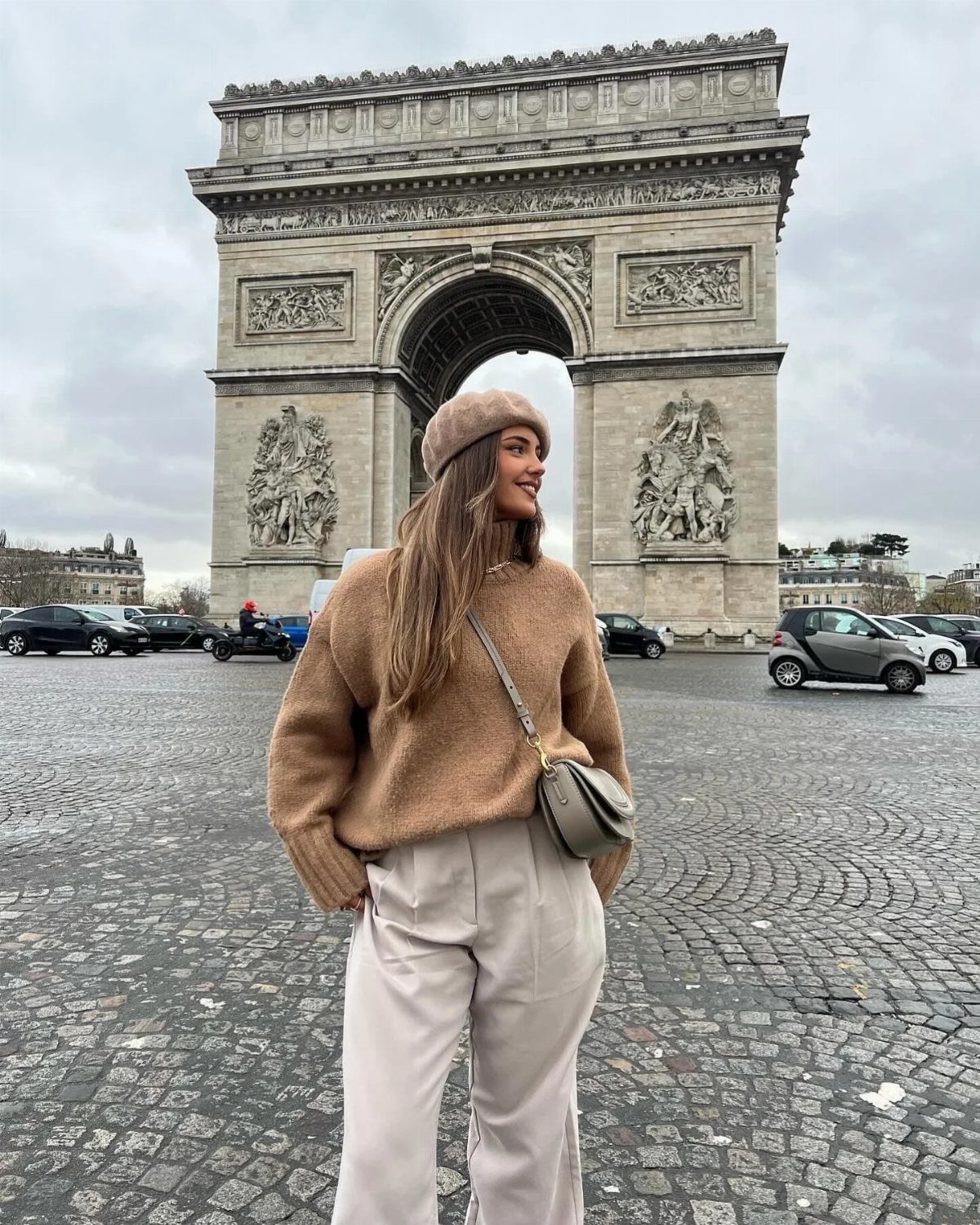
Tan, cream, and soft gray photograph well against stone and marble, and they mix with each other without clashing when you are packing light.
I would rather own three pieces in these tones that all work together than six in competing colors that each need their own companion.
A camel coat in Rome, an oatmeal knit in Copenhagen, a beret in Paris: the same quiet palette adapted to the city is what reads as European rather than any single item.
These colors also forgive wrinkles from a train compartment better than black, which shows every crease.
3. Comfortable Walking Shoes
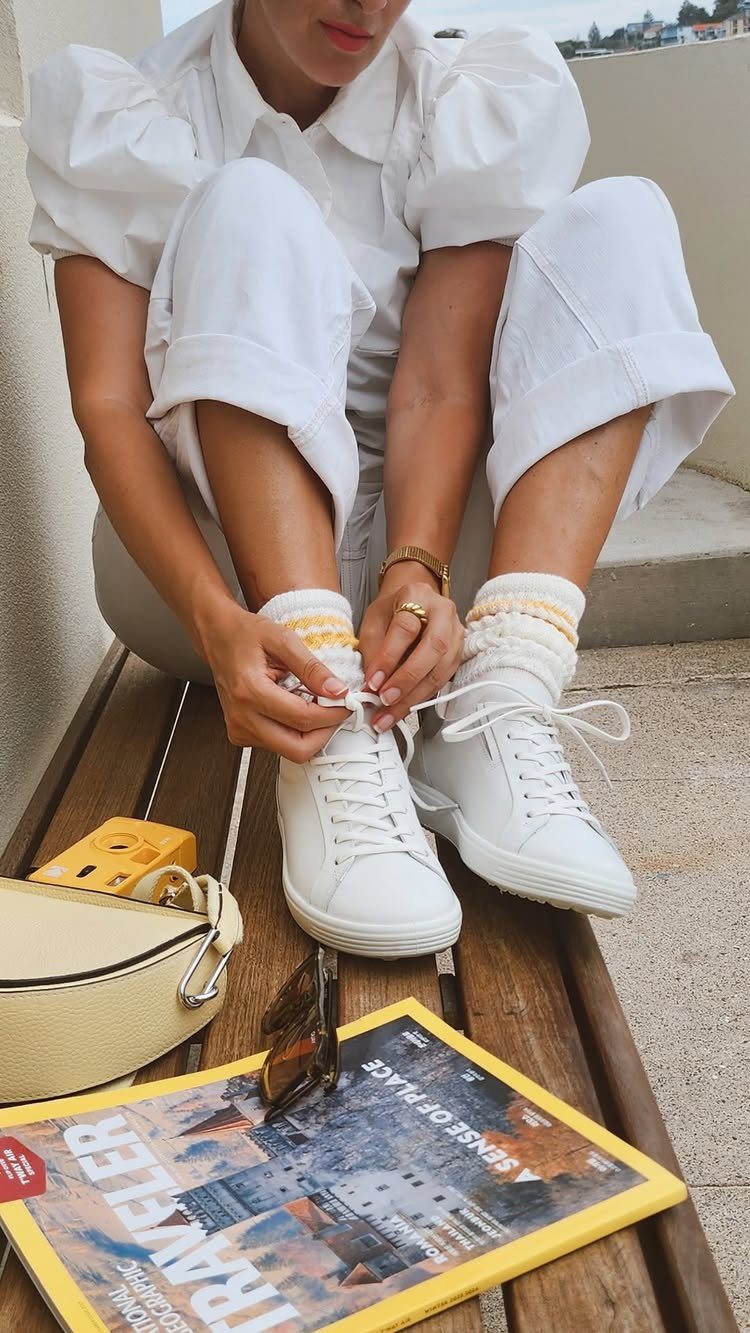
White leather sneakers with proper arch support have replaced ballet flats as my default for long walking days. Thick socks matter as much as the shoe; I pack 2 pairs of merino wool ones and rotate them to dry overnight.
An all-white outfit risks grime on subway seats and cafe chairs, so I treat the shoes with a stain repellent before the trip and carry a small wipe packet.
4. Accessorize with Scarves
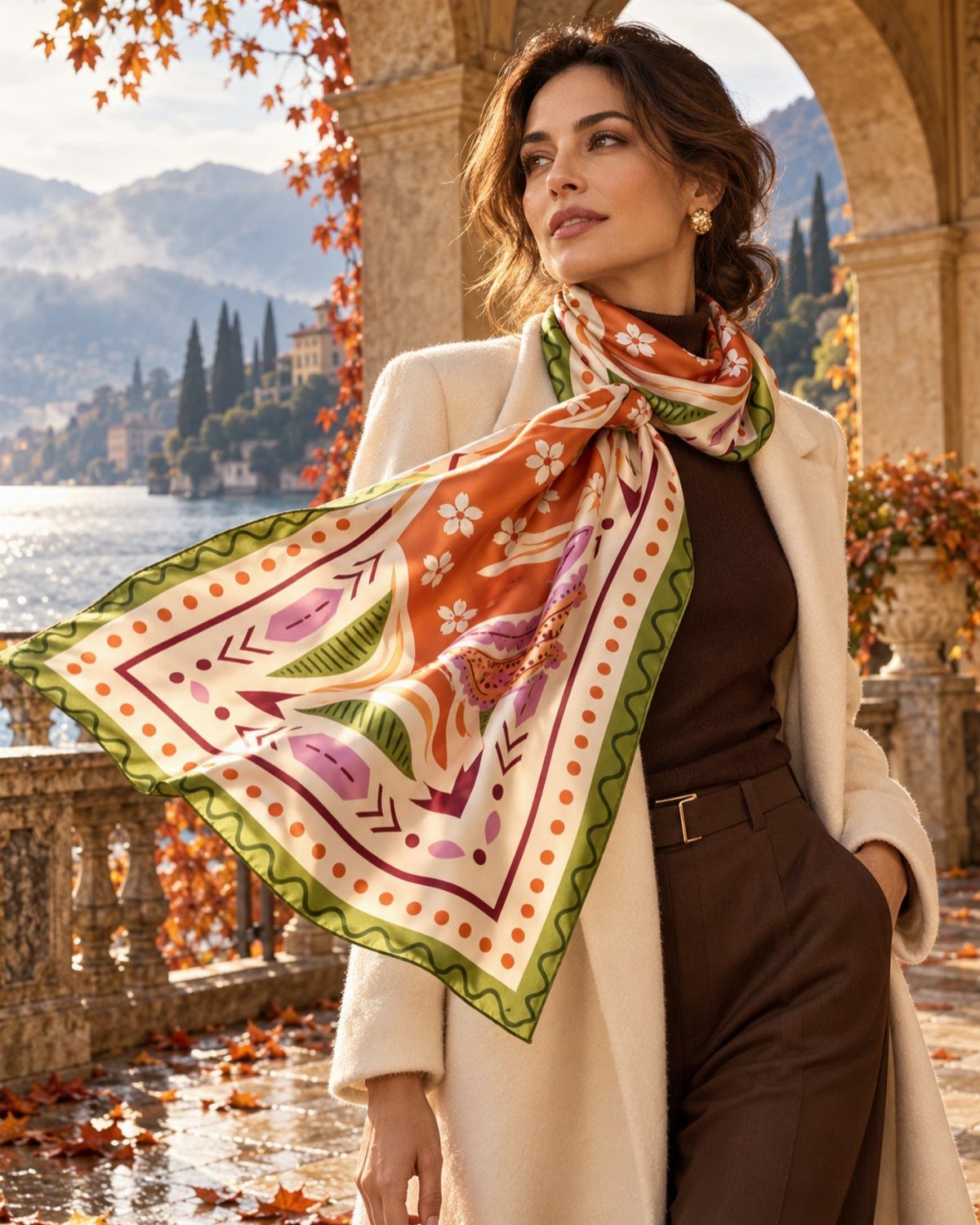
A large silk square gives you the most moves: folded to a band at the neck, knotted at the shoulder, or left full as a dramatic triangle with the points flying.
A patterned scarf adds the only color to an otherwise neutral outfit, which is how I use them when my coat and sweater are investment pieces in cream or navy.
I buy vintage Hermès and Ferragamo at consignment rather than new; the silk softens with age and the prints do not date the way seasonal colors do.
Hand-rolled edges, which you can feel by running a finger along the border, signal the construction that keeps a scarf behaving when the wind picks up across a lake terrace.
5. Leather Totes
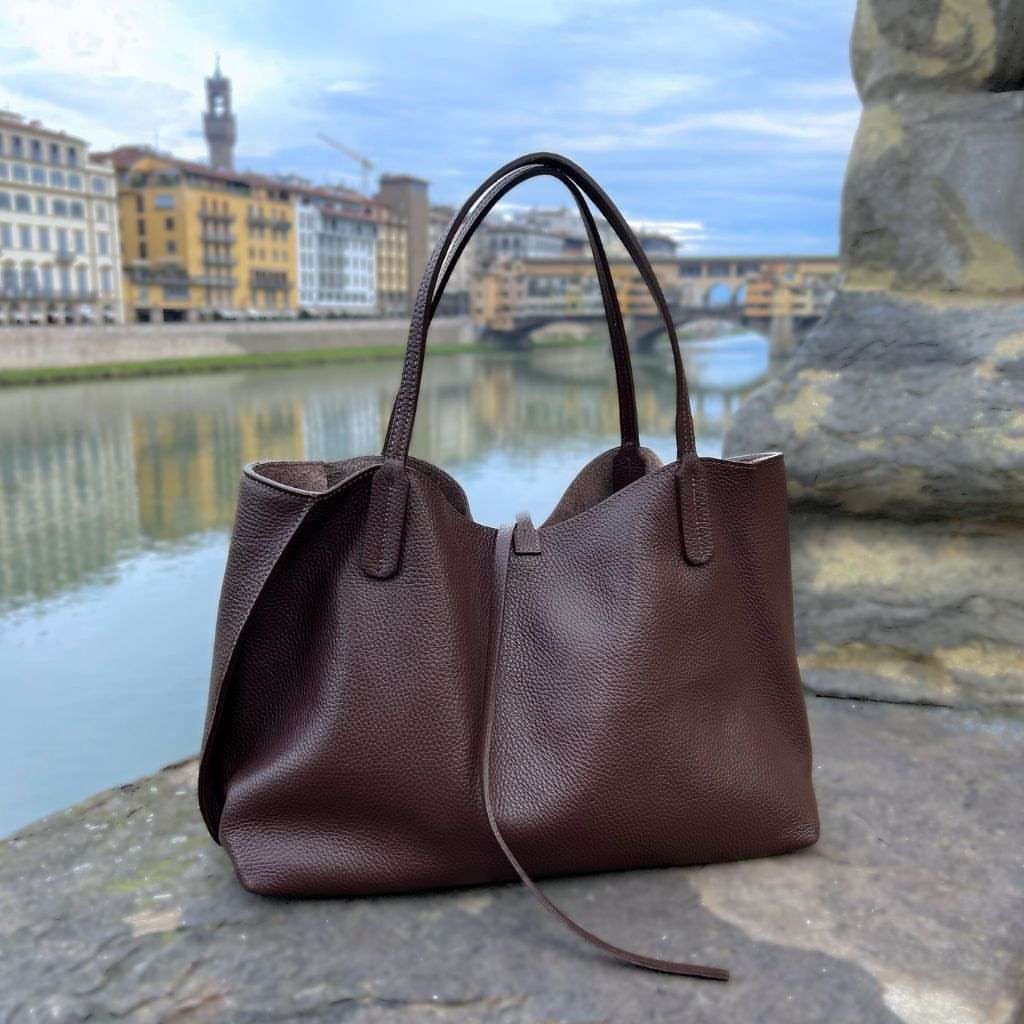
Pebbled leather hides scratches from stone walls and train gates better than smooth calfskin, and the slouch of an unstructured tote conforms to under-seat space when a rigid bag would not.
I look for a strap drop long enough that the bag sits at hip level, not digging into my shoulder or swinging at knee height.
The Longchamp Le Pliage is the practical alternative I have carried for years: nylon that folds flat, leather handles that soften rather than split, and a price that does not sting when a café table wobbles.
For leather, I save for Italian makers like Il Bisonte or Coccinelle, where the pebbling is consistent across the panel and the lining is canvas, not synthetic.
6. Cardigan with Defined Waist

A cardigan buttoned only at the natural waist, with the top and bottom left open, creates the shape that a fully closed cardigan erases.
A textured weave holds the structure without clinging, and dark jeans underneath should be high-waisted enough that the meeting point sits at the narrowest part of the torso.
I buy these in cotton or cotton-linen blends rather than acrylic, which pills at the underarm and along the seat belt line after a few wears.
The floral headband is a detail I would skip for travel, but the cardigan itself layers over a camisole for dinner or a tee for museum day without looking like an afterthought pulled from a hotel room chair.
7. Skinny Jeans

Light blue denim with a close leg line tucks cleanly into boots and under longer coats without the bunching that wider cuts create.
The mid-rise waist here sits right at the hip, which works with a tucked tee or a short jacket that ends at the same point.
I prefer a wash with no distressing for European cities; rips read differently abroad and can bar you from churches or finer restaurants.
A clean pair in stretch denim moves with you on metro stairs and cobblestones, and the color pairs with everything from camel to black to cream.
8. Bold Clothing
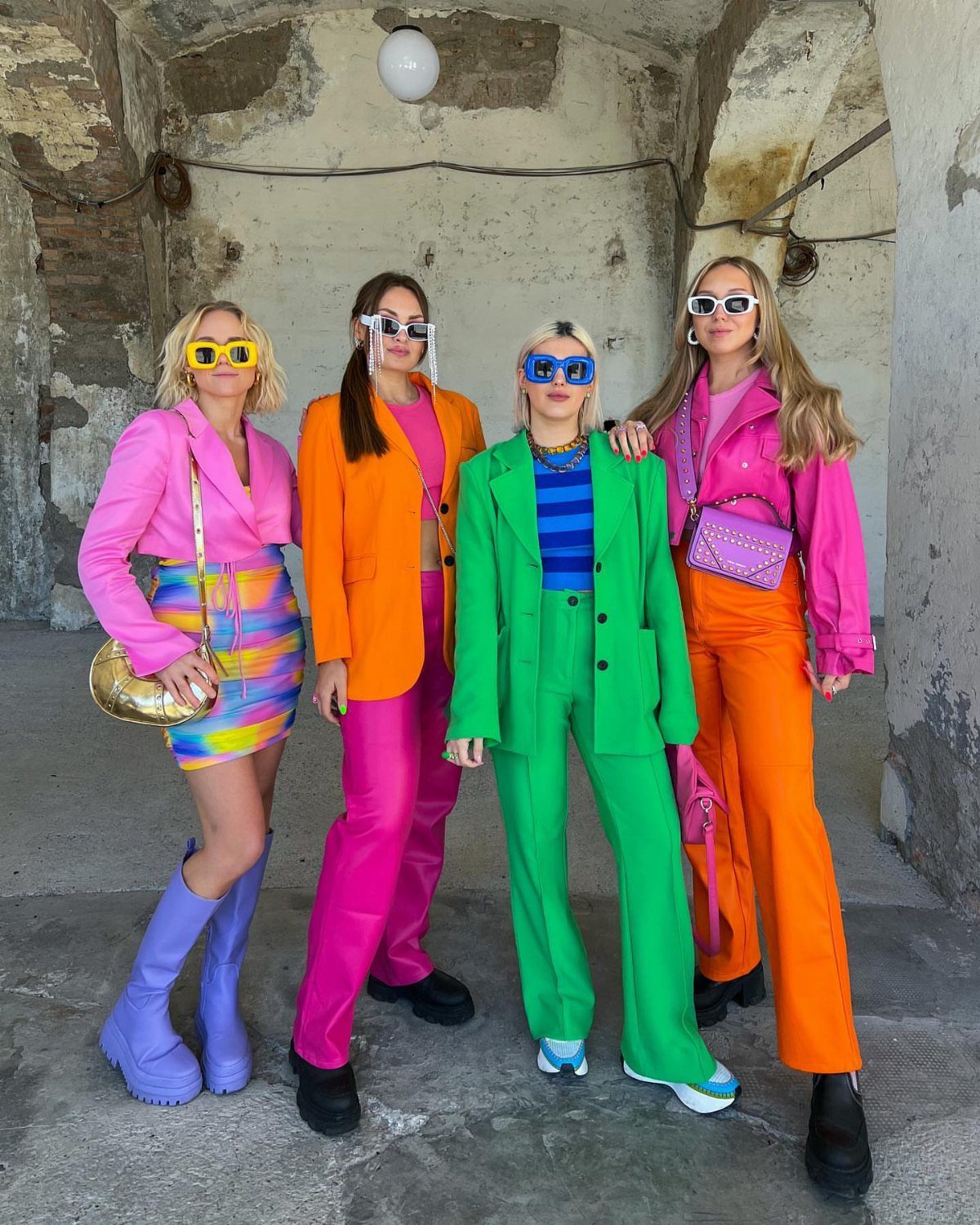
A single saturated piece, a suit or a structured jacket, carries the whole look without requiring you to pack more. One strong color worn head to toe reads as confidence, not costume, especially against stone backdrops.
I would choose one bold item and keep the rest neutral: a red blazer with white jeans, a cobalt suit with nude pumps.
Packing 2 such pieces that do not coexist is the mistake; they fight for attention in the same outfit and demand separate days in your itinerary.
Fashion Brands to Consider
H&M and Zara are the names you will see on every third woman in Madrid or Milan, which is exactly why they work for studying the cut rather than buying to last.
I use them to test a silhouette before I commit; the price is low enough that a mistake does not sting, and the turnover is fast enough that the racks mirror what is actually walking the street that month.
Mango sits a step above in fabric hand and finishing, still priced below most American department store lines, and APC is where I go when the shape proves itself and I want the same line in denim that keeps its color at the knee through real wear.
The Kooples and Zadig & Voltaire run hotter and more expensive; I window-shop there for proportion ideas, then apply them elsewhere.
Galeries Lafayette carries everything from 50-dollar Levi’s to four-figure bags, and the French-only website filters slowly enough that I find pieces the English-language sites have already sold through.
Avoiding Tourist Traps
The more you look like you are reading a map on your phone, the more you read as a target.
I keep my phone in my bag and my bag closed at the top, cross-body with the strap against my body rather than dangling.
A local asked me for directions in Lisbon once; I took it as confirmation that the neutral coat and the scarf at my neck were doing their job.
Ripped jeans bar you from some churches and finer restaurants abroad, and they mark you as visitor in a way clean denim does not.
The same goes for loud patterns and camouflage; Europeans wear color, but they wear it as a single piece, not as a shout across the plaza. Fit matters as much as fabric here.
Baggy layers read as lost, and overtight reads as trying too hard. The middle is where you want to live: clothes that fit the body you have, in colors the women around you are actually wearing that season.
Practical Packing Tips
Every piece I pack must meet at least 2 other pieces. One shirt for three bottoms, one cardigan over four layers; that is the math that keeps the bag under weight and the choices unexhausting.
Solid neutrals do this work better than prints, which is why my travel palette stays in black, navy, beige, and gray.
I skip dry-clean-only items entirely. Train compartments and hotel sinks are unforgiving, and a stain on a silk blouse with no same-day cleaner in town is a ruined afternoon.
Scarves and a single necklace do the variation work that extra shirts would have done, and they weigh almost nothing.
Jeans take forever to dry, so I limit myself to one pair and plan around it. Everything else is lightweight enough to wash in a sink and wear again the next morning.
European shopping is part of the trip, not a failure of planning; I treat any needed purchase as a chance to see how local stores size and cut for actual women there.
Frequently Asked Questions
How to dress like a European in Europe?
Stick to neutral colors like black, navy, beige, and gray rather than loud patterns or camouflage, and make sure every piece fits close to the body without being tight.
Europeans wear jeans, especially skinny cuts, but they build outfits from pieces that layer and mix with each other rather than wearing single statement items.
A scarf in silk or wool adds the only color you need against a coat or sweater in a quiet tone.
What are the current clothing trends in Europe?
White leather sneakers have overtaken ballet flats as the practical default, while tailoring stays sharp and silhouettes stay uncluttered.
H&M and Zara move fast enough that their racks mirror what is actually on the street that month, while Mango offers a step up in fabric and finishing at a lower price than most American department store lines.
The overall direction is toward fitted, intentional pieces in conservative colors with one bold accessory rather than all-over pattern.
Can you wear sneakers in Europe?
Leather sneakers in white or beige are now ordinary daytime shoes for women across Europe, worn with denim or with dresses through summer.
I spray mine with stain repellent before I leave and pack a few wipes, because an all-white look picks up dirt from subway seats and café chairs fast.
Avoid neon colors and running-shoe styling; the look is polished and minimal, not athletic.
Do you have to cover when visiting churches in Europe?
Most Catholic churches still ask that shoulders and knees be covered, and the rule holds for men, women, and children.
A large silk square folded to a band or left full as a shawl solves this in seconds; I keep one in my bag for exactly this reason.
Ripped jeans and sleeveless tops can bar entry entirely, so I pack clean, intact denim and a light layer even in summer.