A dress code casual standard means relaxed, everyday clothing that still looks intentional rather than thrown together. The trap is assuming "casual" equals effort-free: a wrinkled tee with light-wash jeans fails where the same jeans with a crisp button-down pass.
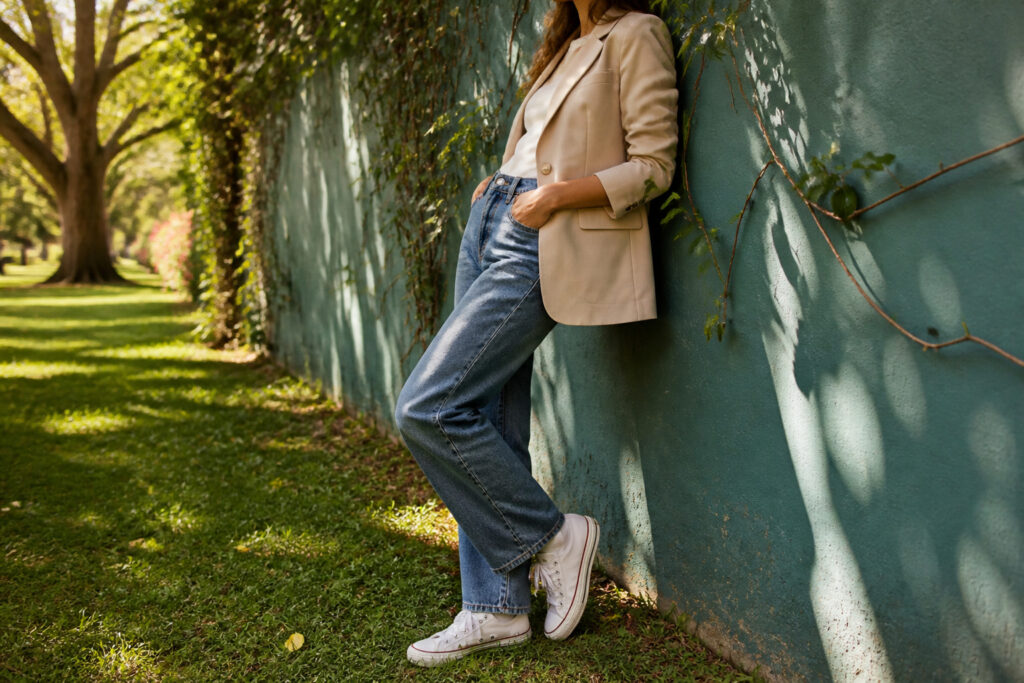
Unstructured blazers in navy, not black, bridge this gap best, and at $45, Converse Chuck Taylor All Stars anchor the look without pushing toward dressy territory.
Sneakers and Flat Footwear

A cool pair of sneakers makes a casual look read as intentional rather than sloppy. Converse Chuck Taylor All Stars at $45 from DSW hit that mark, and they pair with nearly anything in a dressed-down wardrobe.
Flat footwear wins over heels under a casual dress code, even with jeans, because heels skew the look toward dressy territory. Reel Simple Flats from ModCloth, priced at $30, work when you want something softer than a sneaker but still easy.
Seasonal shifts matter here. Flat sandals keep the breezy energy for warm weather, beach days, or evening strolls, and low wedges stay casual where higher ones would not.
Ankle boots handle transitional mornings and cooler evenings better than either option, adding a subtle edge that elevates a simple dress without pushing it out of casual territory.
Black or brown boots maximize versatility across your wardrobe. The flat profile keeps the look grounded; the boot structure gives it shape.
Light-Wash Jeans and Trousers
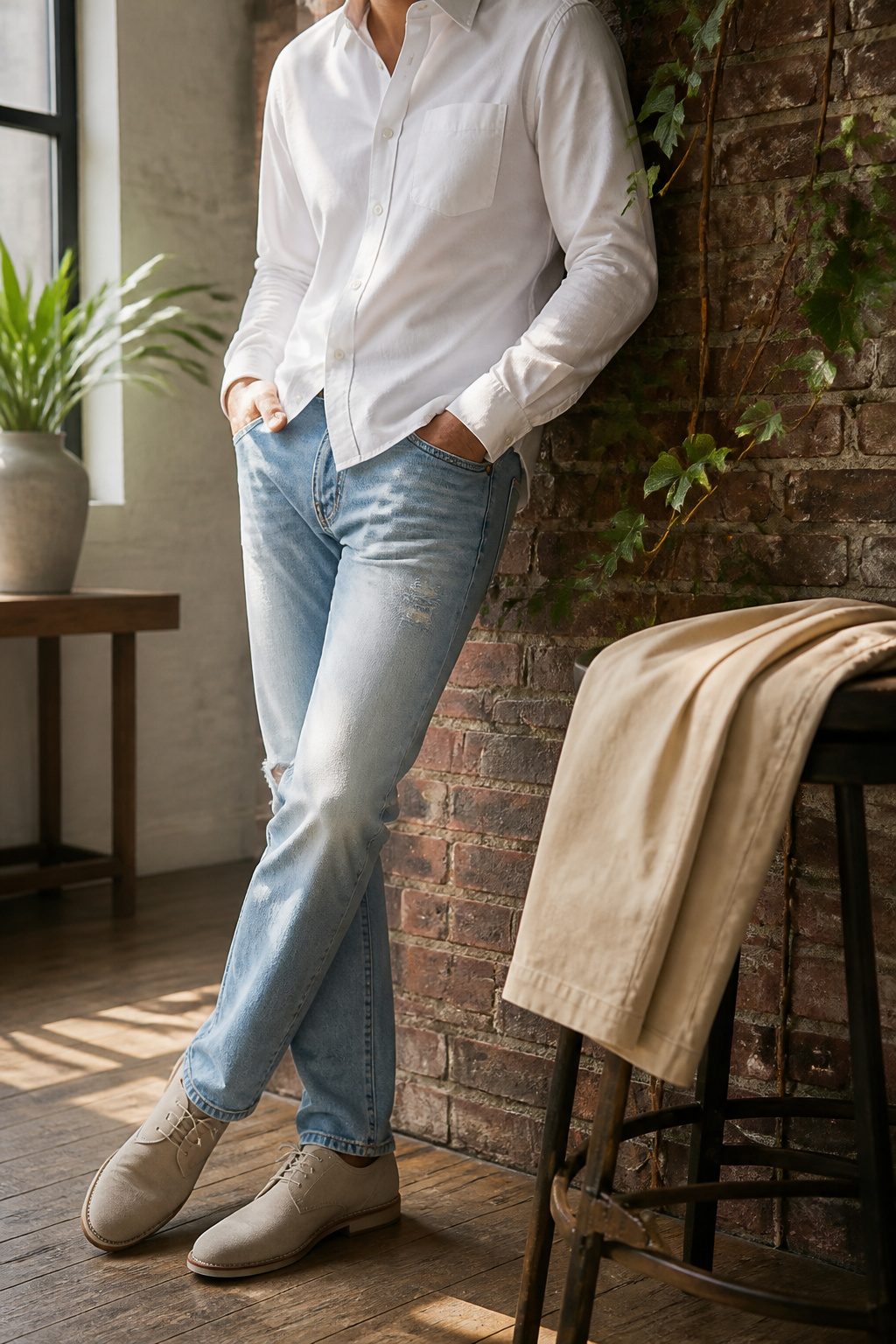
Light-wash denim reads as the most relaxed option under a dress code casual guideline, while darker washes shift toward business casual territory.
A pale wash with slight distressing telegraphs weekend energy; pair it with a structured top and a statement belt if you need to pull it back toward polished.
For smart casual moments, trousers win.
Light chinos brighten a warm-weather outfit without surrendering neatness, and the cut matters more than the color here. Slim fit or tailored lines keep the look intentional; baggy chinos drift toward the jeans-and-tee territory that gets side-eyed at dinner parties.
Fit separates what works by body type.
A mid-rise straight leg, like Mango’s Christy cut, gives structure without stiffness to most frames. Barrel-leg or baggy jeans demand balance: I tuck in a sweater or add a cropped jacket so the volume doesn’t overwhelm a petite frame.
Curvier shapes often do better with a mid-rise that sits at the natural waist, holding the line between relaxed and sloppy.
The real test is where you’re headed.
Light-wash jeans with a crisp button-down pass at a casual Friday office; the same jeans with a wrinkled tee do not. Trousers carry you into territory where jeans would be frowned upon, but only if they’re pressed and lint-free.
Keep a lint roller in your bag, because the casual half of "smart casual" is no excuse for looking like you didn’t try.
Button-Up Shirts
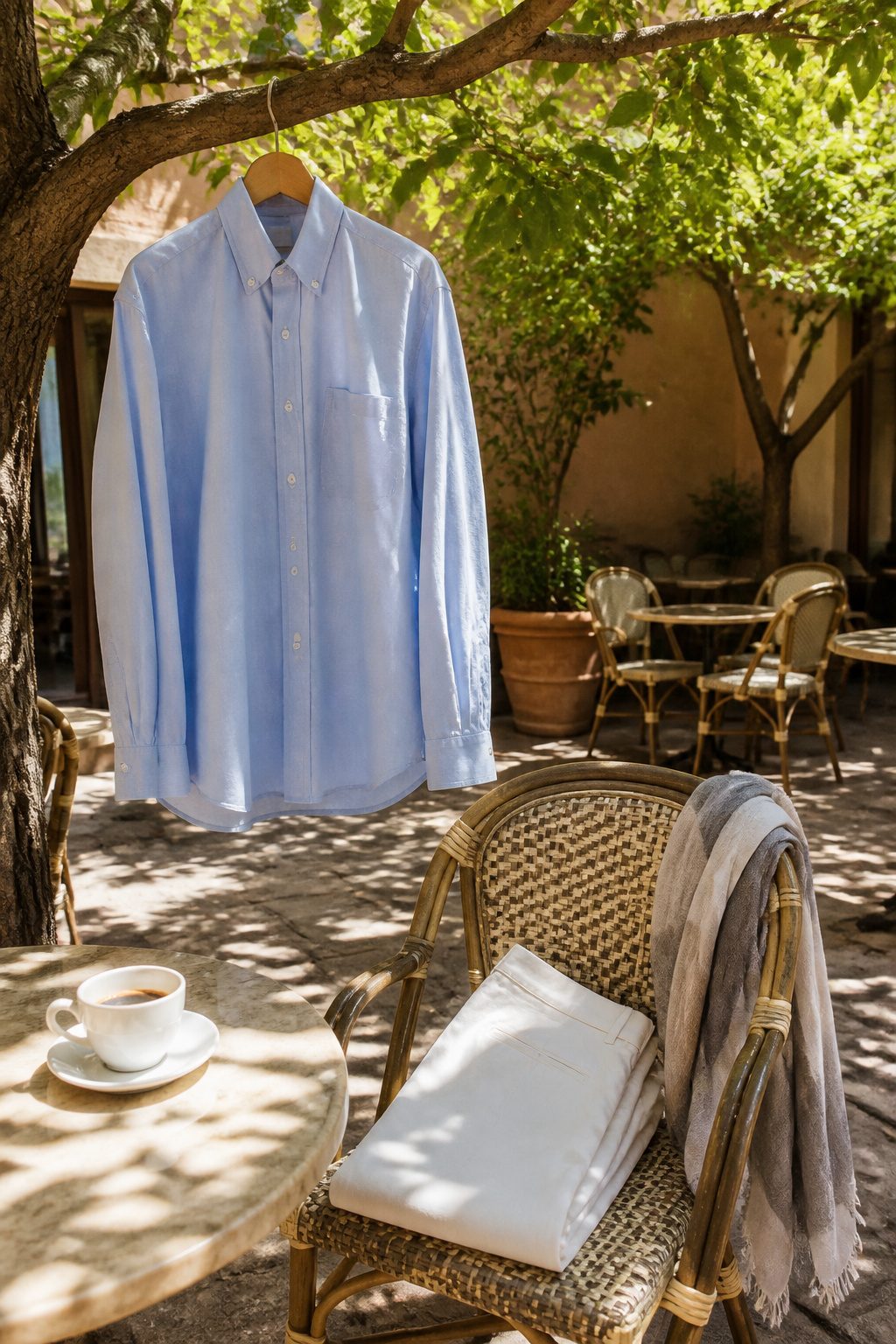
A button-up shirt in Oxford cloth or cotton poplin covers more ground than almost anything else in a casual dress code.
The fabric matters more than the cut: Oxford cloth reads softer and more relaxed, while poplin holds a crisper line when you need to nudge toward smart casual.
Tucking is the decision that sets the tone. A full tuck with a belt pulls the shirt toward office-appropriate territory; leaving it untucked with the hem hitting mid-hip keeps it firmly casual.
The half-tuck, with one side in and one side out, works if the shirt tail is straight and not too long, but it reads as deliberate only when the rest of the outfit is simple.
Collars and sleeves shift the register too.
A standard point collar in a solid color moves easily between contexts. Spread collars need more intention; they look slightly dressier and can feel out of place with raw denim.
Short sleeves keep the shirt in casual territory, though a rolled long sleeve often looks more finished. I skip button-down collars for smart casual; the extra hardware reads preppy in a way that limits pairing options.
Blazers
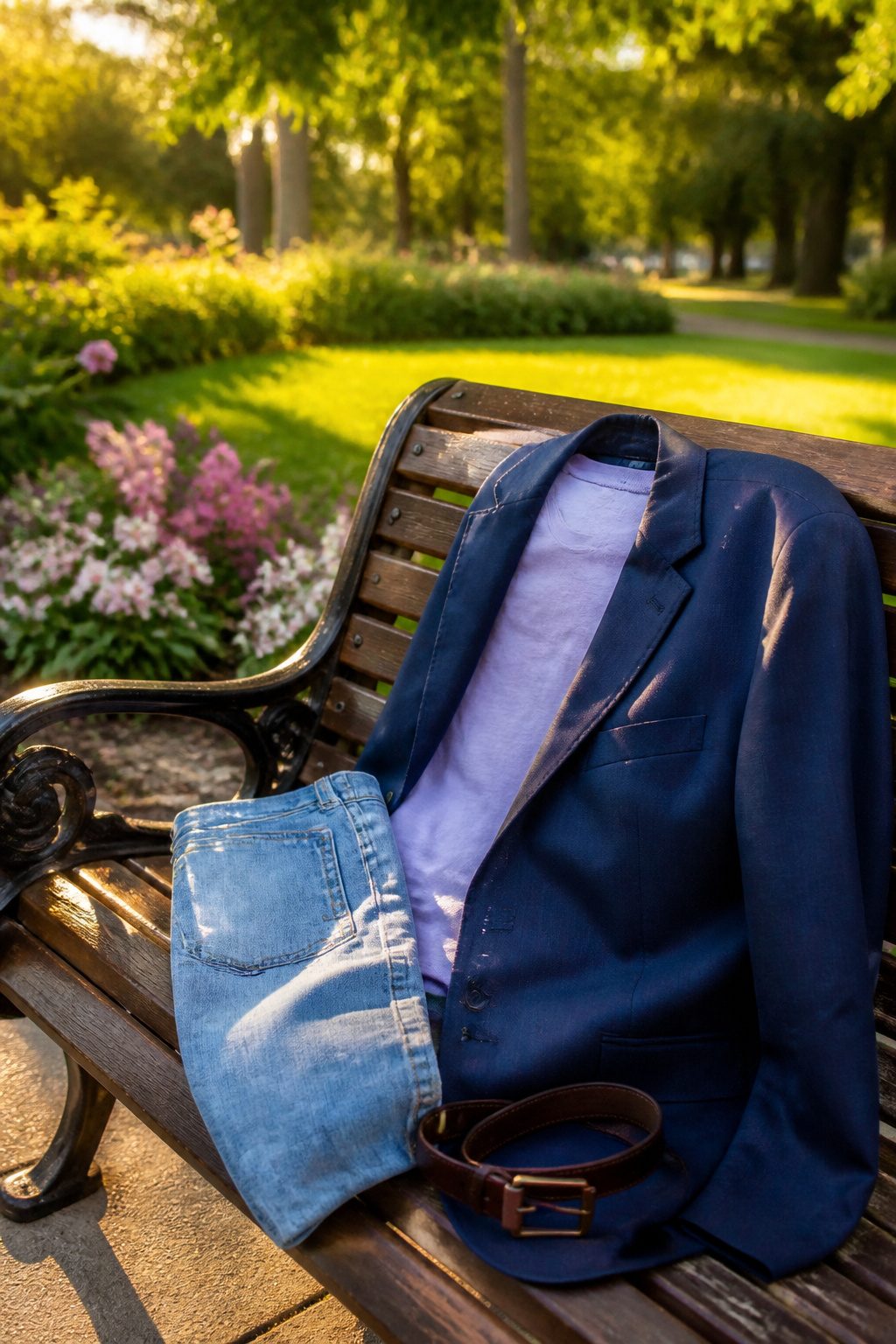
A blazer turns jeans and a tee into something that passes for dinner out, but the cut matters more than the color.
Unstructured jackets drape without inner folds, so they move with you and read relaxed rather than boardroom. Structured blazers cost more because the tailoring takes real skill, and they hold a shape that can feel stiff over a thin knit.
Navy outperforms black here. Light-wash denim works for smart casual, and a blazer bridges seasons without looking like you’re headed to a funeral.
For year-round wear, a cotton-linen blend breathes in summer and layers over a thin sweater when the temperature drops; heavier wool crepe works if you own one blazer total and need it to carry October through March.
With jeans, I keep the blazer slightly shorter than my hip bone so the proportions stay intentional.
With trousers, an unstructured cut in the same tone as the pant, or a shade deeper, lengthens the line without trying for a suit effect.
The risk with structured tailoring and casual bottoms is costume, and the fix is usually fabric: matte, textured, nothing that catches light like office wool.
Denim Jackets
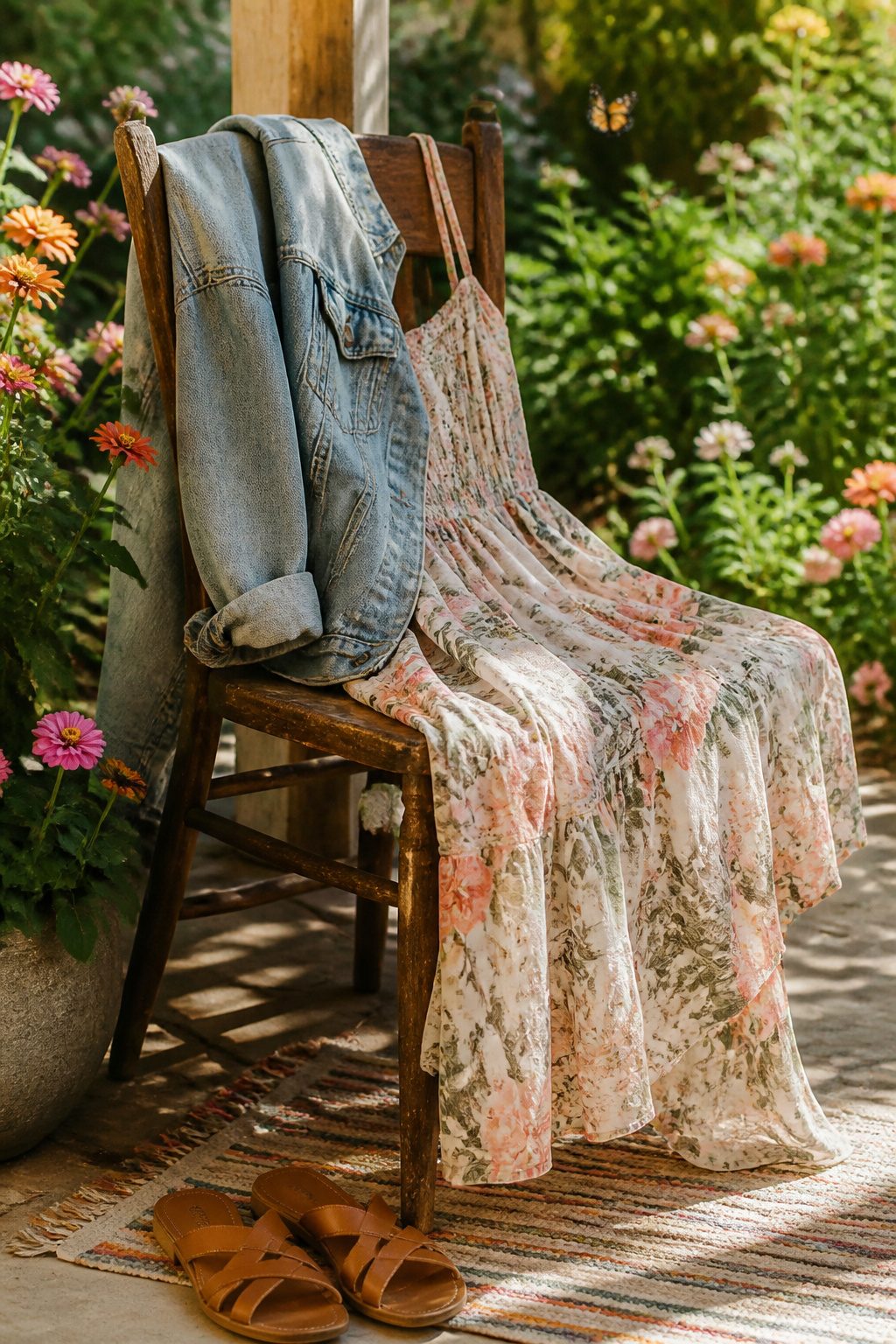
A denim jacket adds casual appeal in a way almost no other layer does. The weight matters more than most people think: too heavy and it reads as outerwear, too light and it collapses against whatever sits beneath it.
I look for a mid-weight denim that holds its own shape through a workday without feeling like a chore to carry indoors.
Wash choice steers the tone. A lighter wash, or one with slight distressing, pushes the look further toward relaxed than a dark rinse ever could.
That lighter surface pairs cleanly with the softness of a dress, creating the kind of balance that works for a relaxed afternoon without looking like you gave up on the idea of getting dressed.
For women who want one piece that spans multiple outfits, this is where a denim jacket earns its place.
It functions as the casual alternative to a blazer: same structure across the shoulders, same ability to pull a look together, but without the formality that can feel out of step at a daytime brunch or an informal tea.
Layer it over a midi skirt and sneakers, or let it sit against a simple top, and the jacket adapts the outfit rather than defining it.
The practical gain is temperature, especially for cooler evenings, but the real value is versatility.
Oversized Sweaters
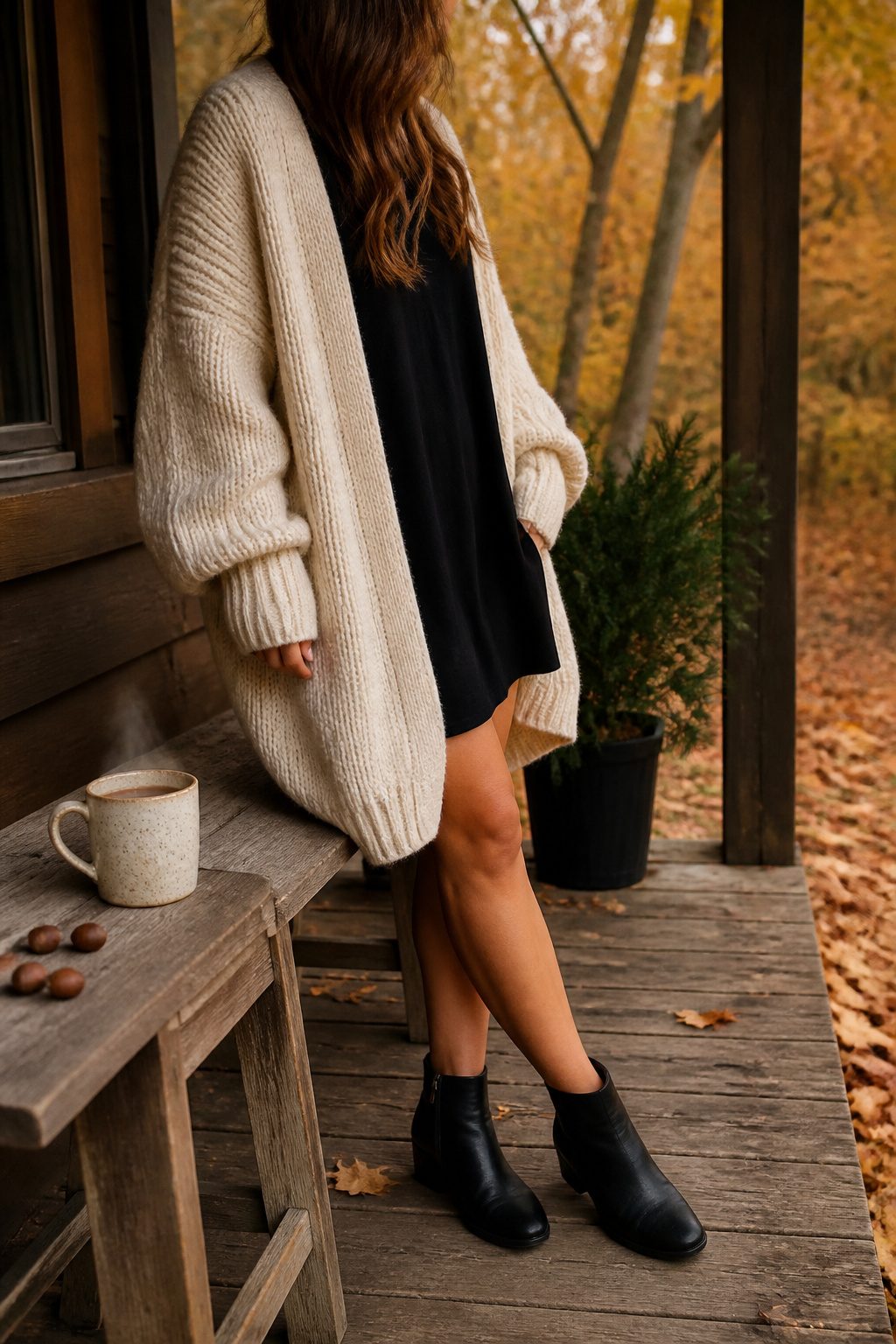
An oversized sweater layered over a dress creates a cozy look that works for cooler days or laid-back evenings, instantly giving that dress a fresh purpose as a comfortable bottom layer.
The texture matters here: a soft knit or a color that complements what sits underneath lets the sweater stand out as the statement piece.
Proportion is where this styling trick lives or dies. Volume on top needs balance, so fitted bottoms like slim jeans or a narrow skirt keep the silhouette from collapsing into shapelessness.
A belt around the waist can define the line even through the knit, shaping the silhouette and adding polish to what might otherwise read as too relaxed.
Not all oversized sweaters hold their structure. Thicker wool or cotton blends tend to keep their shape through the day, while finer cashmere or loose-gauge knits will slump and stretch where they rest against the body.
I reach for the heavier constructions when I want the look to stay intentional, and save the softer, more collapsible pieces for evenings where I’m not leaving the couch.
Midi Dresses and Casual Sundresses
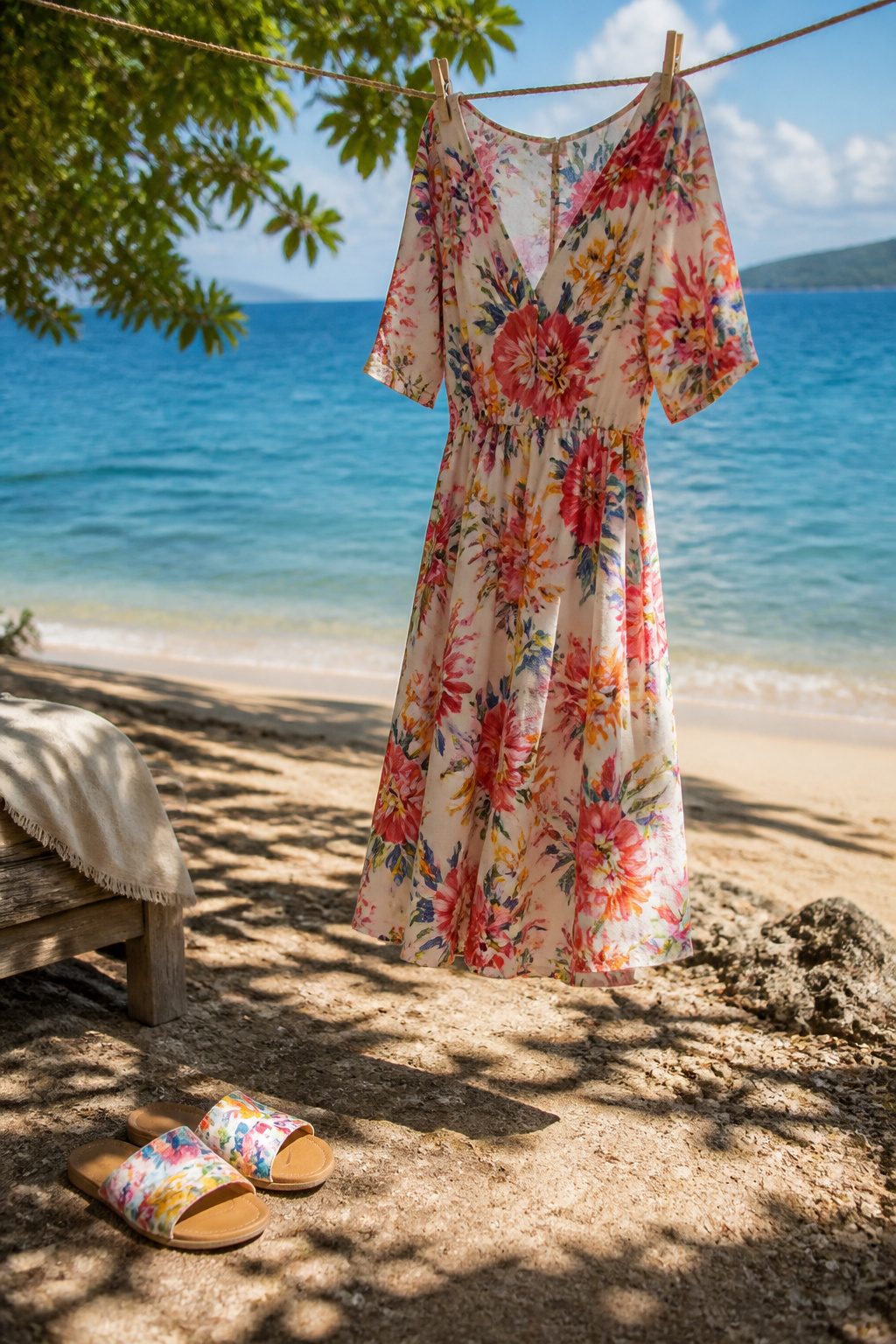
Midi dresses work for casual dress code events because the length itself does the styling work. The hem falls somewhere between the knee and ankle, which reads as intentional without trying too hard.
Fabric weight matters more than most people realize: a heavier cotton or linen blend holds its shape through a brunch that runs long, while something too light can look like you forgot the event had a dress code at all.
Sundresses follow the same logic but lean more coastal.
Flat sandals or low wedges keep the vibe relaxed for daytime, and the key move is matching your footwear color to a tone already in the dress. That single choice makes the whole outfit look considered rather than thrown on.
The real versatility shows up in the transition.
Take the same midi or sundress from afternoon to evening by swapping sandals for a slightly dressier shoe and adding a layer: a denim jacket works for cooler nights, though the weight of that jacket should roughly match the dress fabric so one piece doesn’t overpower the other.
The dress stays central; the accessories shift the context around it.
Scarves and Belts
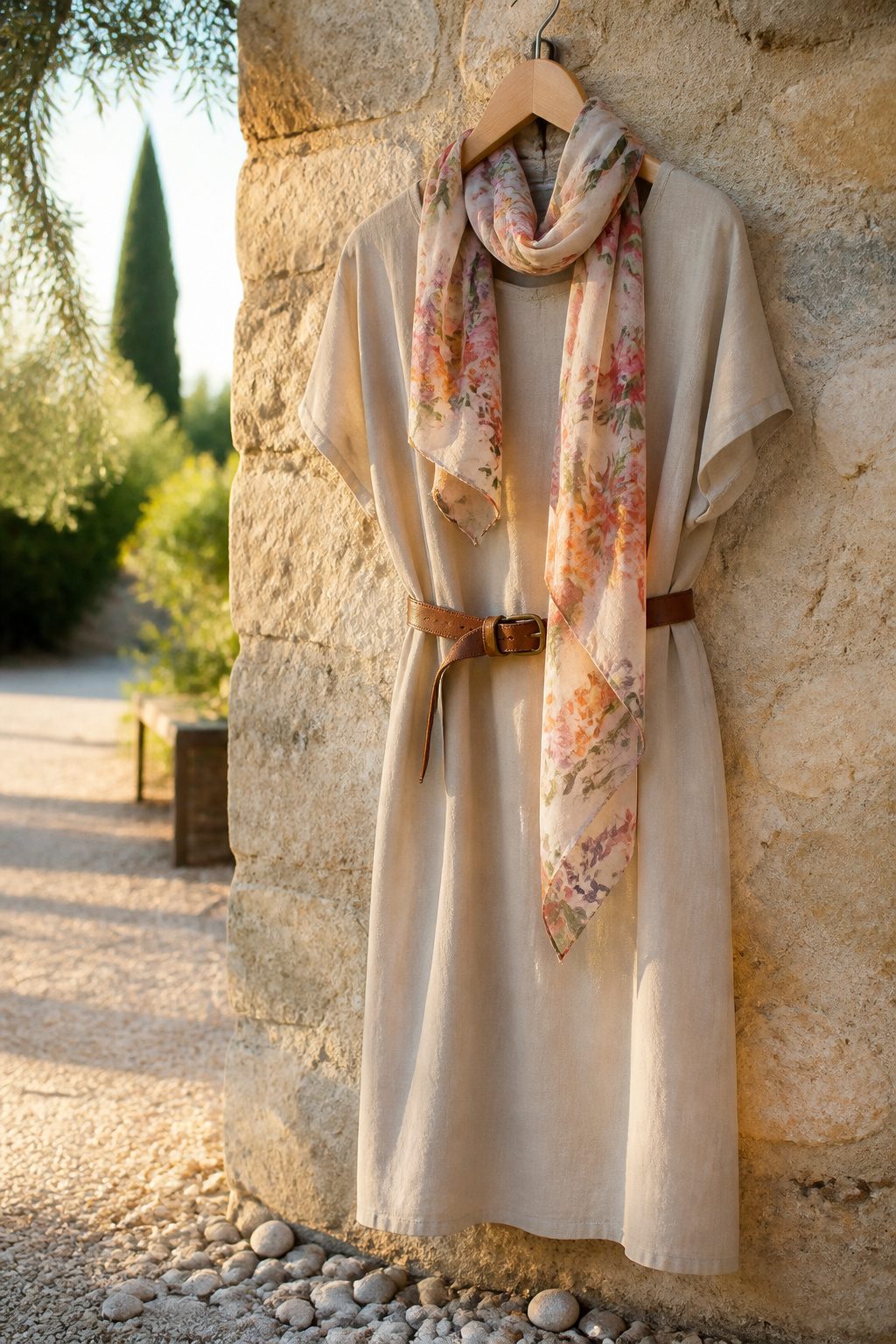
A lightweight scarf can pull a casual dress together without adding bulk, especially in silk or a fine cotton gauze that drapes close to the body rather than standing away from it.
Go for length over width: a longer, narrower rectangle gives you the loop or loose drape that reads as intentional, not afterthought.
A belt at the natural waistline reshapes even a relaxed shift dress into something that follows your actual silhouette.
Leather or a woven textile adds texture, but keep the hardware flat and the width under two inches if you are petite or short-waisted; a wider band will visually shorten the torso.
For longer torsos or straighter shapes, a slightly thicker belt in a contrasting color creates the curve the dress itself does not.
The same principle applies knotted through belt loops or over a cardigan: the material should add interest, not padding, so avoid heavily padded or studded styles that turn the waist into a bulky focal point.
What Smart Casual Actually Means
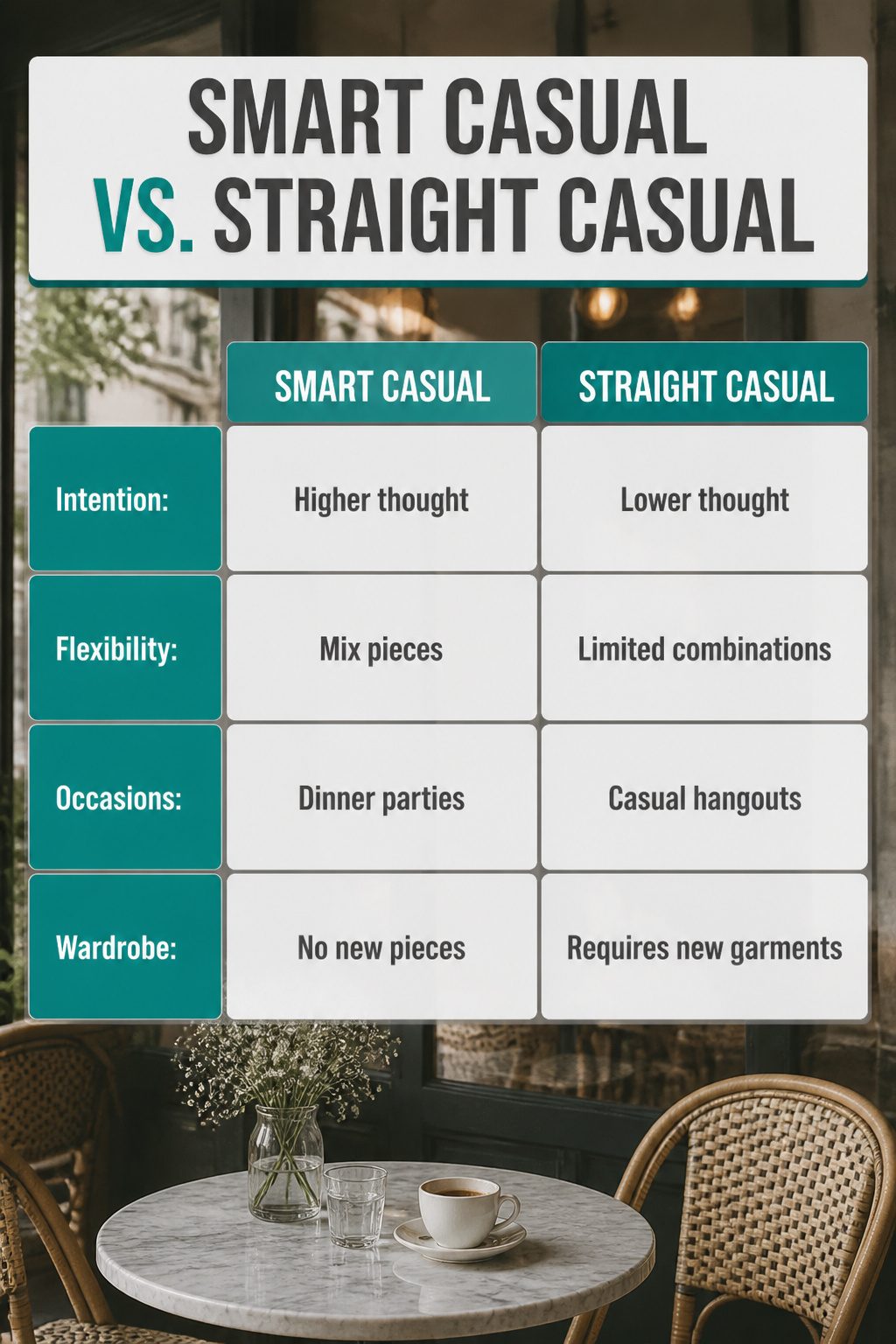
Smart casual sits in the middle of the dress-code ladder, one notch above business casual and one below dressy casual.
Where business casual locks you into dress pants and pencil skirts, smart casual lets you pair those same structured pieces with dark-wash jeans, plain t-shirts, or even streetwear touches.
A silk slip skirt with a polo shirt, chinos with a bright sweater, a crisp button-down with light-wash denim and a statement belt: this is what the flexibility looks like in practice.
What separates smart casual from straight casual is intention. A dinner party that asks for smart casual is saying jeans and a t-shirt will not do, but a tuxedo would be absurd.
A first interview with "casual" in the email still demands you look like you considered the impression. The code is permission to mix formality levels, not permission to drop polish.
A linen button-up only works if the rest of the outfit holds up its end; a trench coat over a dress reads smart casual because the coat does the structuring.
The practical result is that smart casual rarely requires new pieces.
It asks you to recombine what you own across categories you might normally keep apart: tailored coats with practical footwear, barrel-leg jeans with rollneck sweaters, studded belts with midi skirts. The outfit signals thought rather than expense.
When Casual Dress Code Applies
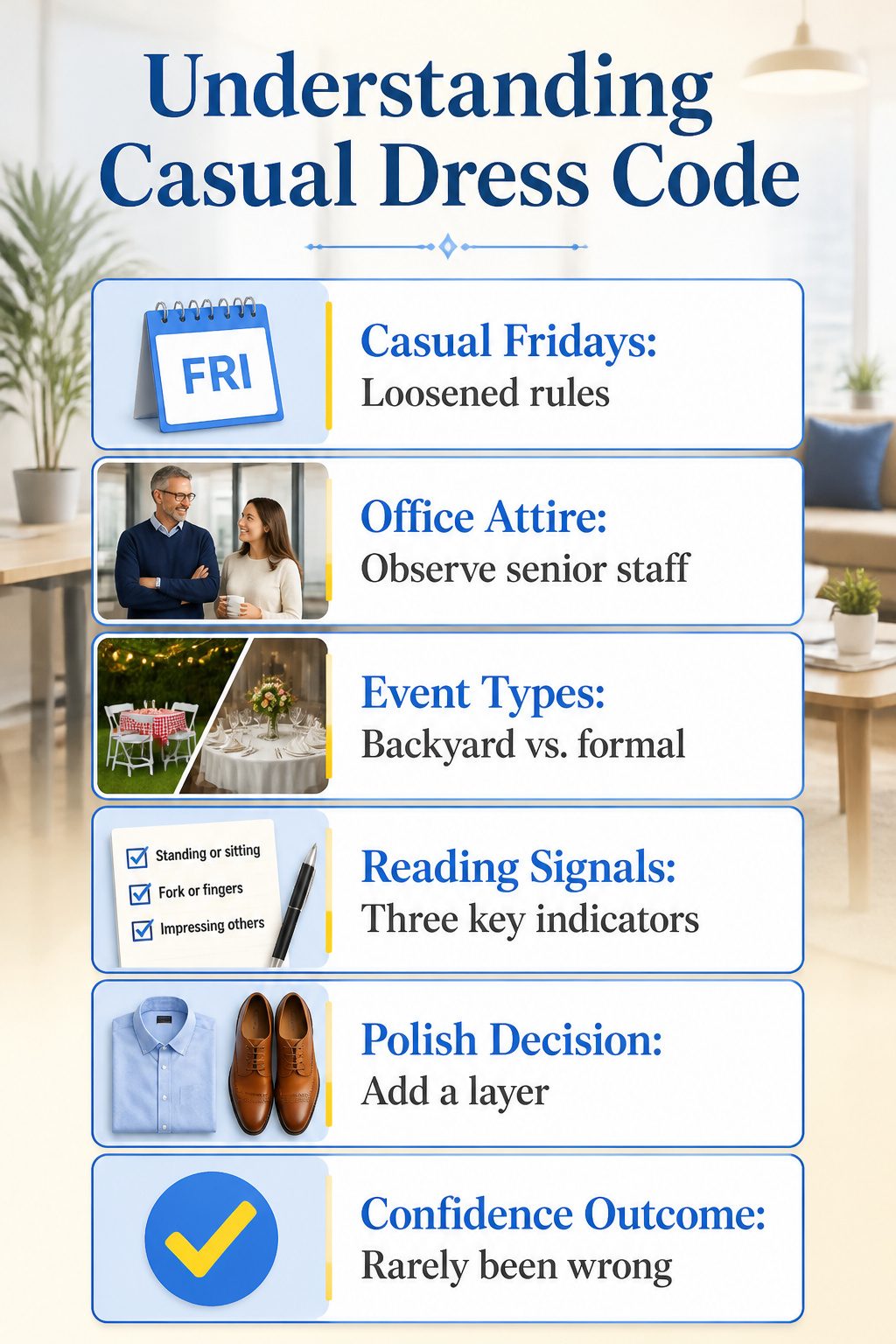
Most workplaces that still observe dress codes mark Fridays as the day the rules loosen, though the degree varies wildly from one office to another.
I have seen teams where dark jeans and a clean sweater pass without comment, and others where khakis remain the floor; the safest move is to note what the senior people actually wear on Thursday afternoon and subtract one level of formality at most.
Informal gatherings trip people up more often than they should. A backyard birthday or a casual dinner out still has a host who made choices about the setting, and those choices telegraph the expected effort.
Concrete underfoot, paper plates, and a start time after 6 p.m. usually mean you can leave the structured jacket at home; a midday event in a rented space with a caterer, even if the invitation says casual, probably does not.
The vague invitation is where reading the room becomes the skill that matters.
I tend to look for three signals: whether there will be standing or sitting, whether food requires a fork or fingers, and whether anyone there is trying to impress someone else.
When two of those three point toward more polish, I add a layer, usually a better shoe or a sharper top, and I have rarely been wrong.
Styling for Your Body Shape
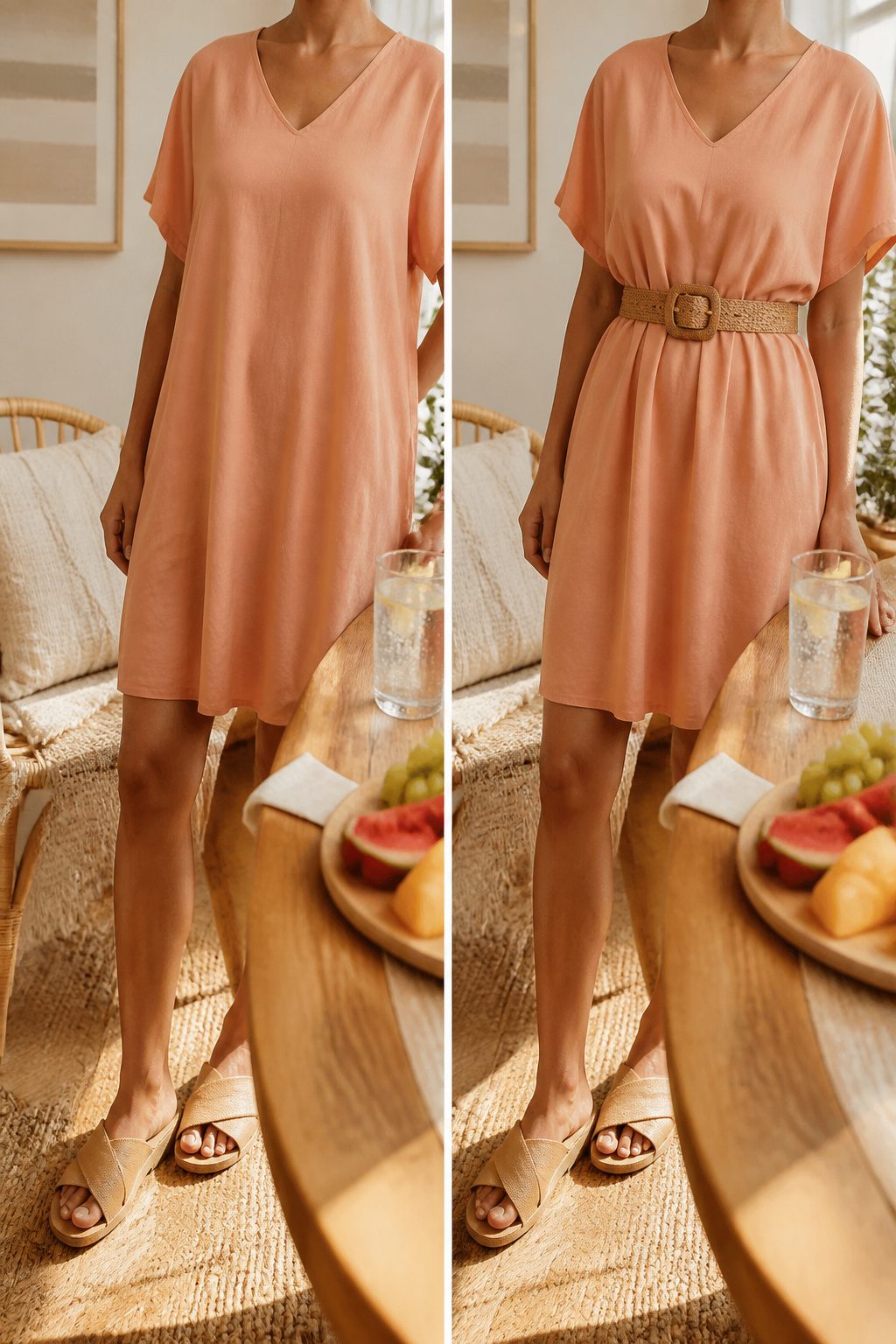
A belt around the waist turns a loose casual dress into something that actually follows your shape instead of hiding it.
A medium-width belt in a contrasting texture does the most work here: it breaks up the eye line and builds a defined waist where the dress itself offers none.
For pear shapes, this means cinching an A-line or slightly flared hem to balance narrower shoulders against wider hips.
Apple shapes gain structure from the same move, since the belt sits at the natural waist and lets the fabric fall away from the midsection rather than clinging.
Layering follows the same logic. A short, structured jacket or cardigan that hits right at the belt line keeps that definition intact; anything longer and the eye loses the waist you just built.
Rectangle shapes need this most, since the belt creates curves the body doesn’t supply on its own. Hourglass figures can wear the belt lower on the hips for a 1970s line, or keep it classic at the narrowest point.
Footwear grounds the whole equation. A loafer reads more relaxed than a brogue because more foot shows, and brown pairs with more casual dress colors than black without going too dark.
The loafer wins for daytime errands; the brogue steps up slightly for a casual office that still wants some polish.
Wedge heels, if they come back in rotation, add height without the instability of a pump for walking to lunch or between meetings.
How Accessories Finish the Outfit
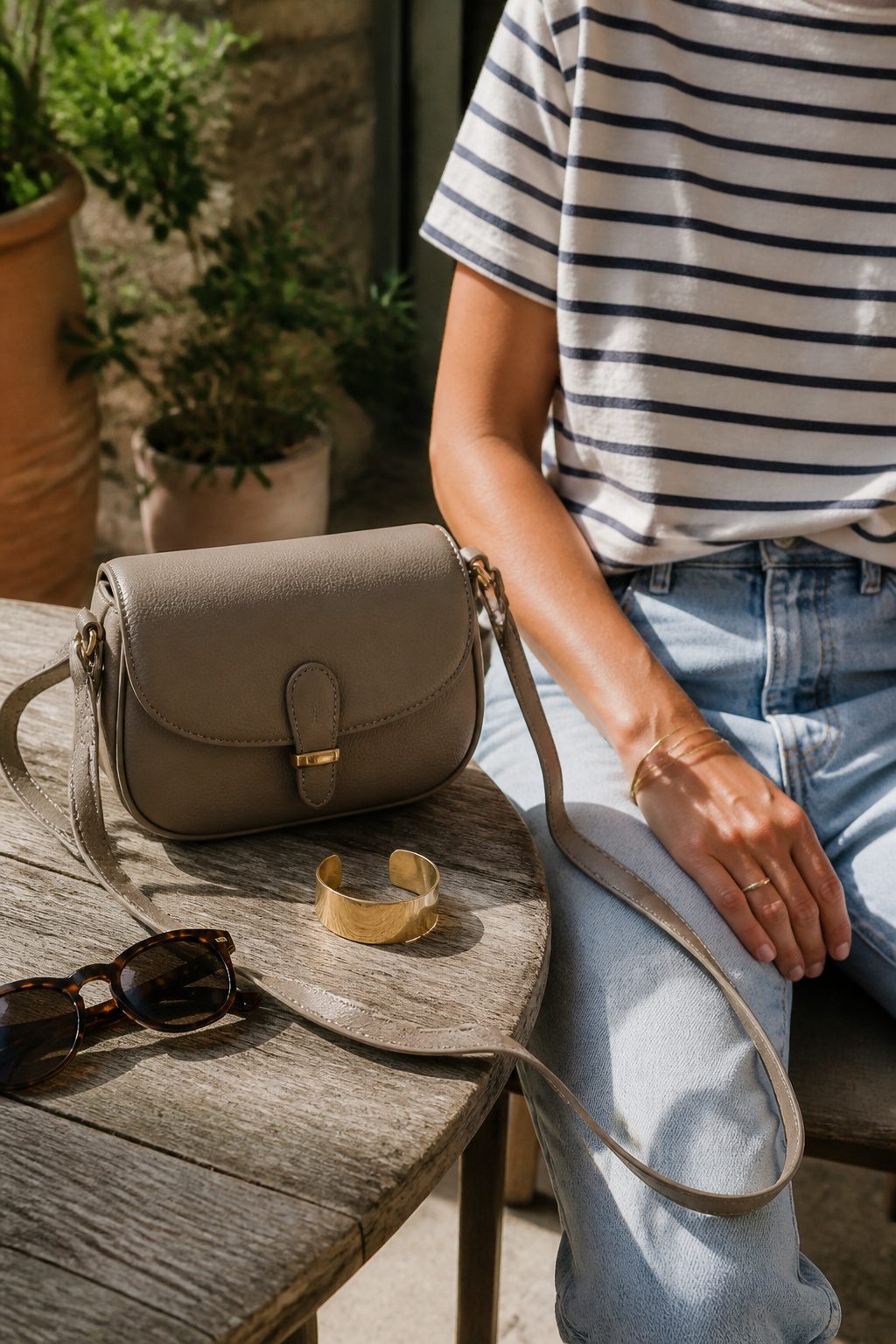
A bag with structure signals that you chose the outfit rather than grabbed it.
A soft leather crossbody or a clean-lined tote in a color that actually relates to your shoes reads as intentional; the same jeans and tee with a crumpled canvas sack reads as accidental.
The distinction matters because dress code casual is where the line lives.
Jewelry works the same way. One substantial piece, a cuff or a pair of simple hoops, does more than three delicate items that tangle on their own chains.
I wear gold almost exclusively, and the warmth matters more than the karat count; silver against a washed olive or camel can look cold and unfinished.
Eyewear is the detail people register first and name last.
Sunglasses with a defined shape, not oversized trend pieces, pull a casual look toward the put-together side. The cost per wear on a single good pair in acetate beats rotating three flimsy frames that warp by June.
A classic tortoiseshell wayfarer or a clean cat-eye in brown tones works with virtually every casual uniform, and the frames do not compete with the softness of a knit or the ease of flat sandals.
More options mean more decisions to make.
Limit yourself to one category of statement per outfit: bag, jewelry, or eyewear. Two reads styled, three reads dressed for an event you are not attending.
Frequently Asked Questions
What is smart casual?
Smart casual sits one notch above business casual and one below dressy casual on the dress-code ladder.
It gives you permission to mix formality levels, pairing structured pieces like dress pants or silk skirts with dark-wash jeans, plain t-shirts, or even streetwear touches. The code is not permission to drop polish; it signals thought rather than expense.
When should I wear smart casual attire?
Wear smart casual to events where jeans and a t-shirt would be frowned upon but a tuxedo would be absurd, such as dinner parties, first interviews that specify casual, or dress-down Fridays.
For business functions like conferences or after-work dinners, lean toward formal smart casual with sharper pieces. For relaxed friend gatherings, informal smart casual with lighter washes and softer layers works.
What should I wear for a casual event?
Choose comfortable pieces that still look intentional: light-wash jeans with a structured top, flat footwear like sneakers or sandals, and a button-up shirt or crisp tee.
Add one structured accessory, such as a clean-lined bag or defined sunglasses, to signal you chose the outfit rather than grabbed it.
Can I wear jeans for a casual dress code?
Yes, jeans are appropriate, especially in lighter washes that read as the most relaxed option under a dress code casual guideline.
Pale wash with slight distressing telegraphs weekend energy; pair it with a structured top and statement belt if you need to pull it back toward polished. Darker washes shift toward business casual territory.
What footwear is best for casual outfits?
Sneakers, flat shoes, and sandals are the best choices. A cool pair of sneakers like Converse Chuck Taylor All Stars at $45 makes a casual look read as intentional rather than sloppy.
Flat footwear wins over heels because heels skew the look toward dressy territory. Flat sandals work for warm weather, and ankle boots handle transitional mornings and cooler evenings.
What is dressy casual attire?
Dressy casual sits one step above smart casual on the formality ladder.
Where smart casual lets you mix jeans with structured pieces, dressy casual asks for slightly more polish, such as replacing denim with trousers or adding a blazer over a dress.
What are the four types of dress codes?
Casual allows jeans and sneakers; smart casual mixes those with structured pieces; business casual locks you into dress pants and pencil skirts; dressy casual demands more polish than smart casual without reaching semi-formal territory.
What is not acceptable for business casual?
Where smart casual welcomes light-wash jeans and streetwear touches, business casual does not. The structured blazer and crisp poplin shirt that work for smart casual become requirements rather than options.
What is semi-formal attire?
The ladder runs: casual, smart casual, business casual, dressy casual, then semi-formal.